Get Full Government Meeting Transcripts, Videos, & Alerts Forever!
Defense argues accomplice mens rea was misdefined for Saite; State says evidence supports intent
Summary
In State v. Saite, defense counsel argued that accomplice liability requires a distinct secondary mens rea (knowing the result would occur) and that the instruction failed to define that standard or recklessness properly; the State replied that the record (DNA, video, texts) supports intentional or knowing conduct and that any instructional ambiguity did not cause prejudice.
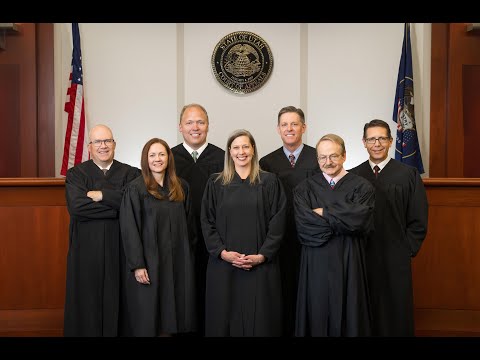
Dane Smollen, counsel for the defendant in State v. Saite, told the Utah Court of Appeals that the accomplice-liability instruction given at trial failed to define the required secondary mental state: what an accomplice must have known or intended would result from their actions. "For my client, accomplice liability was really the operative instruction," Smollen said, arguing the instruction should have explained that an accomplice must have known or intended…
Already have an account? Log in
Subscribe to keep reading
Unlock the rest of this article — and every article on Citizen Portal.
- Unlimited articles
- AI-powered breakdowns of topics, speakers, decisions, and budgets
- Instant alerts when your location has a new meeting
- Follow topics and more locations
- 1,000 AI Insights / month, plus AI Chat