Get Full Government Meeting Transcripts, Videos, & Alerts Forever!
Get email alerts on the Mechanics Lien topic
No spam. Unsubscribe anytime.
Appeals court hears dispute over when construction work "commenced" and whether lien statements were false
Summary
In oral argument in Latu Investments v. Granio, attorneys disputed whether the district court plainly erred in finding lien claim deadlines met and whether statements that contracts were "signed" were materially false; the panel pressed counsel on standards for review, the meaning of "commence," and whether text messages could create a contract.
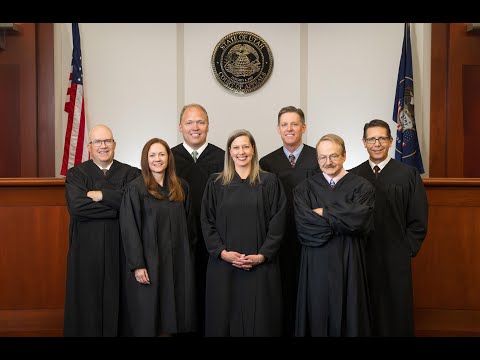
A three-judge panel of the Utah Court of Appeals heard oral argument in Latu Investments v. Granio (No. 20240537), a dispute arising from a mechanics lien and the district court’s finding that the lien contained false statements. Attorney Steven Florence, representing appellant Oscar Grenier, told the court his client raised two errors: (1) the trial court failed to apply the correct test for when work “commenced” under Utah’s construction-lien statute, and (2) the court erred by concluding no contract existed between the parties.
The argument centered early on whether the panel could evaluate the first claim under plain-error review. Florence acknowledged he had presented the issue as a plain-error claim and cited Cove at Little Valley Homeowners Association, 2022 Utah 23, which acknowledges limited civil applications of plain error. Judges pressed Florence to explain why plain error should apply here and whether any error would be “obvious,” a necessary element of the doctrine.
Florence said Utah precedent favors construing “commence” for the benefit of lien claimants and argued the question often requires fact-finding about what a reasonably diligent observer could detect. He pointed to a trespass injunction in the record and suggested the district court could have needed a factual finding on whether the property was open to observation. Scarlett Smith, counsel for Block 2 Investments, countered that Pentelon and related cases involved different statutory provisions and fact patterns (priority disputes among lienholders) and urged deference to the trial court’s factual findings that the record lacked proof of a signed contract.
The panel then focused on the second issue: the district court’s finding that language in the lien stating certain contracts were “signed” on specific dates was false and whether that misstatement was material for statutory damages. Counsel debated whether text messages or electronic communications could constitute a binding agreement or an “electronic signature,” and whether the appellant’s failure to produce the full set of alleged text messages undermined his claim. Smith argued the district court found no proof of the contracts the claimant asserted existed and viewed the “signed” language as a material misstatement, made under penalty of perjury in the lien document.
Judges clarified consequences: ruling issue one for the appellant could remove the lien as untimely, but statutory damages (the panel discussed a $20,000 figure) may still require resolving whether the lien contained a material misstatement. Both sides acknowledged that, depending on the panel’s ruling, the remedies sought could diverge—liability for a wrongful lien versus statutory penalties tied to material misstatements.
The court took the matter under advisement and said it will issue a written decision rather than rule from the bench. The court called the next case on the calendar before adjourning the first argument.