Get Full Government Meeting Transcripts, Videos, & Alerts Forever!
Get email alerts on the Park Operations topic
No spam. Unsubscribe anytime.
Park operations managers outline maintenance priorities, playground plans and workload model
Summary
Grounds and structural managers described how Bellevue maintains 800 acres of developed parkland across about 78 in‑house sites, divides work between in‑house and contracted crews, and uses workload planning and multi‑year capital schedules to prioritize playground and infrastructure projects.
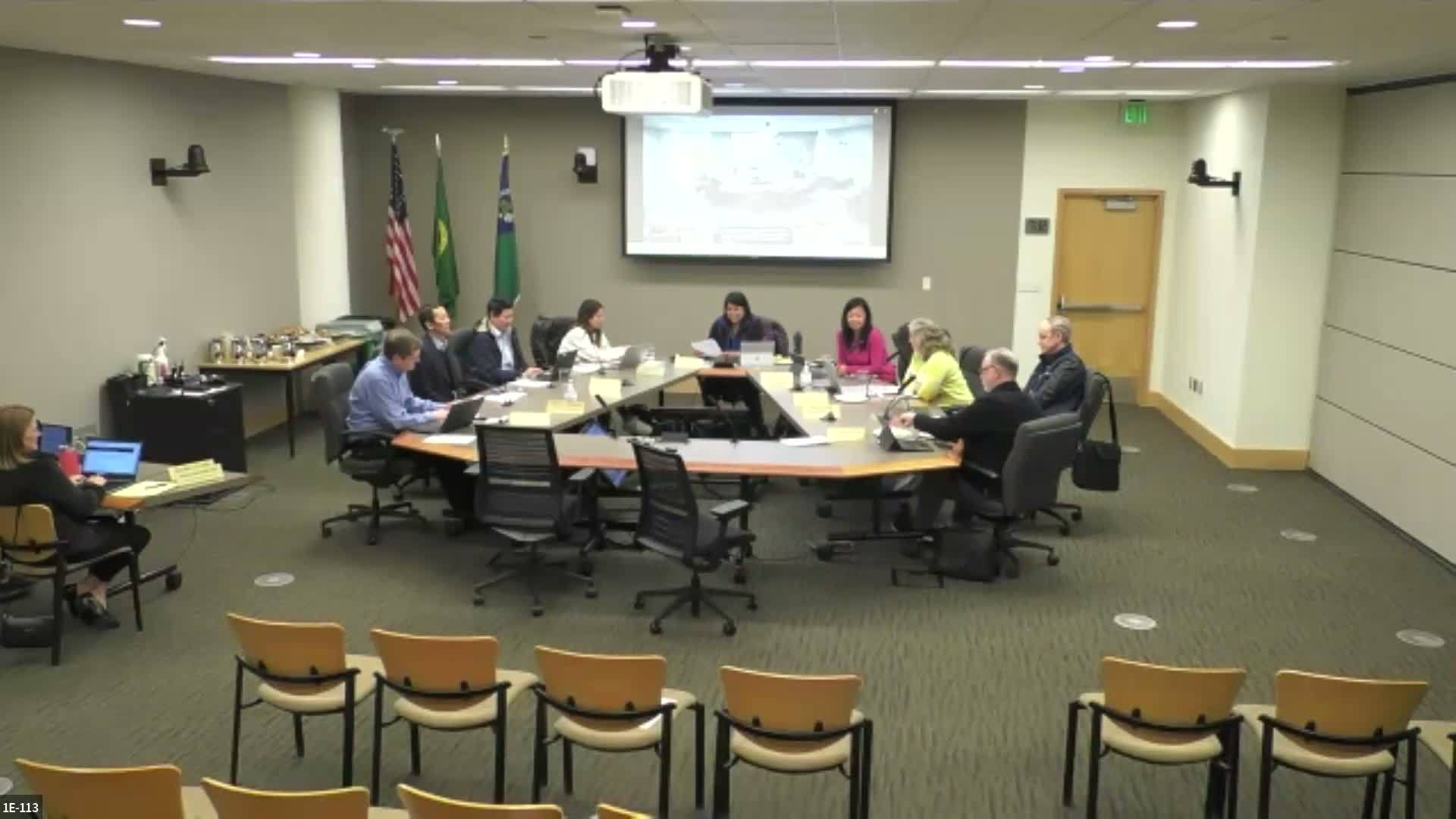
Tom Purcell (structural operations manager) and Justin Wilkinson (grounds operations manager) told the Parks and Community Services Board that Bellevue maintains roughly 800 acres of developed parkland across about 78 developed park sites and uses a mix of in‑house staff and contracted crews to keep parks safe and accessible.
The managers described the two-part maintenance model: in-house teams focus on large, specialized community parks, athletic fields and high-touch public-facing sites (with specialized equipment), while contracted crews handle neighborhood parks and other lower-touch sites. "There's a kind of a direct link, in people serving their time by helping, you know, serve the community through improvements in the park system," the director said when explaining the link between probation work crews and parks operations.
Workload planning and capital programs: Purcell and Wilkinson explained that the department maintains a site-by-site workload plan that tallies task hours, equipment needs and replacement schedules. The department uses a seven-year renovation plan and a 20-year asset-replacement schedule to prioritize capital work. Playground replacement cycles were described as typically eight to 12 years, with two or three playground projects undertaken annually.
Energy and infrastructure upgrades: Managers highlighted recent LED retrofits at indoor courts, parking lots and the Bellevue Youth Theatre and noted ongoing underground infrastructure projects such as drainage improvements at Lake Hills Field 2 and irrigation upgrades with water‑saving technologies.
Accessibility and testing surfacing options: The team described ADA-focused work at playgrounds (transition platforms, communication boards and engineered wood fiber surfacing) and said they are testing alternative surfacing at Chandler Park to improve accessibility and reduce long-term cost. They emphasized the trade-offs between engineered wood fiber (lower upfront cost) and more expensive poured-in-place or rubber surfacing (lower maintenance but higher capital cost).
Common trouble spots and public interaction: Managers said vandalism, isolated restrooms and certain parks near particular facilities can be recurring trouble spots (Goddard Park and Highland Park were mentioned). They also described a near-zero tolerance approach to graffiti and rapid response (often within one to two days) for repairs that impact use.
Next steps and follow-ups: Board members asked for more detail on the budget split between in-house and contracted maintenance and for a list of playground replacements slated for the near term; staff said they would provide that information in follow-up materials. The board also scheduled a joint retreat with the Human Services Commission for April 21 to review the city’s Diversity Advantage Plan 2035.