Get Full Government Meeting Transcripts, Videos, & Alerts Forever!
Get email alerts on the Executive Session topic
No spam. Unsubscribe anytime.
Plantation City Council moves into private attorney–client sessions to discuss litigation
Summary
At a special meeting the Plantation City Council closed the public portion to hold four private attorney–client sessions under section 286 of the Florida Statutes to discuss strategy and litigation costs in multiple pending cases, including Michael Chung v. City of Plantation; each session was estimated at about 15 minutes.
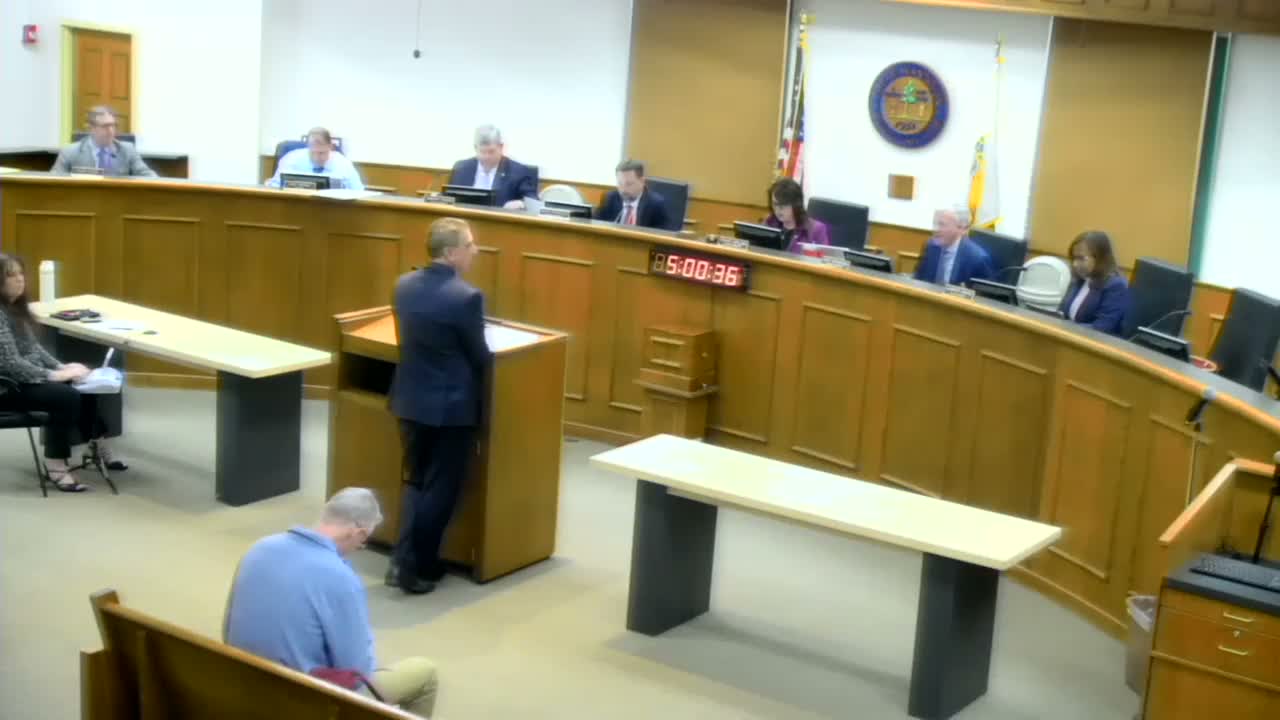
The Plantation City Council closed its public meeting at about 5:01 p.m. Tuesday to hold four separate private attorney–client sessions under section 286 of the Florida Statutes, the presiding officer announced.
Council leaders said the closed sessions were to discuss litigation strategy and litigation costs and expenses related to four distinct cases. The presiding officer said each attorney–client session would run approximately 15 minutes.
The announcement listed the officials expected to attend each private session: the mayor (name appears inconsistently in the transcript as both “Sortel” and “Nick Sordle”), City Council members Eric Anderson, Jennifer Andreu, Tim Fagin, Denise Whirlin and Louis Weinstein; Chief Administrative Officer Jason Nunemaker; special counsel Scott Alexander; City Attorney Carrie L. Israel; and the court reporter. The presiding officer then terminated the public portion of the meeting and noted the time as 05:01.
The presiding officer identified one of the matters to be discussed by name as Michael Chung v. City of Plantation, which the announcement said is pending in the Seventeenth Judicial Circuit in and for Broward County. The transcript contains a garbled case-number fragment and does not provide a clear docket number; the article therefore reports the case number as not specified.
No votes, motions, or policy decisions were recorded in the public portion of the meeting; the council moved directly into closed attorney–client meetings as permitted by state law. Additional public records, minutes or future public action may disclose outcomes or related follow-up when legally permissible.