Get Full Government Meeting Transcripts, Videos, & Alerts Forever!
Get email alerts on the Housing Inspections topic
No spam. Unsubscribe anytime.
City offers administrative relief and code amendment option for condo associations facing 40‑year inspection liens
Summary
After public comment from a condominium association, the city’s CAO offered two paths to ease liens tied to 40‑year inspections: an administrative interpretation allowing one $500 magistrate application for multiple buildings, and a proposed code amendment to expand administrative relief. Staff said a formal amendment could arrive within a month or two.
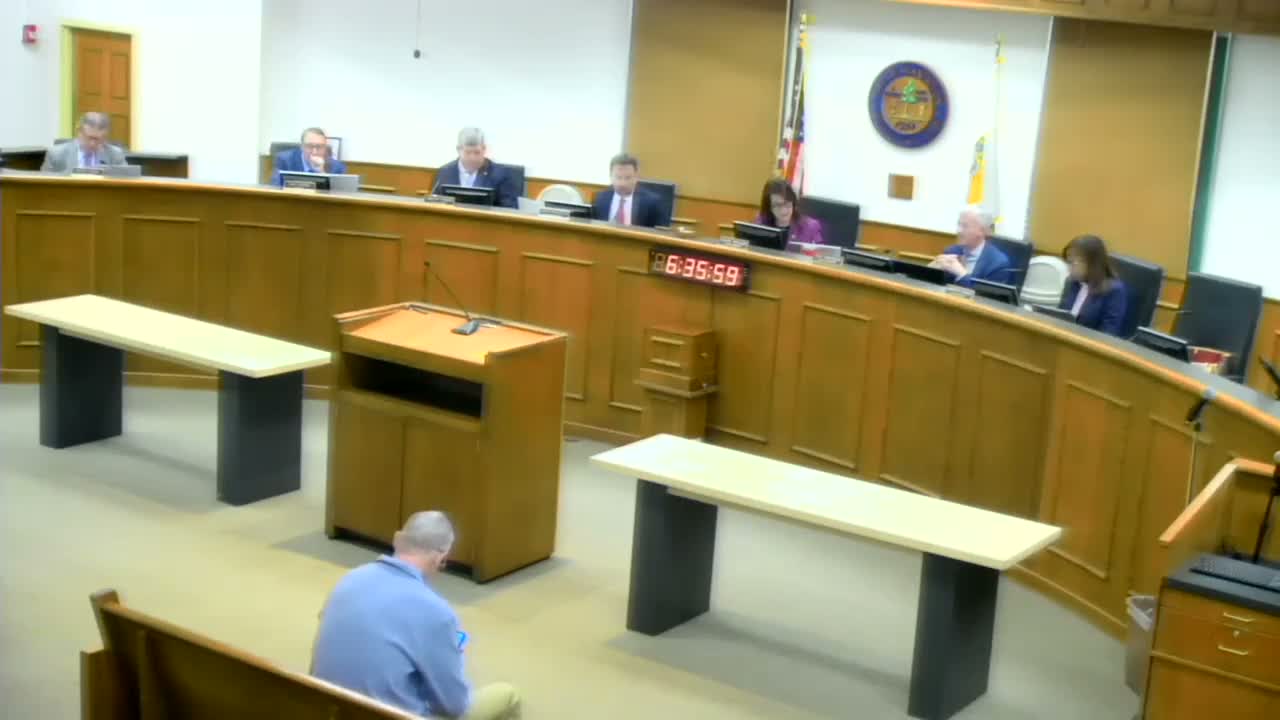
CHAMBERS — Residents from a Plantation condominium association told the City Council on Feb. 25 that they face more than $600,000 in liens related to mandated 40‑year building inspections and asked the city for help.
Matt Macklin, president of the Chatham/Jackaranda Central Park associations, said his community is responsible for $605,249 in lien fees and that the association acted in good faith to comply with inspection rules while encountering contractor and engineering delays. "It hasn't been easy," Macklin said, urging the council to avoid what he called punitive outcomes for residents on fixed incomes.
Jason Nunnemaker, the city’s chief administrative officer, told the council administration had reviewed options with the city attorney and the building department and can offer two immediate pathways. First, staff can administratively accept a single $500 magistrate application on behalf of all 14 legal entities (the 14 buildings) so the matter can go before the magistrate without each building paying separate application fees. Second, staff will prepare a code amendment to increase administrative authority to grant relief up to 100% net of city expenses; Nunnemaker said that amendment could be drafted and brought forward within "a month or two." He emphasized the city’s goal is compliance and recovery of city out‑of‑pocket costs only.
The city attorney noted a legal constraint: magistrate orders that are certified and more than 30 days old are not appealable and become liens in favor of the city, so retroactive stays are limited. That counsel framed the tradeoffs the council faces between immediate administrative relief and pursuing a code change that would give staff broader authority going forward.
Council members asked clarifying questions about whether fines would continue to accrue during the code‑amendment process and whether administrative remedies could be used now to prevent immediate additional penalties. Nunnemaker said staff can accept the single application now and pursue the code amendment concurrently; if the association is patient, the code change could be available before magistrate enforcement escalates further.
Next steps: administration said it will return with a proposed code amendment for council consideration and that staff will coordinate directly with the association to pursue administrative relief in the interim.