Get Full Government Meeting Transcripts, Videos, & Alerts Forever!
Get email alerts on the Governance Litigation topic
No spam. Unsubscribe anytime.
Flathead County commissioners vote to close meeting for attorney-client discussion on two lawsuits
Summary
County counsel asked the commission to move into closed session under the Open Meetings Act to discuss litigation strategy for two matters referenced on the agenda; the commission moved, seconded and voted in favor, then returned from closed session and adjourned.
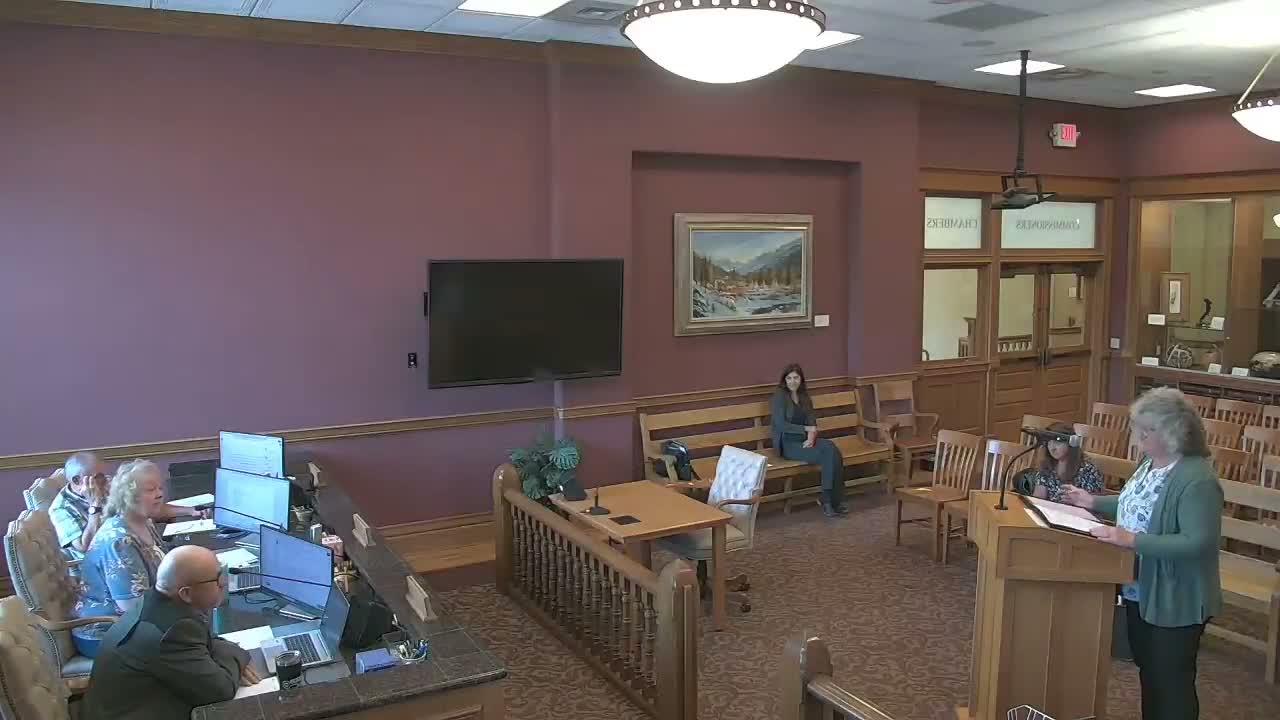
Susan Swimley, an attorney who said she was hired to represent the commission, asked the board to close part of the meeting under the Open Meetings Act to discuss litigation strategy on two items listed on the agenda. Swimley explained that discussing the facts and applicable law in public would be detrimental to Flathead County’s position and asked the board to make the required finding to close the meeting so counsel and the commissioners could “have a robust conversation” about risks, pros and cons.
"Under the open meeting act, you have the statutory right to close a meeting to discuss litigation strategy if having that discussion in public would be detrimental to Flathead County’s position," Swimley told the panel, referencing two matters she named in the record. Counsel said she would keep the minutes of the discussions in her file so those notes would remain attorney-client privileged.
A commissioner moved to close the meeting "in regards to the discussion of Friends of Somerset County and Marvin versus Flathead County"; the chair seconded. The motion was called and the meeting record shows the body responded "Aye" three times and the chair closed the meeting for private attorney-client discussion. The transcript records an inconsistency in the case name: counsel repeatedly referred to "Friends of Summers," while the motion used "Friends of Somerset County." The record does not reconcile that difference.
The board returned to open session at 03:45. The chair announced the closed session had concluded and adjourned the meeting.
Why it matters: The commission used the Open Meetings Act exception to discuss confidential litigation strategy in private. The record shows the legal justification presented by county counsel and a successful motion to close the meeting, but it does not include a public accounting of the matters discussed while the meeting was closed.
What’s next: The transcript records only that the board returned to session and adjourned; it does not record any public decision or further public action tied to the closed-session discussion.