Get Full Government Meeting Transcripts, Videos, & Alerts Forever!
Get email alerts on the Shoreline Protection topic
No spam. Unsubscribe anytime.
Resident warns county that lakeshore topsoil placements risk erosion and questions dam access
Summary
A resident raised concerns during public comment about roughly 150 yards of topsoil placed below a lake's high‑water mark that he said violates local lakeshore protections and could wash into the lake; he also recounted historical disputes over dam access and urged county follow‑up.
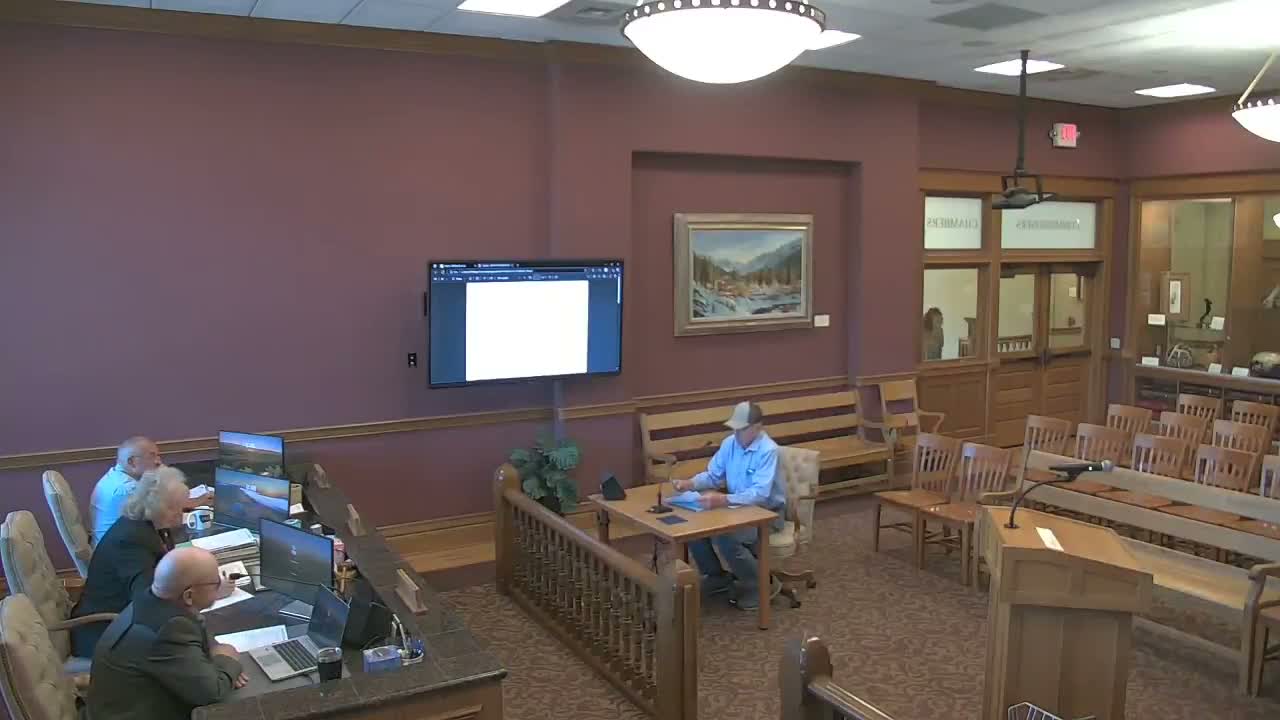
A resident speaking during the public‑comment period told Flathead County commissioners that two homeowners placed what he estimated as 150 yards of topsoil below the lake’s high‑water mark, and he urged the county to review whether that filled material violates lakeshore protection standards.
The speaker said county lakeshore rules allow rock “3 quarter rock or larger” below the high‑water line but not fine topsoil and warned that the topsoil will erode into the lake when the water rises. He said he had contacted the planning office and the compliance officer, who told him the placement was allowed, and he asked what the county could do to make the situation right.
The resident also recounted past disputes over work at the dam, noted that the Bureau of Reclamation had overseen projects in earlier decades, and asked whether the county still has rights to use the dam for road access. He said a prior incident nearly led to a closure of a dam road and that community members had litigated over dam and rock‑placement actions in the past.
Chair asked the speaker to leave contact information with the clerk so staff could follow up. Commissioners said they would look into the compliance and right‑of‑way questions the speaker raised; no formal action was taken during the meeting. The speaker described his prior service as a water commissioner and said his primary concern was preventing soil from entering the lake.
The public‑comment period is a chance for residents to raise concerns for staff follow‑up; commissioners did not make a formal determination in response to the speaker’s allegations at the meeting.