Get Full Government Meeting Transcripts, Videos, & Alerts Forever!
Get email alerts on the Land Use topic
No spam. Unsubscribe anytime.
Council reclassifies existing marijuana retailers as legal nonconforming uses for one year
Summary
In an emergency interim ordinance, Spokane Valley reclassified its three existing marijuana retail stores as legal nonconforming uses and barred relocations for one year while the city updates zoning through its comprehensive-plan periodic update. Staff noted annual local tax distributions of about $180,000–$280,000.
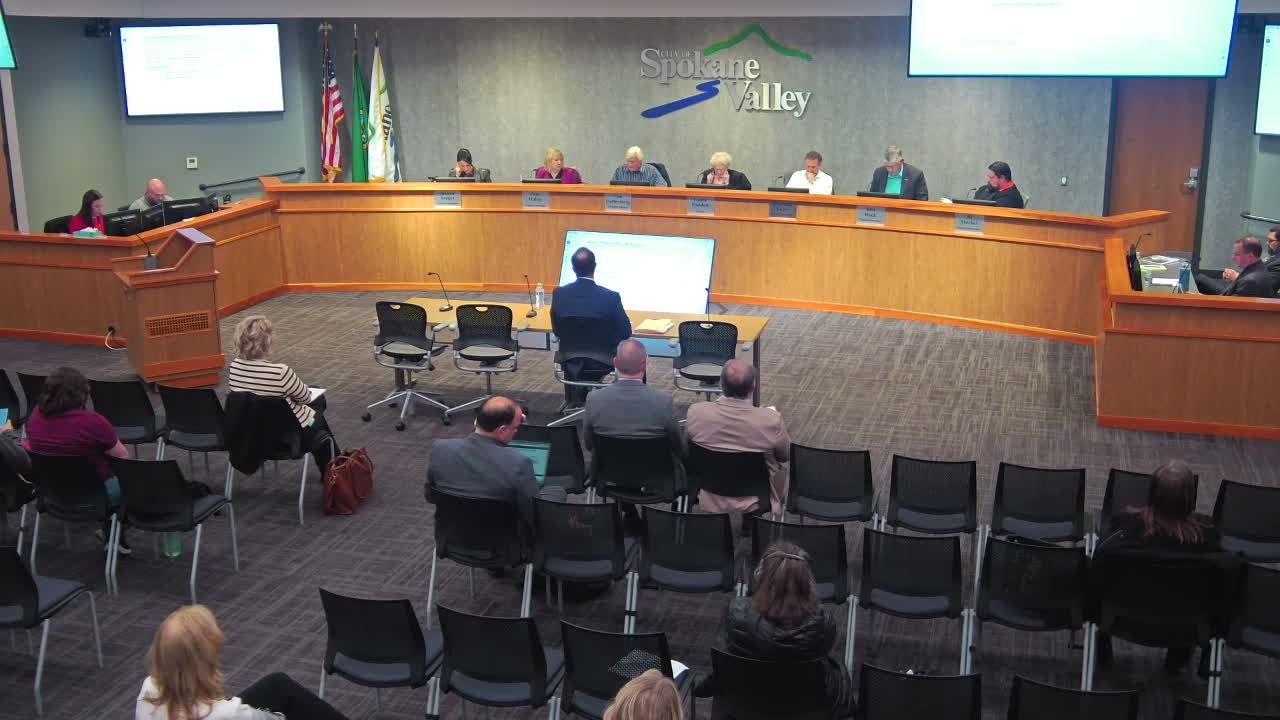
Spokane Valley’s City Council adopted an emergency interim ordinance Feb. 3 that reclassifies the city’s three existing marijuana retail stores as legal nonconforming uses and prohibits any relocations within or between the zones where they currently operate for one year.
Deputy City Attorney Tony Beatty said the measure was intended to prevent relocations that could undermine the city’s ongoing periodic comprehensive-plan update. “There are currently three marijuana retail businesses within Spokane Valley,” Beatty told council, and the ordinance would prevent them from moving while staff conducts SEPA review and public hearings tied to the code update.
Beatty and staff said the city receives local tax distributions from marijuana sales (reported at roughly $180,000 to $280,000 annually over the last five years) and noted that state law preempts local control of licensing, taxes and age limits; however, cities retain the ability to regulate siting and permitting. Reclassifying current retailers as legal nonconforming preserves their operations in-place but prevents relocations and places conditions on abandonment or discontinuance.
Council members raised concerns about effects on businesses and youth exposure; some members supported the measure because it preserves the status quo while the planning process plays out. After debate and public comment in favor from a resident, the council approved the interim ordinance; staff will return on March 17 for a public hearing to receive testimony and adopt findings of fact.