Get Full Government Meeting Transcripts, Videos, & Alerts Forever!
Get email alerts on the Water Management topic
No spam. Unsubscribe anytime.
Flathead County commissioners approve letter urging final action on 2010 Flathead Lake drought plan
Summary
After public comment urging protection of lake levels, commissioners unanimously approved a letter urging the governor and Interior Department to act on the 2010 Flathead Lake Drought Management Plan and support keeping summer levels within about one foot of full pool.
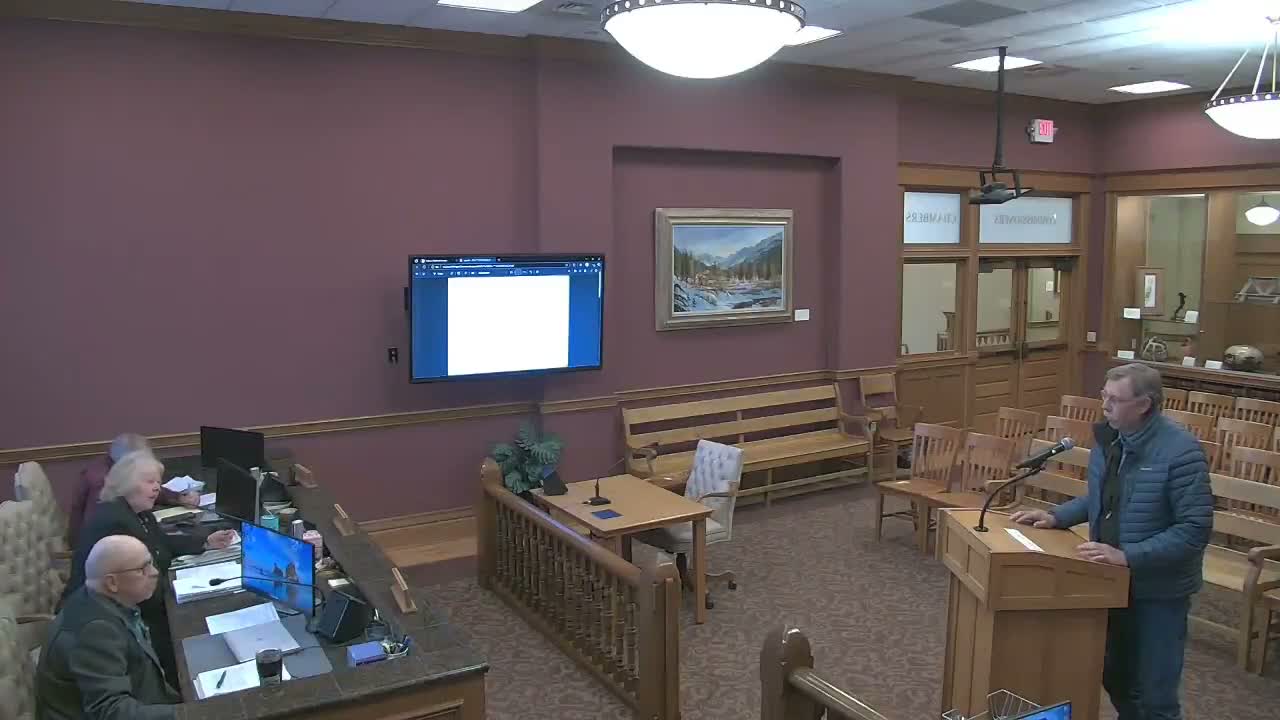
The Flathead County Board of Commissioners voted Nov. 4 to send a letter urging prompt action on the 2010 Flathead Lake Drought Management Plan after a public commenter asked the county to press state and federal officials to protect lake levels. Doug Gabriel told commissioners the plan — produced with public input and federal agency involvement — should receive a formal Secretary of the Interior ruling so it applies during drought years. He asked the county to endorse language that would aim to keep the lake within about one foot of full pool in summer drought conditions.
County administrator Pete Melnick presented a draft letter based on Gabriel’s briefing and suggested edits made earlier in the meeting. Commissioners said Flathead Lake is vital for tourism and local recreation and supported sending the letter; a motion to approve the letter passed unanimously. Commissioner speakers noted the timing and recent federal administration changes made the request timely.
Why it matters: Commissioners framed the action as an advocacy step asking state and federal decision-makers to finalize a long‑standing drought-management document so local water levels could be more predictable during low-flow years. The 2010 plan — which Gabriel said was developed with participation from the Bureau of Indian Affairs and other federal bodies — has not received the Secretary of the Interior’s final ruling that would make its drought provisions enforceable.
What happened next: The commission approved the letter and recorded the motion; there was no formal vote count recorded in the public segment of the transcript. The agenda later listed a closed-session item on litigation strategy but the lake letter discussion remained a public, recorded action.