Lifetime Citizen Portal Access — AI Briefings, Alerts & Unlimited Follows
House debates one‑time state funding to restore college‑readiness services for six high schools
Loading...
Summary
Members debated a proposal to provide one‑time state funding to restore college and career readiness services for low‑income, first‑generation students at six high schools. Supporters said the program works; opponents argued state taxpayers should not backfill lost federal funding. The transcript records debate and a roll‑call request; a clear final tally for this item is not recorded in the transcript.
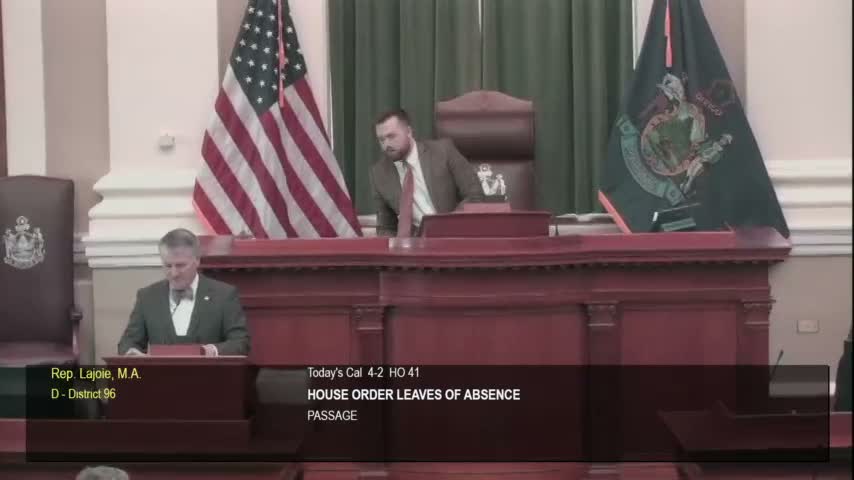
The Maine House of Representatives debated a proposal on Feb. 25, 2026, to provide one‑time state funding intended to restore college and career readiness services for students at six high schools that had lost federal support.
Representative Murphy, speaking for the majority 'ought to pass as amended' report, said the funding would be used "solely to provide academic support and college and career preparation assistance to students at Mountain Valley High School, Oxford Hills Comprehensive High School, Buckfield Junior and Senior High School, Dirigo High School, Telstar High School, and Edward Little High School." She added that eligible students are low‑income and first‑generation to attend college and that the River Valley Upward Bound program had produced testimony from graduates attesting to improved outcomes: "This is a program that works and deserves this one‑time funding so it can continue in the near future." (Representative Murphy)
Opponents pressed the fiscal and precedent questions. Representative Vernicki asked, "Why should the Maine taxpayers pick up the cost of an additional federal program because our chief executive officer and the other side of the aisle has decided to not follow federal regulations?" He argued that restoring federal compliance would be the appropriate remedy. Representative Lyman said the program's integrity "is not in question," but voiced concern about state taxpayers filling gaps left by federal funding losses.
Representative Hagen also rose in opposition, repeating that the state should avoid setting a precedent of backfilling federal cuts.
The transcript records that a roll call was requested and that members spoke for and against the measure. The record in the provided transcript does not contain a clear, unambiguous final vote tally or a formal signed passage outcome for this specific funding item; the debate and roll‑call request are documented in the hearing record but the transcript segments available do not clearly show the final disposition or an explicit, correctly parsed vote tally for this motion.
What happens next: the transcript indicates the House considered the committee report and debated the proposal on the floor; further procedural steps—such as final passage or sending the enactment to the Senate—are not clearly recorded in the provided segments.
Proper names and context: the discussion referred to the River Valley Upward Bound program and named the six high schools listed above. The debate centered on whether state general funds should temporarily replace lost federal support and whether doing so would set an undesirable precedent.
Ending: the matter was debated on the floor and a roll call was requested; the transcript does not include a clearly recorded final disposition for this funding request in the segments provided.