Lifetime Citizen Portal Access — AI Briefings, Alerts & Unlimited Follows
St. Augustine commissioners send sweeping vehicles‑for‑hire and franchise overhaul to workshop after heavy public debate
Loading...
Summary
The City Commission advanced first readings of two ordinances rewriting rules for vehicles for hire and tour franchises, including caps on pedicabs and new tiers for sightseeing vehicles, but voted to pause formal second readings and hold a workshop after commissioners and stakeholders raised enforcement, insurance and equity concerns.
The St. Augustine City Commission voted March 9 to carry forward two first‑reading ordinances that would significantly change how the city regulates vehicles for hire and franchised tour operators, sending the proposals to a staff‑led workshop for more detail before a formal second reading.
The ordinances, presented by city staff, would split Chapter 27 (vehicles for hire) from Chapter 14 (franchises). Staff said the changes clarify definitions, create a vehicle‑for‑hire administrator, strengthen driver qualification and inspection requirements, and set caps meant to prevent oversaturation. Key staff proposals include a cap on permanent motor vehicle operators, new limits on pedicabs, annual background checks and inspections, and maintenance of state minimums for vehicle‑for‑hire insurance.
Ruben Franklin, staff lead on the project, told commissioners the city sought a balance between safety, enforcement and business opportunity after months of stakeholder engagement. For franchises, staff proposed tiered categories: tier 1 for large sightseeing operators (existing trolleys/trains), a new tier 2 for smaller sightseeing vehicles, and an updated set of rules for animal‑drawn carriages. Proposed franchise features include fixed loading zones, appearance requirements, medallion limits, and higher insurance minimums for tier 1 operators.
Why it matters: The changes aim to address long‑running tensions between downtown mobility goals, tourist‑oriented businesses, and neighborhood impacts. Supporters said clearer rules and an accountable administrator will improve public safety and enforcement. Opponents — including multiple local small‑tour operators who spoke during public comment — warned the proposed caps, fee levels and insurance increases could disproportionately harm small, local businesses and create barriers to entry.
What commissioners and the public said: During a lengthy public‑comment period and subsequent debate, local tour operators urged the commission to protect long‑standing local businesses from an influx of outside operators and asked for practical enforcement and grandfathering provisions. Several commissioners questioned whether existing fees would cover the substantially increased enforcement and administrative workload staff anticipate, and whether pedicab caps (staff proposed a theoretical maximum that drew criticism) were set too high.
Commissioners pressed staff on enforcement mechanics, DUI notification for drivers, how medallions would be allocated if applications exceed caps (staff described an application deadline plus lottery approach), and whether franchise fees would offset the additional city costs. Multiple commissioners urged that permit and fee levels be tied to a realistic cost estimate of inspections, background checks and enforcement.
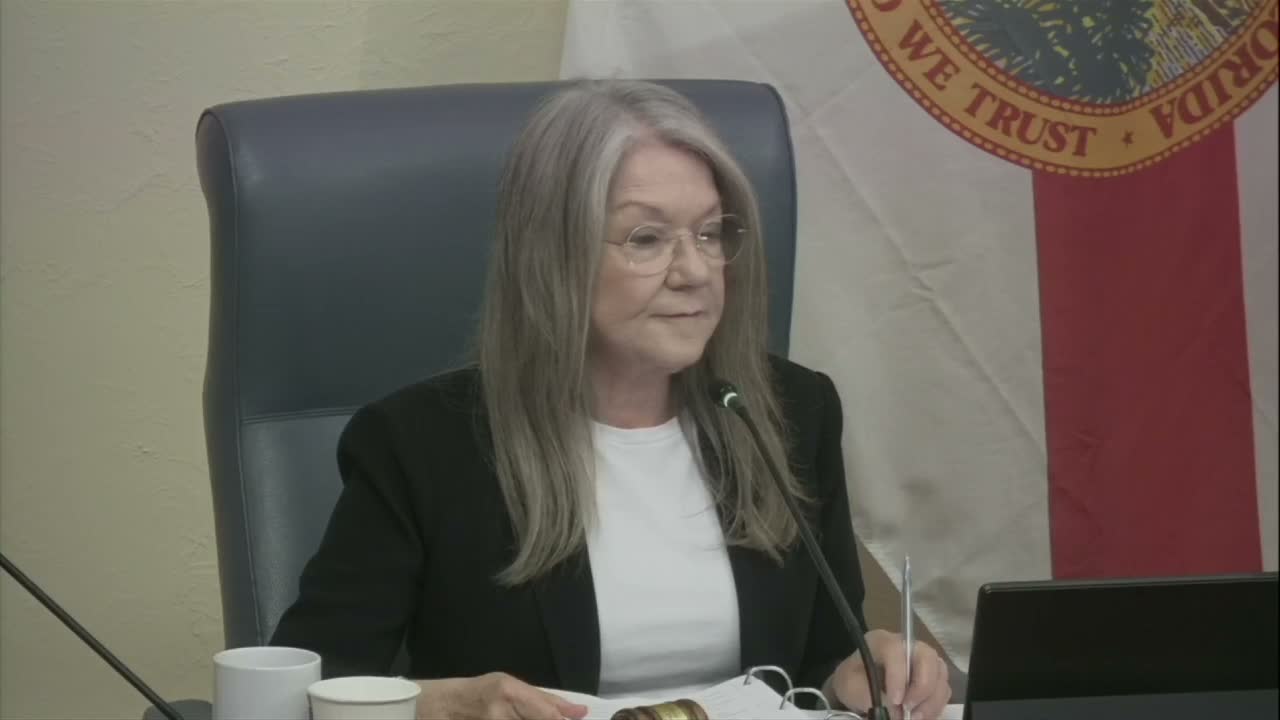
Action taken: Rather than immediately setting the ordinances for second reading, the commission voted unanimously to table progress toward a second reading and instead directed staff to schedule a workshop to address the detailed concerns raised by commissioners and stakeholders. Commissioner John DePrater moved to table the item and schedule a workshop; Commissioner Jim Springfield seconded the motion, which passed on a unanimous roll call.
Next steps: City staff will break the ordinances down into component parts, incorporate commissioner and public comments, and propose a workshop date. Staff indicated the ordinances may require multiple subsequent hearings before final adoption. The commission emphasized it wants clear proposals on enforcement funding, fee structures, and specific changes to animal‑welfare and heat rules for carriage horses before any final vote.
Attribution: Key quotations and policy descriptions are drawn from staff presentations and public comments on March 9. The motion to proceed to a workshop was made on the record and carried by unanimous roll call.