Get Full Government Meeting Transcripts, Videos, & Alerts Forever!
Get email alerts on the Animal Welfare topic
No spam. Unsubscribe anytime.
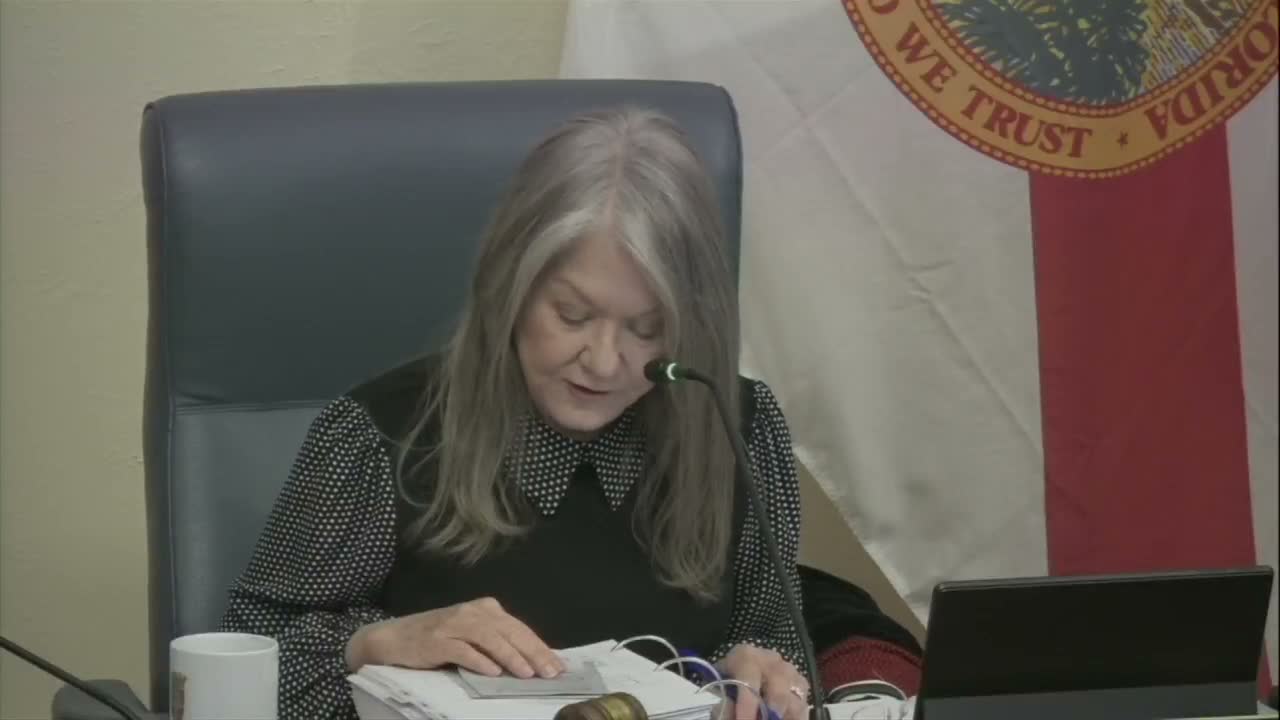
Commission hears testimony on sick and missing carriage horses; moves to notify franchise holder it will not be renewed
Summary
Residents and animal-welfare advocates delivered detailed allegations about multiple horse deaths, disease mismanagement and repeated lease violations at the city‑leased 650 Riberia St stables. After staff updates on a FDACS quarantine and repeated inspections, the commission instructed staff to notify the franchise holder it will not renew the franchise when it expires.
Dozens of residents, veterinarians and carriage drivers told the St. Augustine City Commission on Tuesday they want the city to stop subsidizing horse‑drawn carriage operations and to hold franchisees accountable after a recent contagious disease outbreak.
Public commenters described deaths and missing animals connected to stables the city leases at 650 Riberia Street. “Ghost died at the city stable operated by Country Carriages,” public commenter Katie Zoda said, calling the death “a preventable tragedy” and urging a structured phase‑out of carriage operations. Other speakers named animals (Ghost, Titan, Beauty, Sprinkles) and showed photos they said document overcrowding, manure piles and deteriorating sheds.
The commission heard a staff briefing from Corey Sackard, director of general services, who summarized inspections, independent reviews and the state response. Sackard said the Florida Department of Agriculture and Consumer Services (FDACS) initiated a quarantine at the 650 Riberia facility on Jan. 8; 21 horses were on site at the time, and FDACS has conducted weekly checkups. ‘‘FDACS authorized release of four horses that completed testing protocols and authorized release of two additional horses; two horses were euthanized or died during the outbreak,’’ Sackard said, and staff reported the 21‑day quarantine period began with a visit on Feb. 11, putting expected quarantine lift at March 3.
City staff also outlined a series of prior inspections and code‑enforcement letters dating to 2024, and described a punch list of electrical and structure items the city intended to require the operator to fix after quarantine is lifted. Sackard said staff has worked with the University of Florida’s animal‑science experts and local agricultural deputies on assessments; UF’s inspection found animals in generally good condition but identified corrective actions that were subsequently addressed.
Commenters and several commissioners urged more than spot remediation. Patricia Ramos, who said she holds a stack of documented code violations, said the pattern of violations ‘‘is undeniable’’ and asked whether the city has the will to end what she called an ‘‘unchecked industry.’’ Jennifer Cushing, who identified herself as a carriage operator, defended her care routine and said vet care and other costs are substantial.
After discussion about staff time spent on inspections, the extent of documented violations and the franchise and lease expiration dates, a majority of commissioners moved to instruct the city attorney and staff to notify the franchise holder that the city will not renew the franchise agreement at the end of the current term. The clerk recorded the roll call; the motion carried.
What happens next: Staff will prepare the required notice under the franchise and lease terms and return to the commission with options and next steps, including whether and how to reassign medallions or invite new operators. The lease and franchise expire Sept. 30; the ordinance requires six months’ advance notice to effect non‑renewal.