Senate removes school carryover caps, citing local flexibility and strategic planning
Loading...
Summary
SB 11-93 passed the Senate to remove limits on school-district general-fund carryovers. Supporters said the change reduces perverse spending incentives and helps strategic planning; critics sought guardrails and questioned fiscal oversight and accountability.
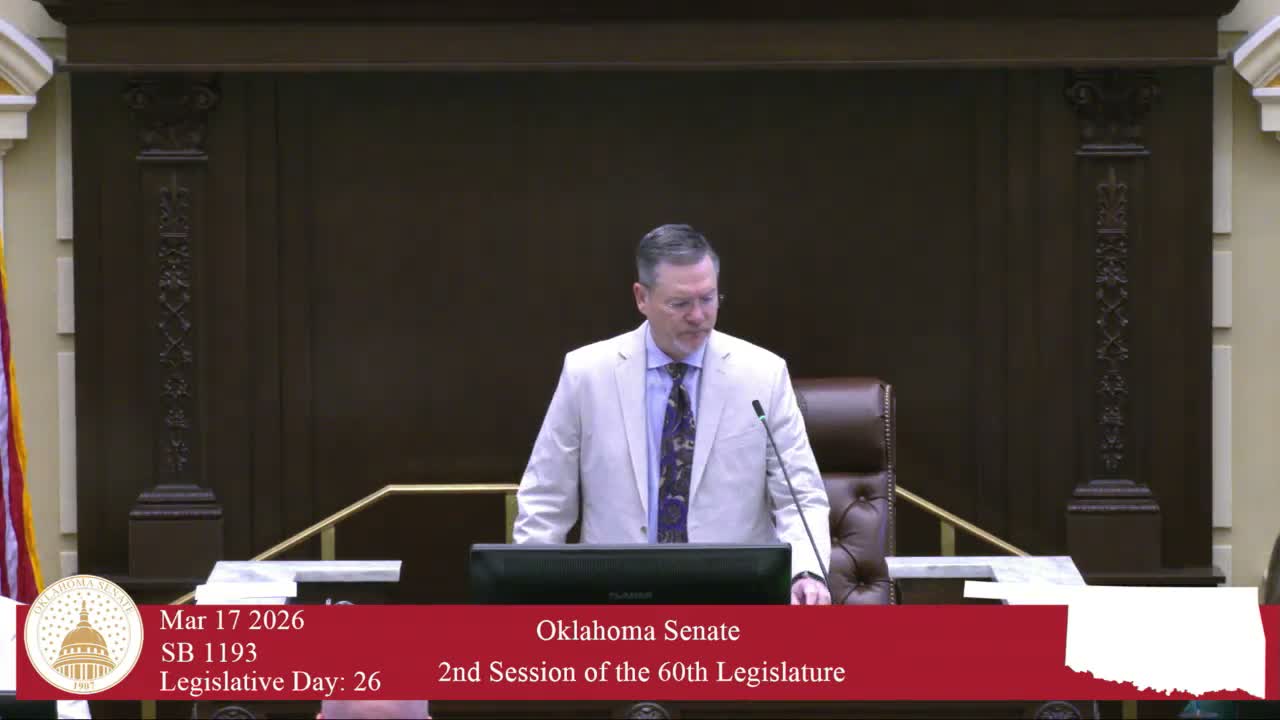
The Oklahoma Senate on Wednesday passed SB 11-93 on third reading, removing statutory limits on school-district general-fund carryover balances.
Senator Pew (author) said removing the cap will encourage local engagement with school boards and allow districts to pursue multi-year strategic investments rather than spending to avoid penalties. “We are trusting communities to engage their school districts, when they see a need arise,” Pew said, adding that districts must post financial information publicly and that parents should act as first-line accountability.
Several senators pressed for guardrails and evidence that prior waivers produced long-term savings. Minority Leader Kurt and others asked what checks would ensure prudent stewardship; Pew said public posting and community engagement are the primary checks and that the change corrects a perverse ‘use it or lose it’ incentive.
Supporters, including rural-district advocates, argued carryover flexibility helps small schools weather enrollment fluctuations and avoid wasteful year-end purchases. Detractors asked for clearer fiscal safeguards and for more data on whether waivers led to better outcomes.
The Senate recorded 46 ayes and 0 nays; the author asked that the vote be considered the emergency vote and was granted unanimous consent.
What happens next: The bill moves to the House; implementation questions raised on the floor suggest follow-up on reporting, transparency and possible statutory guardrails.