Get Full Government Meeting Transcripts, Videos, & Alerts Forever!
Get email alerts on the Board Governance Training topic
No spam. Unsubscribe anytime.
Victoria ISD trustees complete state-required governance training focused on outcomes, bond planning and teacher retention
Summary
At a Feb. 2, 2026 training, outside facilitators led Victoria ISD trustees through interactive exercises on leadership styles, prioritization of district challenges (including a potential bond, aging facilities and teacher retention) and the distinction between outcomes, outputs and inputs.
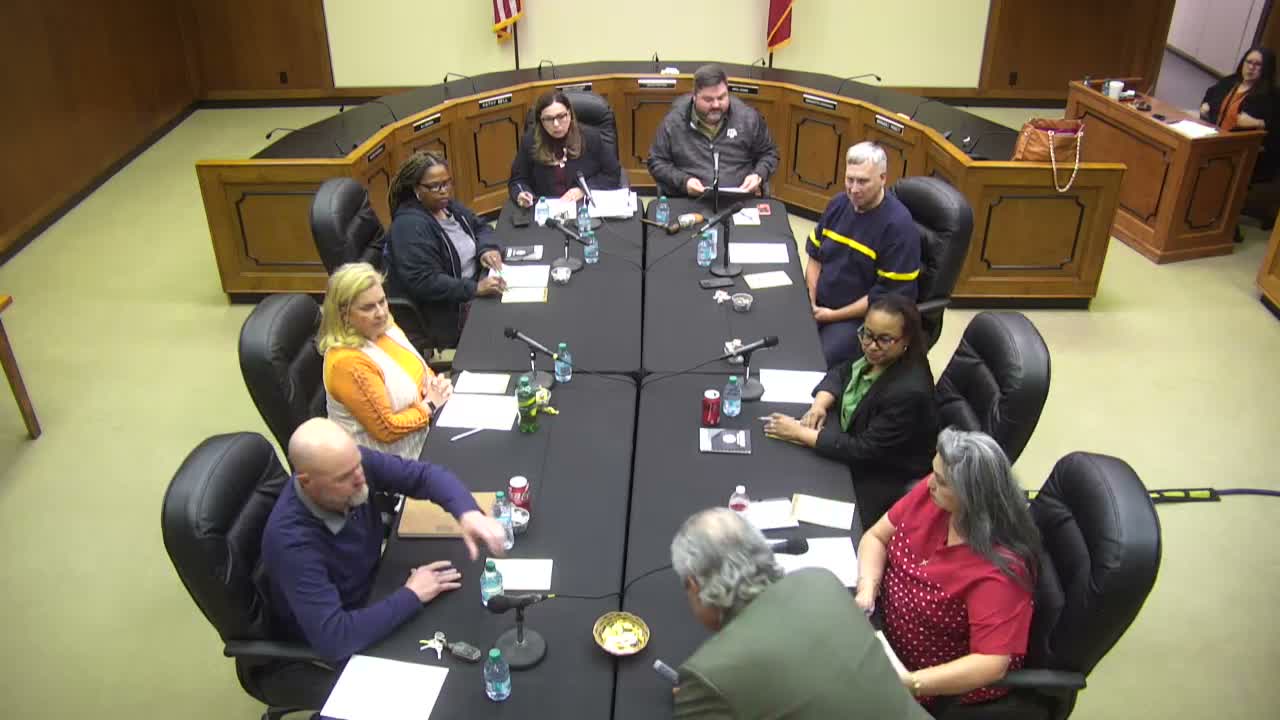
On Feb. 2, 2026, trustees for Victoria Independent School District met for a state-required "team of 8" governance training that emphasized prioritizing measurable outcomes, preparing the community for bond planning and retaining experienced teachers.
Trainer Michael Lina Hosa of the Together Network for Transformation framed the session around three elements—knowledge, skill and attitude—and led trustees through interactive exercises identifying the district's top near-term challenges. "If everything is important, nothing's important," Hosa said during a prioritization exercise, urging trustees to limit their focus to a small set of strategic "big rocks." He told the group that combining related items (for example, facilities upgrades and catastrophic facility risk) can clarify planning and communications.
Trustees and attendees listed several recurring priorities: passing a bond, building community trust, addressing aging athletic and school facilities, and improving recruitment and retention of quality teachers. Hosa advised targeted communications and polling before a bond election, noting that successful campaigns require distinct messages for voters, staff and the broader community. "You have to know who your voters are," Hosa said, urging strategic outreach and regular polling to shape messaging and timing.
Presenters spent significant time distinguishing outcomes (the end results the community wants), outputs (mid‑cycle indicators that show progress) and inputs (the resources and strategies used to get there). Hosa and co‑trainer Ben Mackey recommended that boards set outcomes and hold the superintendent accountable for the inputs and implementation: boards should "select the outcomes," while the superintendent and staff should propose and manage the inputs and outputs used to reach them.
Sheila Collazo, who described herself as having led teacher‑evaluation work in the past, said the district has been "taking Victoria to the next level" and expects further transformations in the coming years. Several trustees said they value regular check‑ins on outputs—such as short‑term staff retention metrics and facility condition updates—to verify whether strategies are moving the district toward agreed outcomes.
Trainers closed the session by asking trustees to summarize three learnings, two likes and one lingering question; they also said they would follow up with district staff to capture the group's priorities in a more legible format. The trainer cautioned trustees to build community trust steadily before moving forward with a bond, noting that once a bond is formally "called" the district's work and messaging change. Presenters offered to support the superintendent and board as they convert the session's priorities into an 18‑month strategic plan.
The board adjourned after the training. Trainers said they would provide follow‑up materials and coordinate next steps with district leadership.