
Parents urge Rockwall ISD board to reject school‑led prayer: 'Schools are not Sunday schools'
Get AI-powered insights, summaries, and transcripts
Sign Up Free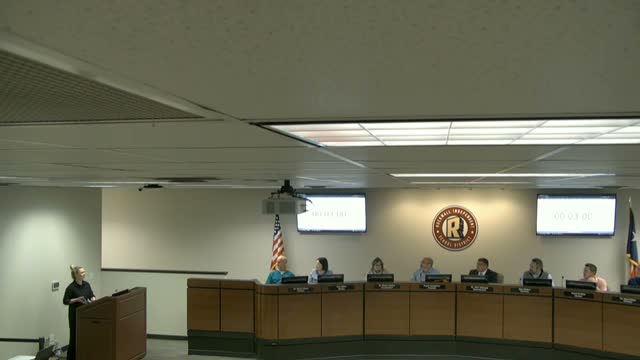
Summary
Two parents urged the Rockwall ISD Board of Trustees to avoid adopting school‑sponsored prayer under SB 11, warning it could privilege a single faith expression, invite legal challenges and create administrative burdens; trustees did not deliberate on the subject during the public comment period.
During the public comment period at the Feb. 16 Rockwall ISD Board meeting, two parents expressed opposition to state proposals that would allow school‑sponsored prayer periods.
Amy Ford, who identified herself and her address, told trustees she appreciates the district but urged them to consider Rockwall’s religious diversity. "My concern is that it would inevitably reflect one particular expression of religion over others," she said, warning that school‑led prayers — even well‑intentioned ones — could spur emails, public records requests and legal challenges. Ford asked the board to protect students' existing rights to pray individually rather than place the school in the middle of theological differences.
Patricia Ruiz, a parent in Rockwall ISD, said the bill (referred to in comments as SB 11) would permit teachers to encourage and potentially lead prayer periods and could violate longstanding constitutional limits on public‑school employees engaging in religious exercise with students. Ruiz said such a policy risks coercion, discrimination and administrative burdens and urged trustees to reject adopting school‑sponsored prayer in the district.
Board rules limit board deliberation during public comment; trustees did not take action on SB 11 during this meeting. Both speakers framed their remarks around student rights and potential community consequences rather than partisan language.
Why it matters: Comments highlight a recurring statewide policy debate about the role of prayer in public schools. Local boards are often asked to clarify how state guidance would be implemented at the campus level; speakers told trustees implementation could create legal exposure and divide communities.