Get Full Government Meeting Transcripts, Videos, & Alerts Forever!
Get email alerts on the Academic Calendar topic
No spam. Unsubscribe anytime.
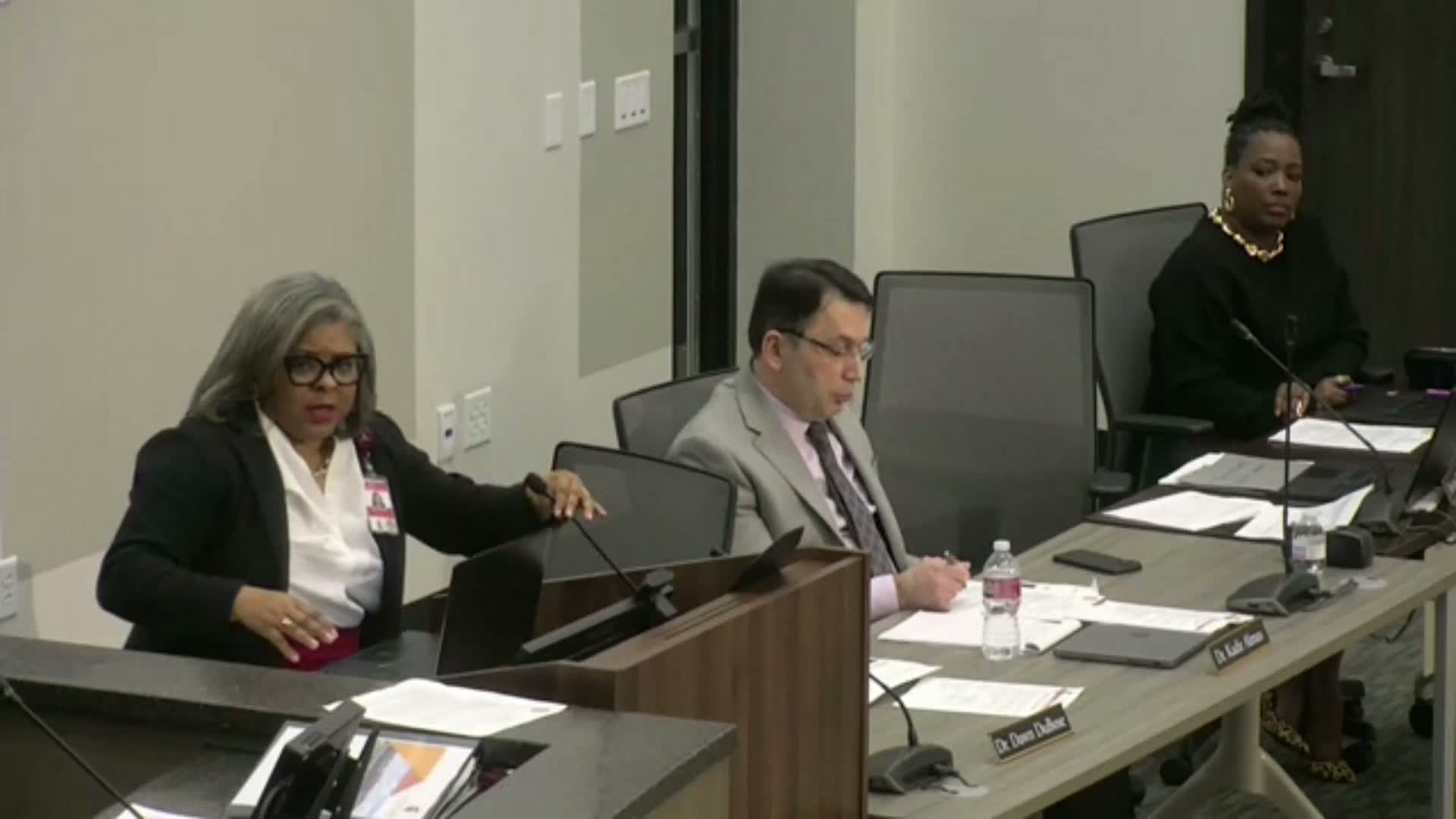
Trustees discuss 2026-27 calendar options including TEA pathways and table final vote
Summary
Staff reviewed a proposed 2026-27 academic calendar (175 instructional days plus 25 summer-learning days under TEA options), outlined flex/professional-development scheduling and warned of attendance trade-offs; the board tabled final approval pending options discussed in closed session.
District staff presented options for the 2026-27 academic calendar and discussed trade-offs tied to Texas Education Agency (TEA) optional calendar designs.
A district official who identified as a doctor reviewed a proposed calendar with 175 instructional days and an additional 25 summer-learning days, which together meet the TEA threshold of 200 counted days under the program described. Staff explained two TEA pathways: a full-year design that requires universal attendance and a summer/optional model that allows targeted summer offerings; they also described plans to repurpose certain days for professional development and to create longer weekend breaks to match community feedback.
Trustees and staff discussed operational implications, including attendance declines after July 4 that reduce summer-program funding, how dual-credit and magnet programs may require additional days, and how built-in instructional minutes provide scheduling flexibility for emergencies. Several trustees emphasized that decisions should be data-driven and tied to outcome measures such as student achievement and teacher retention.
When the board returned to open session, the superintendent asked trustees to act as discussed in closed session. The board elected to keep the calendar approval tabled and did not adopt the calendar at the meeting; staff said they would return with options and follow-up information.
The topic will return to board consideration when staff provide additional options or data requested by trustees.