Get Full Government Meeting Transcripts, Videos, & Alerts Forever!
Get email alerts on the Downtown Zoning topic
No spam. Unsubscribe anytime.
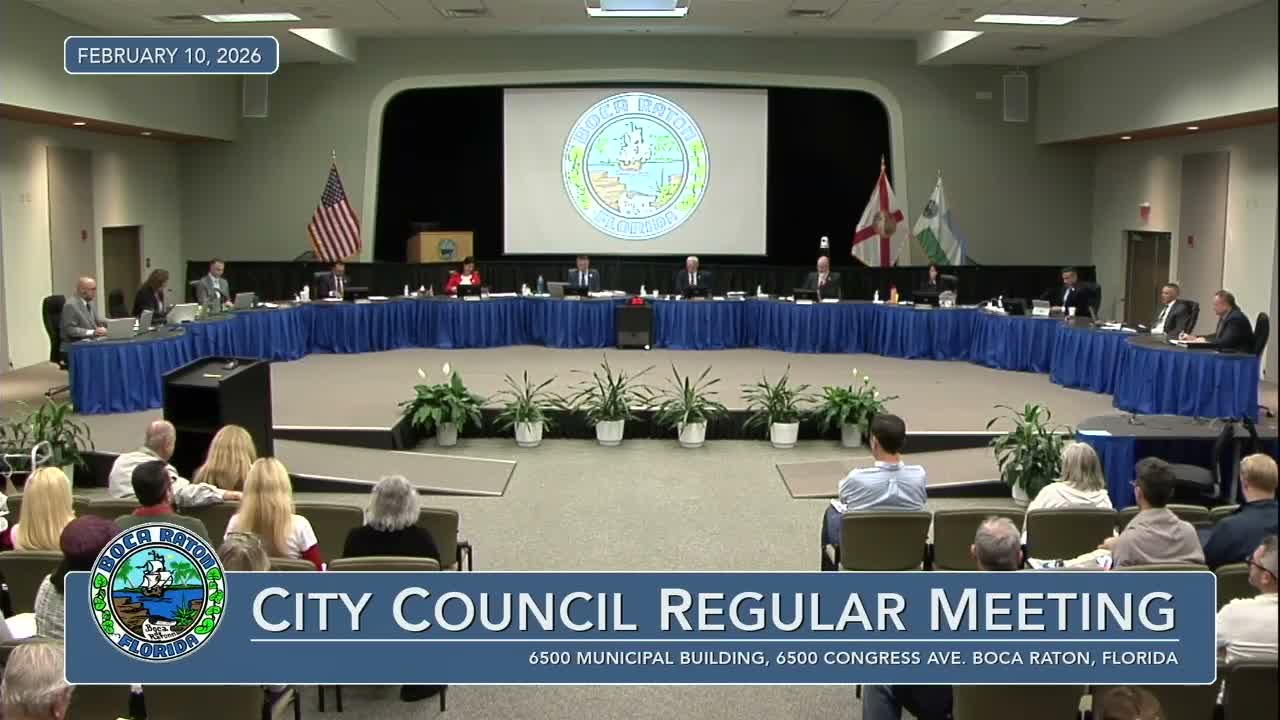
Council advances downtown zoning package and clarifies outcome if referendum fails; residents raise parking, height and transparency concerns
Summary
Staff introduced a new form‑based downtown zoning district (Ordinance 57‑71) and related map and DDRI amendments; the council also adopted Ordinance 57‑72 to make clear that Council’s prior 57‑69 would be ratified only if voters approve the March referendum. Public comment centered on building heights, parking and trust in the process.
City planning staff presented a multi‑part package to replace the downtown DDRI framework with a new form‑based Downtown Zoning District, including a government‑center subdistrict tailored to enable the proposed downtown campus public‑private partnership (P3).
The staff presentation said the proposed district would emphasize ground‑floor activation, pedestrian improvements, micro‑mobility standards and revised parking rates consistent with mixed‑use, transit‑oriented development. The draft rules set a general height framework (typical limits near 100 feet, with some lots eligible up to 140 feet consistent with past interim guidelines) and a massing limit above 100 feet. Staff said division 2 (government center rules tied to the P3) would be automatically repealed if voters reject the related referendum.
Council members and staff stressed this is the first of two public hearings; adoption is scheduled for a future meeting. The council also adopted Ordinance 57‑72 to explicitly confirm that, if voters reject the March 10 referendum on the downtown campus transaction, Ordinance 57‑69 will be automatically repealed without further council action.
Public comment was extensive and sharply divided. Opponents warned that a 140‑foot maximum would shadow downtown and erode local character, complained about perceived lack of transparency, and urged charter‑level protections for parks. Supporters and several workers who commute to the area urged that predictability in land use — including predictable approvals for services such as emergency access and employment centers — matters to residents and employers.
Staff and some council members said the proposed district is intended to improve walkability and the pedestrian realm, reduce confusing layering in the DDRI, and permit clearer expectations for developers and residents. Several speakers called for more detailed, seasonally timed traffic analysis and stronger guarantees that civic buildings and public benefits would be delivered as public commitments rather than contingent promises.
The council did not adopt the zoning district Tuesday; it took up and passed only Ordinance 57‑72 (conditional repeal clarifier). Staff said additional refinements and a second public hearing are scheduled before any final adoption.