Get Full Government Meeting Transcripts, Videos, & Alerts Forever!
Get email alerts on the Charter Amendment Legal Challenge topic
No spam. Unsubscribe anytime.
Attorney: law director has duty under Ohio statute to seek injunction over challenged charter amendment
Summary
Outside counsel told the Vermilion City Council the law director likely has a mandatory duty under Ohio Revised Code to sue to block implementation of a voter-approved charter amendment the city believes may conflict with the state constitution; council members asked about timeline, costs and use of outside counsel.
An outside attorney advising the council said the city's law director has a statutory duty to seek injunctive relief if a voter-approved charter amendment would violate the Ohio Constitution.
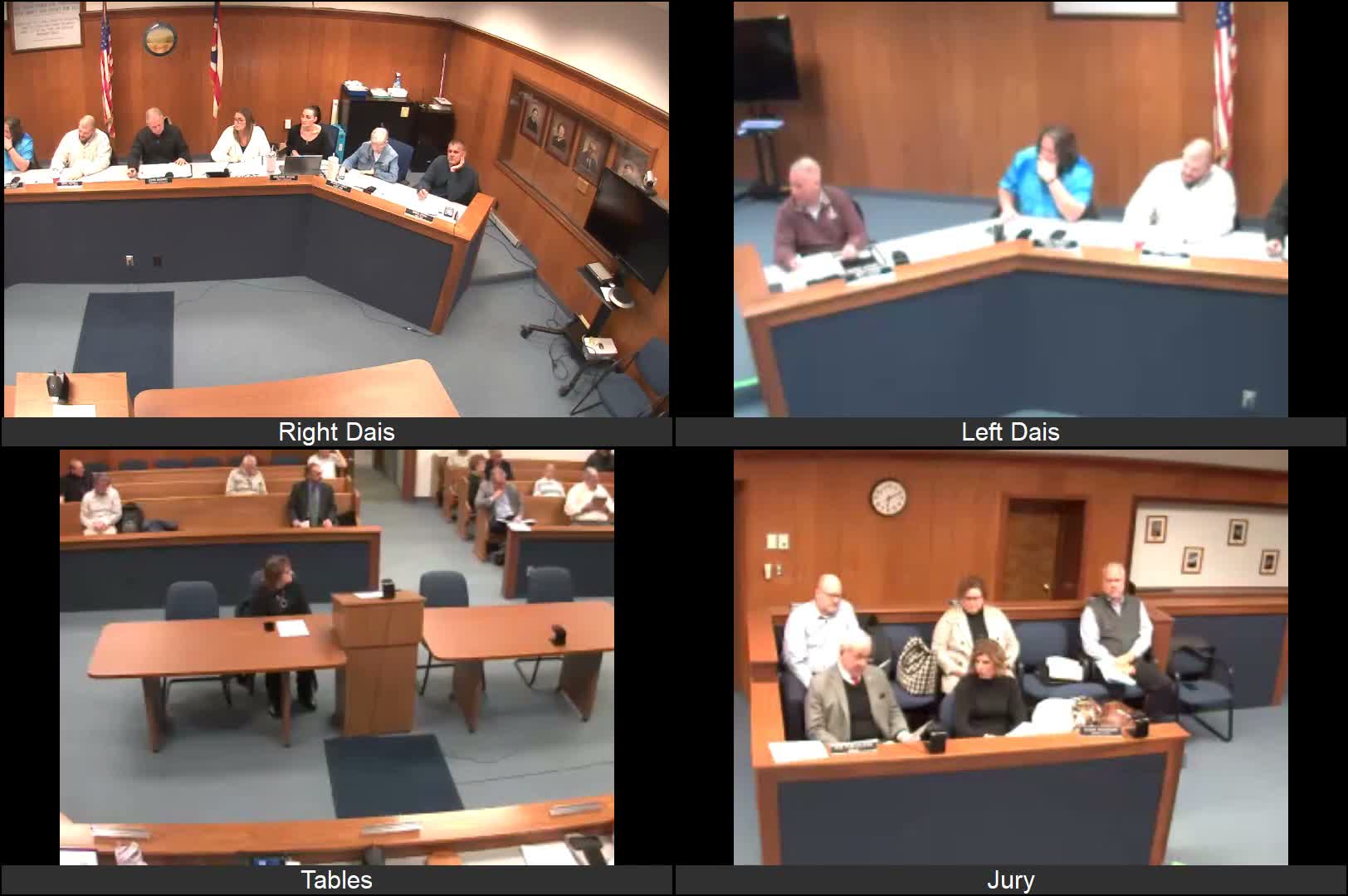
Stephen Funk of Rotsela Landres told the Vermilion City Council that, under Ohio Revised Code section 733.56, "the law director has the statutory authority, in fact, the mandatory duty, if they believe the city is going to violate the Ohio Constitution to seek an injunction to prevent that from happening." Funk spoke during the council's regular meeting as members asked for legal clarification about a charter amendment that recently passed a vote.
The attorney outlined the usual procedure if the law director pursues the matter: filing a declaratory judgment and an injunction in the name of the city, naming city officers (including council members and the mayor) as defendants in their official capacities, and, in many cases, hiring outside counsel to defend the charter so that both sides are fully represented. Funk said that, in prior cases he had worked on, the matter could be resolved quickly through summary judgment in a matter of months but warned that appeals would extend the timeline and increase costs.
"What you can do is file for summary judgment," Funk said. "In that case, we actually filed, before the end of the year, and I think it got heard within a couple of months." He added that if parties intervene and appeal, the process could take substantially longer and that appeals often add months to the schedule.
Council members asked about likely fees and the practical steps the city would take. Funk said the city would generally pay the law director's and outside counsel's fees if the city defends the charter; he also described a taxpayer remedy under ORC 733.59 that allows a citizen to demand the law director comply with the duty and, if the law director refuses, to file the action themselves (with the city potentially responsible for the intervenor's fees in some cases).
Funk recommended appointing outside counsel to defend the charter so both sides would be heard, and he cited precedent where intervenors have taken a position in appellate proceedings. He told council members the purpose of early briefing would be to minimize expense by narrowing the purely legal question."There's no real facts to dispute," he said, "so you can try to get it teed up."
The council did not take a formal vote on litigation at the meeting. Members raised follow-up questions about timing and cost; Funk emphasized that exact costs depend on the path chosen and whether the matter proceeds quickly on legal briefing or goes to a lengthy appeal.
Next steps identified in the meeting included council consideration of whether to authorize hiring outside counsel and the possibility that a taxpayer could trigger a demand under the statute if the law director declines to act. The council also noted that changes in personnel (for example, a new mayor or law director after an election) could affect how the city proceeds.