Get Full Government Meeting Transcripts, Videos, & Alerts Forever!
Get email alerts on the Surveillance Cameras topic
No spam. Unsubscribe anytime.
Vermilion council removes proposed license-plate camera ordinance after police request and strong public opposition
Summary
After receiving a request from the police chief and hearing dozens of residents oppose the $66,000 Flock license-plate camera system, the Vermilion City Council voted to remove the ordinance from the agenda at its Nov. 10 meeting.
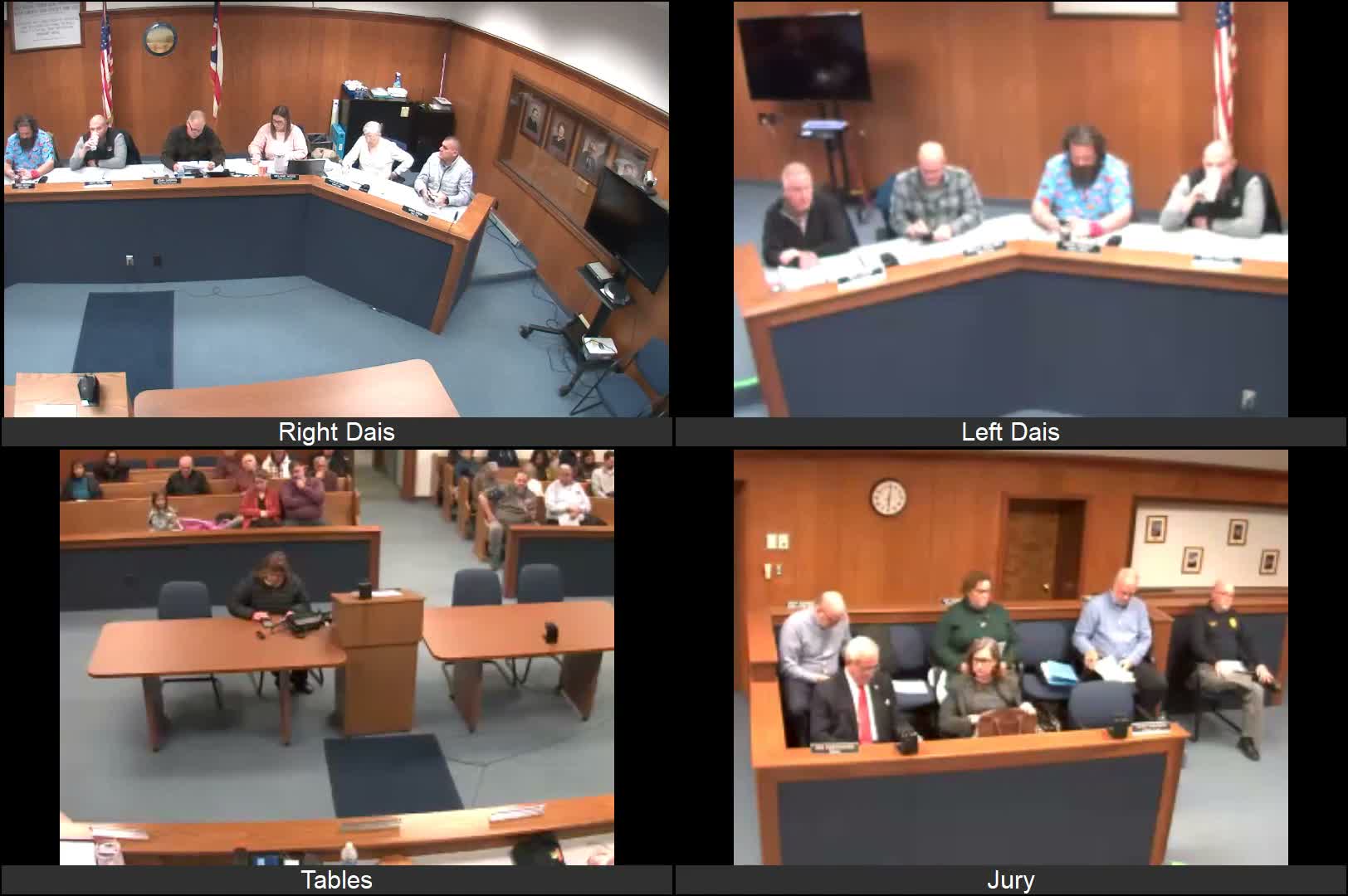
The Vermilion City Council voted on Nov. 10 to remove a proposed ordinance authorizing a Flock license-plate camera system from the agenda, after the Vermilion Police Department asked the council to withdraw the measure and multiple residents urged rejection.
Council President John Gabriel moved to remove the ordinance after reading the police chief’s letter asking that the item be withdrawn while new funding opportunities and a contract review are pursued. A council member moved to remove the item and Gabriel seconded; the presiding officer called the roll and announced the motion carried.
Why it matters: residents and members of the public told council they consider the cameras an invasion of privacy and an improper use of limited city funds. Letters read aloud and several public commenters noted the roughly $66,000 installation cost plus ongoing service fees, urging the council to prioritize roads, water and wastewater repairs.
Multiple speakers pointed to privacy and accuracy concerns tied to the vendor’s license-plate readers. Andrea Helton told the council, “We cannot be so willing to give up our freedoms in the name of safety,” reflecting the tone of other speakers who said they distrust the company’s data handling and questioned whether Vermilion has a crime problem that justifies mass surveillance.
Council President Gabriel framed the action as responsive to both the police chief’s request and public input. He said the police department has asked the city to delay or withdraw the ordinance while additional funding or technical options are examined. Several letters read into the record asked council to postpone the ordinance and to prioritize essential infrastructure spending.
What the council did next: the council president said the item will be removed from the agenda; he did not announce a new date for reconsideration. Related procedural items on the agenda — including referrals and additional readings on other ordinances — will proceed according to the council’s schedule.
Context and next steps: the police chief’s letter, as read at the meeting, suggested the city could pursue alternate funding sources that might negate the need for the ordinance as written. Council members and staff discussed contract language and public concerns; any future action on surveillance technology will require new council consideration and, likely, additional public notice.
Quotes from the meeting:
• Andrea Helton (resident): “We cannot be so willing to give up our freedoms in the name of safety.”
• Council President John Gabriel: read a letter from Chief Hartung asking that the ordinance be withdrawn while the department researches funding options and the timeline remains uncertain.
The council adjourned the public-comment segment and continued with the rest of its agenda, including finance and ordinance readings.