Get Full Government Meeting Transcripts, Videos, & Alerts Forever!
Get email alerts on the Physical Education topic
No spam. Unsubscribe anytime.
Committee backs bill to require more PE and daily unstructured outdoor recess in K–8
Summary
After sponsor and health-education groups cited childhood fitness and academic benefits, the subcommittee voted to move SB 3195 forward; supporters said the bill prioritizes health while preserving accountability.
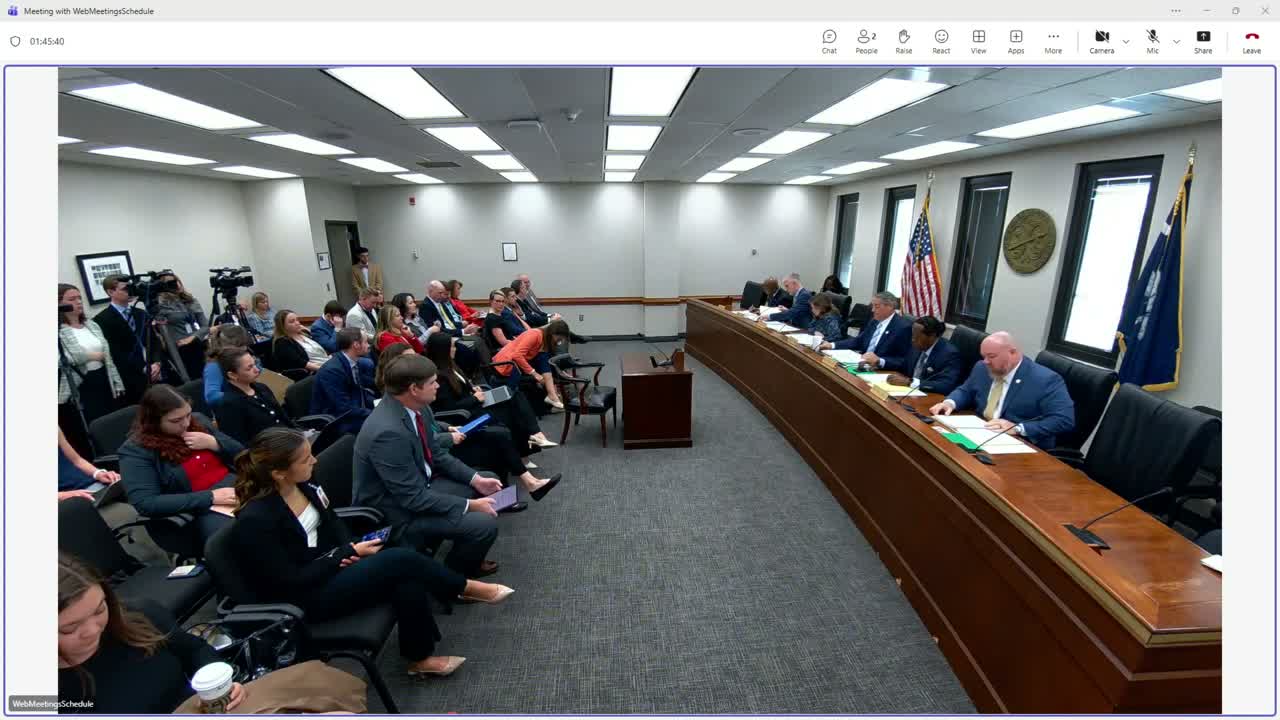
The subcommittee voted to advance SB 3195, which would set minimum physical-education and unstructured recess requirements for elementary and middle-school students.
A presenter summarized the bill’s requirements: a minimum of 90 minutes of physical education per week for kindergarten through fifth grade and a minimum of 60 hours of physical education per school year for grades six through eight; additionally, the bill would require a daily minimum of 20 minutes of unstructured outdoor recess for students in four‑year‑old kindergarten through eighth grade. Districts would file annual reports to the Department of Education documenting minutes of PE and recess.
Sponsor testimony said the proposal grew from a joint nutrition study committee and aims to address declining fitness and mental‑health trends. Sally Nima, representing the South Carolina Alliance for Health, Physical Education, Recreation, and Dance, cited state fitness data and national cost estimates linking physical fitness to long‑term health outcomes and workforce readiness. "Research consistently demonstrates increased movement opportunities allow increased brain activity and focus," Nima told the committee.
Palmetto State Teachers and other supporters added written comments and said they would answer policy questions as needed. The committee moved and voted to forward the bill; members asked clarifying questions about implementation and scheduling but recorded no amendments at the hearing.
The committee did not adopt a funding mechanism at the hearing and asked agencies and stakeholders to outline implementation costs.