Get Full Government Meeting Transcripts, Videos, & Alerts Forever!
Get email alerts on the Data Centers Moratorium topic
No spam. Unsubscribe anytime.
Residents press commissioners on data centers as developer outlines benefits and water plans
Summary
At a Feb. 2 meeting, Fulton County residents questioned data-center proposals and a Feb. 10 planning commission moratorium hearing; developer Tom Docich said state law and fiber/electric infrastructure make the county attractive, while residents raised concerns about water use, noise, taxes and state preemption.
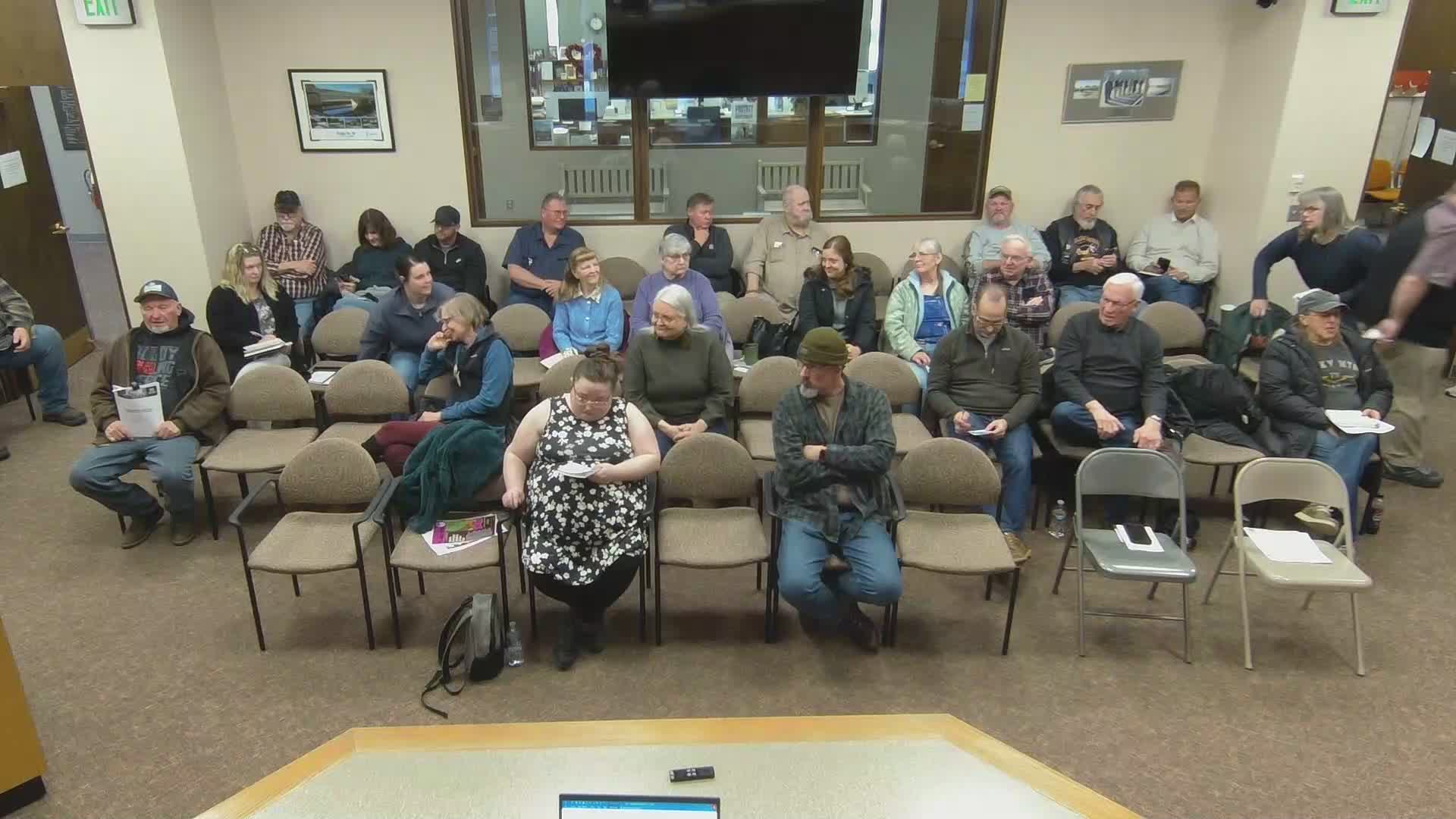
An extended public-comment session at the Fulton County Board of Commissioners’ Feb. 2 meeting focused on proposed data centers and an upcoming Feb. 10 planning‑commission hearing on a temporary moratorium.
Tom Docich, a lawyer who said he builds data centers and represents companies Decennial and Transport Indiana, told the commissioners the county’s fiber and long-haul electric lines make it attractive for advanced computing projects. “Fulton County is uniquely positioned with some of that fiber,” Docich said. He added that recent state legislation includes an anti‑NDA provision and argued communities can negotiate terms: “There’s an anti NDA provision in [HB] 1333… and there’s gonna be no NDAs.”
Darlene Grudge, who identified herself as a Fulton County resident, said she had heard from the lieutenant governor that the governor “does not want to force this down at a community that doesn't want it” and urged the board to listen to residents. “If you don't want it, speak up… because if you don't, you cannot complain about it later,” she told commissioners.
Residents pressed a series of technical and local‑control questions: whether closed‑loop cooling systems would increase local emissions, how water would be sourced, and what direct benefits neighbors would receive. One resident asked whether water would be trucked into the site; Docich said the industry can and does truck water and that modern designs can limit or eliminate use of local groundwater. “If you don't want us to use your water, we will truck it in,” he said.
Speakers also raised financial and governance concerns, including use of tax‑increment financing and the effect of state bills that residents fear could preempt local zoning decisions. Gretchen Copeland, a resident of Akron, said she had not seen clear benefits for neighbors and urged commissioners and residents to contact state representatives about bills that could limit local control.
Commissioners noted the moratorium and related zoning actions are matters for the area plan commission and county planning process, and encouraged residents to attend the Feb. 10 meeting. The planning commission will make a recommendation that may return to the commissioners; commissioners discussed notice and timing requirements for any special meeting to act on a planning commission recommendation.