Get Full Government Meeting Transcripts, Videos, & Alerts Forever!
Get email alerts on the Labor Policy topic
No spam. Unsubscribe anytime.
Committee clears bill to codify confidentiality between public employees and union reps amid safety concerns
Summary
AB 1564 would make communications between public employees and union representatives confidential (enforceable via PERB) and exempts criminal investigations; unions supported the bill while school administrators and county associations warned it could hinder administrative investigations and student safety.
AB 1564 was advanced by the committee after a contentious record of support and opposition testimony about the bill's scope and potential impacts on workplace and school investigations.
The sponsor described the bill as a modest measure that would codify existing PERB precedent to make representational communications between public employees and union representatives confidential, but not a formal evidentiary privilege. "We're not talking about privilege here," counsel for Porak said in opening remarks. The sponsor and supporting counselors said the bill would protect pre‑interview representational discussions and would not apply to criminal investigations or supersede statutory rights such as the Public Safety Officers' Bill of Rights.
Support came from a broad set of unions and public‑sector organizations, including SEIU California, Teamsters Local 2010, California Professional Firefighters and county employee groups. "Compelling union reps to disclose this type of information will unlawfully commandeer them and force them to impeach their own members," said counsel David Mustagny, who described the bill as narrowly tailored and enforceable through PERB.
Opponents — including the Association of California School Administrators, the California Special Districts Association, county superintendents and the League of California Cities — argued the bill would impede administrative investigations, create ambiguity for employers conducting safety investigations, and could function like a privilege without the associated guardrails. Aaron Avery of the Special Districts Association urged a no vote, saying the bill would hinder important workplace investigations and lack appropriate safeguards.
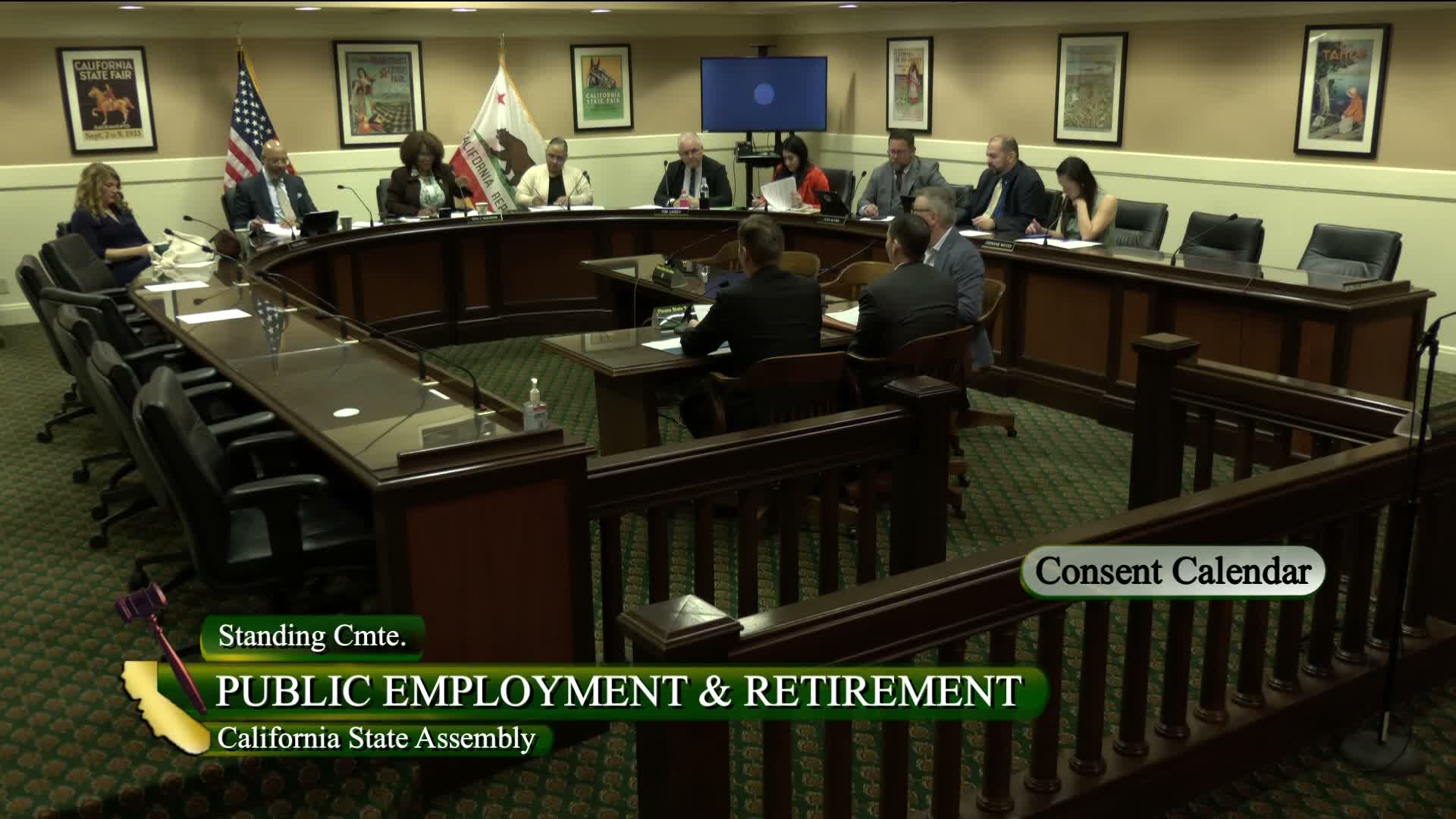
After closing statements, the committee voted to pass AB 1564 and refer it to Appropriations. The clerk reported the bill out of committee with a 7‑0 tally.
Next steps: Referred to the Appropriations Committee for fiscal review and to resolve identified scope and exception questions.