Senate passes bill to create coordinated supports for youth aging out of foster care
Loading...
Summary
The Senate on March 6 approved House Bill 47 30, directing the Department of Human Services to consult with contracted providers to develop and maintain a coordinated continuum of independent living and transitional supports for youth exiting foster care; the vote was unanimous on the floor.
CHARLESTON — The West Virginia Senate on March 6 passed Engrossed House Bill 47 30, a bill that requires the Department of Human Services to consult with contracted independent‑living and transitional service providers to develop and maintain an integrated continuum of supports for youth preparing to leave foster care or who have already aged out.
Senator Fayette, who introduced the bill on the floor, framed the measure by citing research on adverse childhood experiences (ACEs): "Research has shown the exposure to high levels of ACEs is strongly related to chronic health conditions such as obesity, heart disease, mental health issues, lower educational achievement, and risky behaviors," the senator said, arguing that coordinated services can improve educational, employment and housing outcomes for this population.
The senator also noted that members of the Children’s Home Society and several young adults served by that organization were present in the gallery during the session. On the floor, the sponsor said the bill aligns state practice with federal and national efforts to provide supports that help youth transition from foster care to stable adulthood.
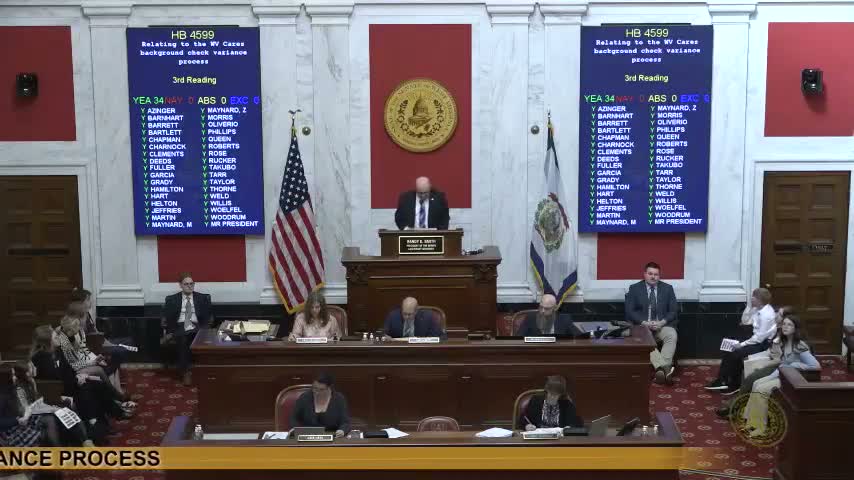
On the third reading the Senate voted in favor of the bill; the clerk recorded 34 yeas, 0 nays and the chair declared the bill passed. The measure directs the Department of Human Services to consult contracted providers and maintain the continuum of services; the transcript does not specify a funding amount or an implementation timeline.
Next steps include the department’s consultation with providers and any subsequent rulemaking or guidance needed to implement the coordinated continuum of services.