Get Full Government Meeting Transcripts, Videos, & Alerts Forever!
Get email alerts on the Ai Traffic topic
No spam. Unsubscribe anytime.
Huber Heights council authorizes AI traffic-management pilot on Brant Pike; officials stress no facial recognition
Summary
Council voted to authorize a pilot agreement with Cyber Castle to deploy an AI-enabled traffic-management system on Brant Pike for vehicle counts and signal optimization; council members asked staff about privacy and whether the system would perform facial recognition.
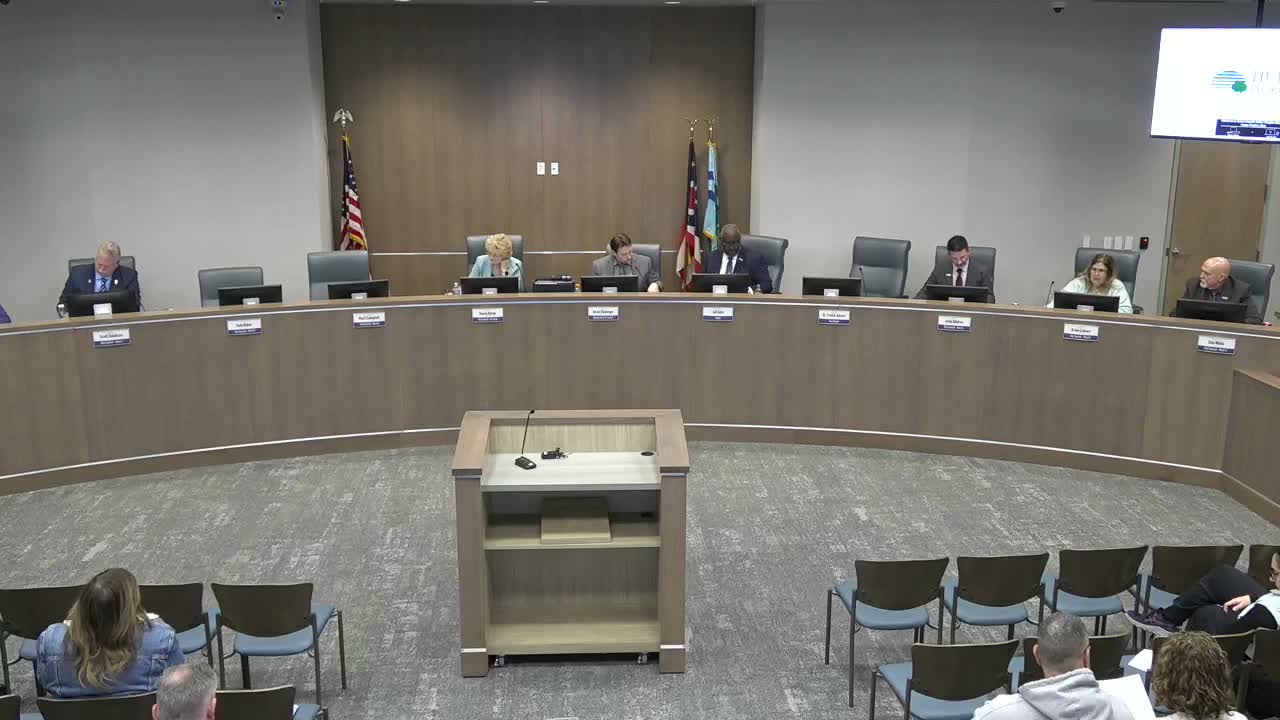
The Huber Heights City Council on Feb. 23 approved a resolution authorizing the city manager to enter into an agreement with Cyber Castle to pilot an AI-enabled traffic-management system on Brant Pike.
City Manager John Russell described the project as a study and pilot to evaluate an AI-capable traffic-management solution given the age of the city's existing controllers. "This was our best-case scenario given the age of our existing traffic control infrastructure," Russell said during council discussion.
Council members asked staff to clarify what the pilot would record and how privacy would be protected. One council member noted, "That's not facial recognition or license plates," to stress limitations; staff clarified the pilot is intended to gather vehicle counts and optimize signal timing rather than perform facial recognition. Another council member asked staff to move quickly to address any congestion or unanticipated impacts on nearby corridors and to report issues to council.
The resolution was moved and seconded and approved by roll call (vote recorded as unanimous among present members). The council work session recommendation had been to adopt the item. No ordinance number was specified in the record; the approval was recorded as a resolution authorizing a contract for the pilot program.
Why it matters: the pilot could change how the city manages signal timing and congestion; residents and privacy advocates will likely want details about data retention, what images (if any) are stored, and whether license-plate data will be captured and retained. Council requested updates if pilot operations cause downstream traffic impacts.