Get Full Government Meeting Transcripts, Videos, & Alerts Forever!
Get email alerts on the School Budget topic
No spam. Unsubscribe anytime.
Peabody officials flag health‑insurance and wage risks as draft FY27 budget shows $3.7M disconnect
Summary
Business manager Sam Rippin told the committee the district is about 36% spent at midyear and flagged health‑insurance bills and unsettled wage contracts as risks; superintendent Dr. Vedala highlighted a roughly $3.7 million gap between the draft budget and required net school spending and outlined advocacy for higher Chapter 70 aid.
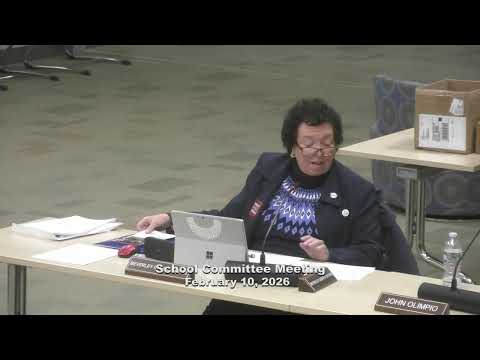
Peabody business manager Sam Rippin told the School Committee Feb. 10 that the district’s midyear fiscal picture is broadly on track — roughly 36% spent midway through the year — but that health‑insurance bills and wage settlements pose material risks to the budget.
Rippin said he had received two quarterly health‑insurance bills that suggested a run rate near $15 million against a budgeted figure of about $13 million, and he estimated that difference could translate to a shortfall on the order of $600,000 if offsets do not appear. He also identified unsettled wage items and paraprofessional negotiations as a pressure point and said the district would monitor emerging numbers closely.
"I got the first two quarter bills... call it 7 and a half million dollars. Multiply that by two, you're at 15. Fifteen is more than 13," Rippin said during his executive summary. He added that payroll timing explains why the district was about 36% spent at midyear: payroll cycles and summer payouts make percent‑spent figures misleading without context.
Superintendent Dr. Vedala presented Draft 1 of the FY27 budget and said the district is now classified as a minimum‑aid district for Chapter 70 funding. Vedala said Peabody received a modest Chapter 70 increase — about $75 per pupil this year, roughly $430,000 districtwide — but that the draft budget currently exceeds the state's required net school spending by about $3.7 million. Vedala said district leaders plan to press state lawmakers for increased per‑pupil aid and to identify non‑salary reductions and attrition savings before recommending further cuts.
Vedala described several advocacy options, including seeking a higher per‑pupil minimum and broader increases in unrestricted government aid. He told the committee staff will meet with principals and directors to identify non‑salary cost reductions and potential savings from retirements and attrition.
What happens next: the committee will receive updated health‑insurance rate information next week and will continue budget work sessions with city leaders and principals through the spring. No formal votes on the FY27 draft were taken at the Feb. 10 meeting.