
BOE seeks $154,000 to implement wildfire‑related Prop 13 intergenerational transfer change
Get AI-powered insights, summaries, and transcripts
Sign Up Free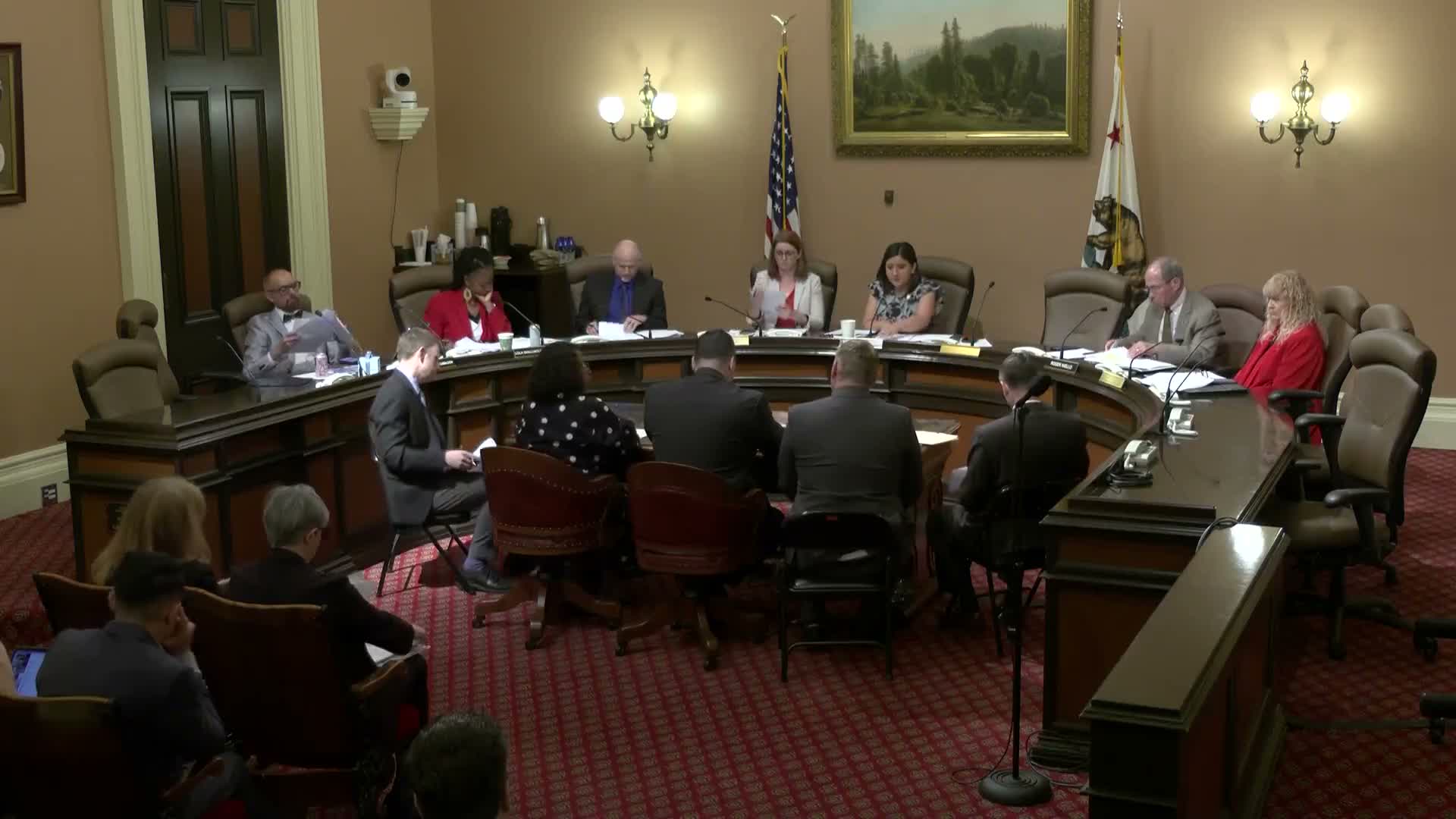
Summary
The Board of Equalization asked the subcommittee for $154,000 one‑time to implement SB 293, which extends time for wildfire‑affected families to claim Prop 13 intergenerational base‑year transfers; BOE said Los Angeles County estimates thousands of affected homes but the count of unrecorded transfers remains unknown.
The State Board of Equalization told the Senate subcommittee it needs $154,000 in one‑time funding to implement Senate Bill 293, which grants additional time to wildfire‑affected homeowners to claim intergenerational transfers of an advantageous Prop 13 property tax base when deed recordings were missed.
David Young, deputy director of BOE's property tax department, said the agency must issue guidance to 58 counties, update public materials, and respond to an expected increase in taxpayer inquiries. "Our request is straightforward," Young said, describing three core responsibilities: formal guidance to county assessors, public information updates, and administrative review for consistent implementation.
Committee members pressed BOE on case counts and outreach. Young said LA County is working through wildfire relief cases and has catalogued the universe of affected homes but that the subset involving unrecorded intergenerational transfers will be discovered as assessors process claims. Yvette Stowers, BOE executive director, said the policy specifically targets families who lost recorded deeds during wildfires and emphasized coordination with county assessors and education for affected communities such as Altadena.
BOE characterized the request as an implementation cost, not a program expansion, and said the work is time‑sensitive because statutory changes include sunset and triggering timelines.
The subcommittee held the item open for consideration and follow‑up questions about likely caseloads and future funding needs.