Get Full Government Meeting Transcripts, Videos, & Alerts Forever!
Get email alerts on the Charter Amendments topic
No spam. Unsubscribe anytime.
Rockwall council sends multiple charter amendments to May 2, 2026 ballot, approves competitive-bid language for solid-waste contract
Summary
Council directed several charter changes—some proposed by the Charter Commission and some by the mayor—to be placed on the May 2, 2026 ballot, including a change from plurality to majority elections, a requirement to competitively bid solid-waste contracts every five years, and several procedural updates; some proposals were withdrawn or rejected.
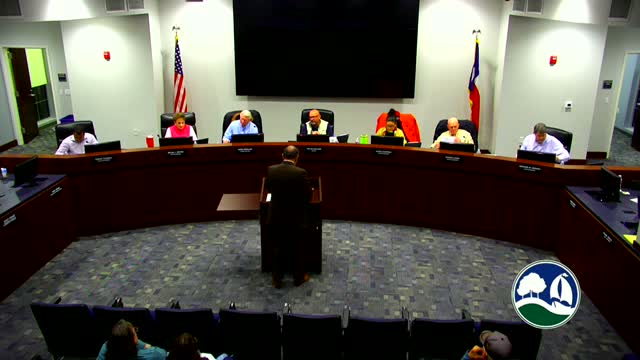
The Rockwall City Council on Dec. 1 voted to advance several proposed charter amendments to a May 2, 2026 city ballot, approving measures that range from technical updates required by state law to a new charter requirement that the city competitively bid its solid-waste contract at least every five years.
The council unanimously approved a package of technical revisions, which city attorney Frank Garza said are necessary to bring the charter into compliance with state law. Garza also explained that a charter requirement to competitively bid the solid-waste contract would close a state-law exemption for public-health-and-safety contracts.
The council approved, 5–2, a change to require a majority vote (rather than plurality) in municipal elections for mayor and council seats. The mayor and several council members argued a majority rule better fits city size; opponents warned of the expense and potential voter dropoff for runoff elections.
Other actions included a motion — passed by council — to limit any automatic vacancy-on-candidacy rule to municipal offices only (so councilmembers running for other municipal offices would vacate upon canvass of the new municipal office), and several procedural changes passed unanimously: requiring the council to appoint a charter review commission at least every 10 years, extending city-secretary review of petitions from 21 to 30 calendar days, and allowing the council to adopt non-substantive, technical charter revisions by ordinance rather than always sending them to voters.
What failed or was withdrawn: A mayoral proposal to require council confirmation for all department directors drew strong opposition from several council members concerned about politicizing department staff; the mayor withdrew that proposal. The Charter Commission recommendation to increase a consecutive-term cap from four to five (allowing a longer combined service stretch for officials who move between council and mayor) was rejected by the council.
Why it matters: These charter changes will appear on the ballot for voters to decide next May. The competitive-bid language for the solid-waste contract directly responds to public anger over how the current contract was negotiated and is intended to ensure future contracts face periodic competitive review regardless of state exemption.
Next steps: City staff will prepare charter ordinance language for the first meeting in January so the council can place the measures on the May ballot and provide explanatory materials to voters.