Get Full Government Meeting Transcripts, Videos, & Alerts Forever!
Get email alerts on the Zoning Public Notice topic
No spam. Unsubscribe anytime.
Cody council approves first readings to expand notice area and posting requirements for special exemptions and rezones
Summary
The City of Cody approved first readings of four ordinances that expand mailed-notice radius to 300 feet and add on-site sign and longer notice periods for special exemptions and related zone-change procedures. Council debate centered on whether 21 days is excessive and on owner-notification costs.
Council members on Tuesday advanced a package of ordinance changes aimed at widening public notice around zoning actions and special exemptions.
City staff explained the package — codified across Ordinances 2026-01 through 2026-04 — would increase the mailed-notice radius for special exemptions and some rezones from 140 feet to 300 feet, require a city-provided sign posted on portions of the property that border adjacent roadways, and align protest thresholds and approval mechanics with the larger notification area. Staff said the sign will be provided and paid for by the city.
“These changes are intended to give neighbors more notice and an opportunity to participate,” said Mr. Kopecky, the staff presenter, who walked council through the committee recommendations and the notification mechanics. He said the proposed changes also require publication in the local newspaper and that in many cases the city already requires mailed notices.
Council members debated costs and timing. Council Member Lang analyzed how the expanded radius would increase the number of mailed notices — using his property as an example to show a jump from eight to 33 affected addresses — and asked whether the added expense and publicity requirements would fall to applicants. Staff said certified-mail and publication costs remain the applicant’s responsibility, though the city will supply the yard sign and the new notice periods will be counted backward from hearing dates.
The proposed change also lengthens the public-notice window: the package recommends 21 days’ notice before council hearings for special exemptions where previously 10 days was typical. Some council members said 21 days was prudent to ensure residents have time to respond if they are out of town; Council Member Lang suggested 14 days as a compromise but did not offer an amendment at the meeting. Council Member Sweat said she supported 21 days for exceptions outside the norm that may have more substantial neighborhood impacts.
Members of the public who addressed council urged broader notice and longer notice periods. “Public notice isn’t a burden. It’s a basic safeguard,” said Carla Abelhoff, who told council that conditional-use permits and special exemptions can have long-term impacts on traffic, property values and quality of life and that a 300-foot radius and 21-day sign requirement are reasonable transparency measures. Colin Petit also supported expanding the notice period.
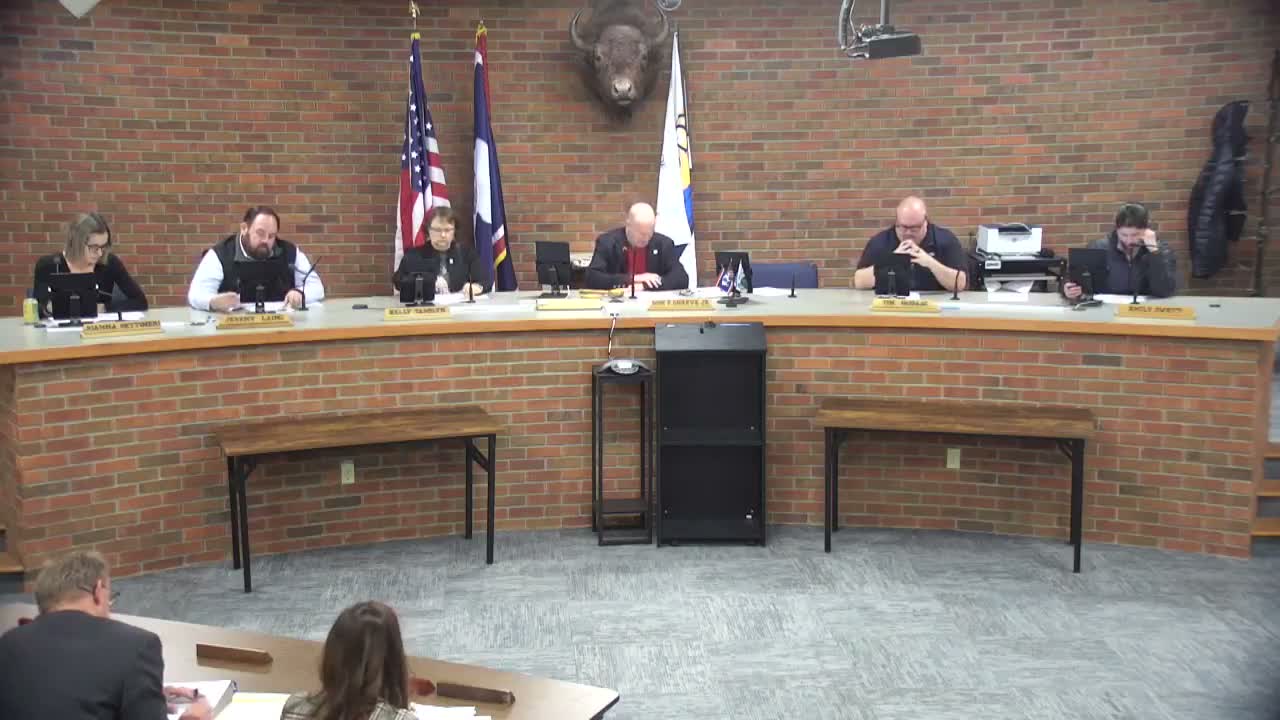
Council advanced the ordinances on first reading by voice vote after discussion; no amendment to shorten the notice period was adopted. The package now proceeds to the next steps required by ordinance procedure.
The council president said the committee spent time on the measures during work sessions and that the group used state averages and prior committee input in drafting the changes. Staff noted that the 300-foot radius aligns with other municipal practices and that protest thresholds and a three-quarter-vote requirement for certain approvals were not being altered except insofar as they reference the notification area.
Next steps: the measures will return for subsequent readings as required by the municipal code.