Get Full Government Meeting Transcripts, Videos, & Alerts Forever!
Get email alerts on the Labor Employment topic
No spam. Unsubscribe anytime.
Memphis council sends library civil-service referendum to voters after worker testimony
Summary
The Memphis City Council approved a referendum to amend the city charter so many Memphis & Shelby County Public Library positions would be classified as civil service; supporters said authorization cards show roughly 70% support, while the city attorney said affected employees would likely need to reapply for newly created civil-service positions.
The Memphis City Council voted Feb. 24 to place a referendum before voters that would change the classification of many Memphis & Shelby County Public Library employees to civil service.
Councilman Jeff Smiley moved the ordinance (Ordinance No. 5966) onto the floor after organizers and library staff testified they had collected authorization cards showing about 70% support among non‑supervisory workers. "We have spoken to every single library worker...we have 70% of people who have signed authorization cards and want to have civil service," said an organizer who identified herself at the podium.
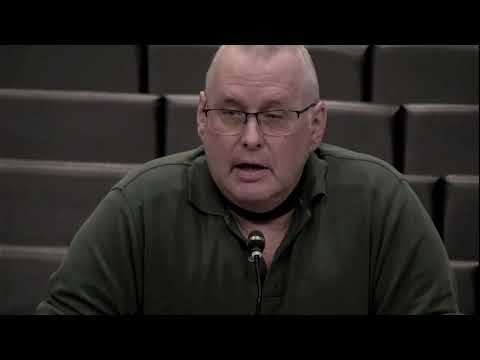
Longtime library employee Wayne Dowdy told the council he had worked in the system for more than three decades and described a historical debate over civil-service protections. "I am for civil service because it is democratic and it provides equality to all city employees," he said.
Council members pressed organizers and city staff about how many employees had been contacted and whether the city had given systemwide written notice about the effect of the charter change. Councilwoman Walker asked whether there had been an "electronic, systemwide" communication; organizers said they had repeatedly engaged workers in person and by card drives but that written documentation from Human Resources has been limited.
City legal staff read the charter language on the record (article 34, section 12) and told the council that converting positions to civil service would create new civil-service positions. "To join those positions, you have to be subject to a job-related application," said the attorney, noting that the charter language contemplates competitive, job-related examinations and that employees would, as a practical matter, have to reapply for newly created civil-service roles.
That possibility — that employees who currently hold appointed positions could be required to apply and compete for the new civil-service jobs — was a central point in council debate. Vice Chair Carlisle and others said they believed civil service is an "archaic" mechanism and urged consideration of alternatives such as improved arbitration, mediation or other reforms. Supporters argued the referendum would give library staff a path to protections they lack under appointment rules and that the change would let the public decide.
After debate, the council approved the referendum ordinance by roll-call vote. The ordinance will appear on the ballot as the council directed.
What happens next: If the referendum is approved by voters, the city attorney warned that the charter’s language would require the creation of civil-service positions and related application processes; the council directed staff to make information available and discuss outreach so affected employees would be notified of any procedural changes.