Get Full Government Meeting Transcripts, Videos, & Alerts Forever!
Get email alerts on the Public Safety topic
No spam. Unsubscribe anytime.
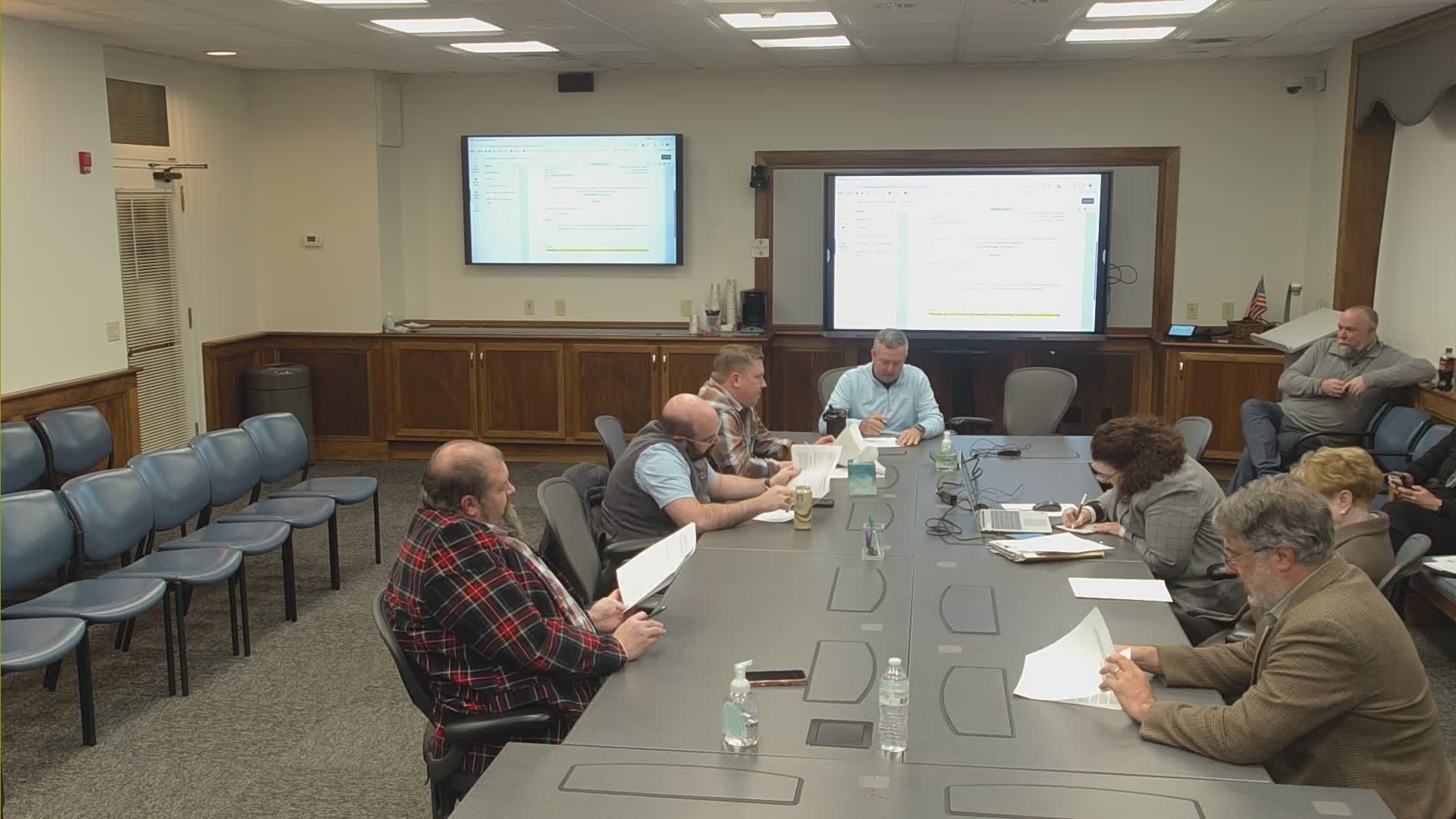
Committee moves Bill No. 8,061 to restrict fireworks in city parks
Summary
The Committee on Ordinance and Rules voted to move Bill No. 8,061, which would prohibit discharging fireworks in city parks or on city-owned property without approval. The sponsor cited safety and damage to expensive turf fields; the motion passed by voice vote.
The Committee on Ordinance and Rules voted to move Bill No. 8,061, a proposed amendment that would prohibit the use of fireworks in city parks or on city‑owned property without prior approval.
Caitlin, the bill sponsor, told the committee the proposal responds to constituent complaints and safety concerns. "So, it is both a safety concern, for people as well as a protection of the investments that we've made at our city parks specifically when it comes to the turfing of the fields," she said, adding the city had spent "millions of dollars" on turf that had been damaged by people setting off fireworks at Cato Park, Canal City Rec Center and Danner Meadow Park.
Committee members debated scope and enforcement. One member noted that existing rules allow fireworks on private property provided they are not within 100 feet of a structure and are limited to certain days: Memorial Day, Independence Day, Labor Day and Jan. 1. The committee clarified the bill targets fireworks on city parks and city property, not private‑property use where existing limits apply.
The chair noted the city attorney was present; Jason, an assistant city attorney, identified himself to the committee. After brief discussion, a committee member moved to advance Bill No. 8,061 and it was seconded. The chair called for a voice vote; several members answered "Aye" and the chair concluded the motion passed, advancing the bill out of committee.
No final adoption occurred at the meeting. The committee recorded the sponsor's public safety and turf‑protection rationale and moved the ordinance forward for the next procedural step.