Get Full Government Meeting Transcripts, Videos, & Alerts Forever!
Get email alerts on the Municipal Budget topic
No spam. Unsubscribe anytime.
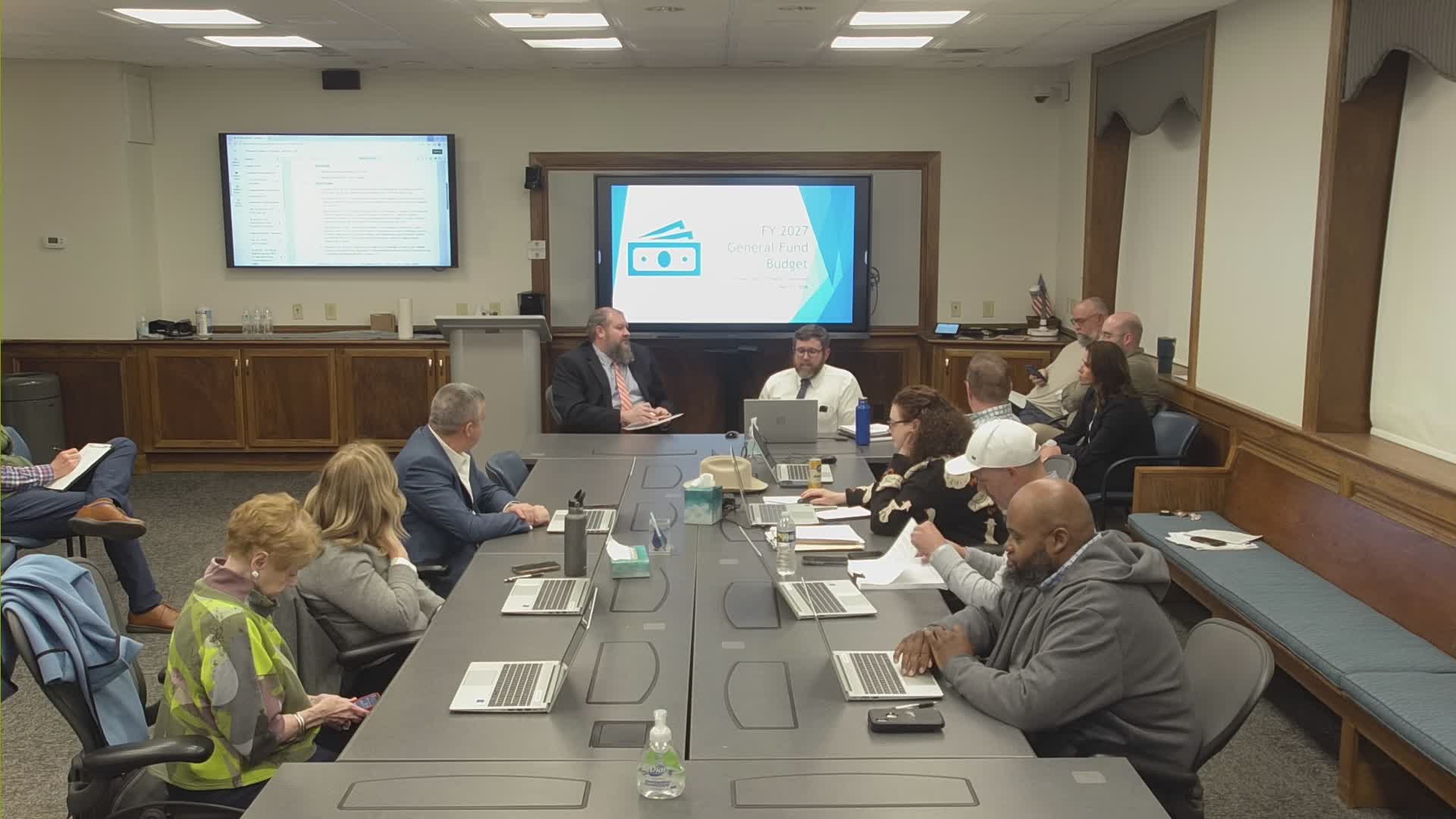
Finance Director Andy Wood unveils $113.6 million FY2027 budget; city completes $15 starting wage
Summary
Finance Director Andy Wood presented the City of Charleston’s $113.6 million general fund budget for fiscal 2027, saying it requires no tax increases while completing a multi‑year plan to raise the starting wage to $15 for full‑time city employees and redirecting sales tax to an OPEB trust to shore up retiree health liabilities.
Finance Director Andy Wood presented the City of Charleston’s proposed FY2027 general fund budget, saying the $113,600,000 plan includes no new taxes or fees and completes a multi‑year plan to ensure the city’s starting wage for full‑time employees reaches $15 an hour.
Wood told the Finance Committee the city’s audited net position has improved markedly, from a negative $451 million in 2018 to about negative $69 million in the 2025 audit, and called that improvement a positive signal for future bond reviews. “We potentially could have a positive net position here in the next couple of years,” he said, noting that structural changes to pension funding helped reduce long‑term liabilities.
The director said the budget relies heavily on business & occupation tax, which makes up nearly half the general fund, and anticipates stable revenue though some high‑growth years used to compile prior budgets are tapering. He also highlighted a boost in ambulance revenue after the city switched ambulance billing vendors, calling the new results “very positive.”
On payroll and benefits, Wood said the budget completes the final increment to reach a $15 starting wage that began in 2024. “There’s currently 22 positions that make under $15 that will get that bump,” he said, adding the final 50¢ step costs about $969,000 across all departments and equates to roughly $1,040 per full‑time employee annually.
To address retiree health liabilities, the administration proposes redirecting a portion of dedicated sales tax receipts into an OPEB (other post‑employment benefits) trust and using an employer health care reserve fund. Wood projected the fund’s beginning balance in 2027 at about $30.3 million and said the trust would allow about $10.7 million in retiree health expenses to be paid from the trust rather than the general fund.
Wood also described recruitment and retention measures for police and fire, including a phased milestone pay schedule, $15,000 hiring incentives for certified recruits paid over installments, night‑shift premiums, and a deferred retirement option (DROP) for legacy pension members that staff will design to be actuarially neutral.
Capital and operating highlights in the proposed budget include roughly $7.8 million in equipment purchases (about $2.6 million for fire vehicles and station equipment), 15 police patrol vehicles to support the take‑home car program, continued dedication of $3 million annually to a paving fund for a seventh consecutive year, and contributions for turf maintenance and facilities maintenance.
Wood said the levy rate is expected to remain the same once the assessor’s values are received on March 3 and reminded the committee that the formal levy will be laid at the council’s special meeting on April 21. He closed by inviting committee members to submit follow‑up questions as they review the budget.
“The city of Charleston is in its best financial position it has been in 20 years,” the mayor added during his opening remarks, thanking staff for the work that produced the budget.