Get Full Government Meeting Transcripts, Videos, & Alerts Forever!
Committee sends manufactured‑home protections to floor after heated debate over 3% rent cap and first‑purchase rights
Summary
S.F. 26‑91, a package to cap annual lot‑rent increases at 3% with narrow exceptions, establish resident purchase options and clarify owner duties, passed out of committee after extensive testimony from residents, housing advocates and park‑owner representatives and several failed amendments.
The committee recommended S.F. 26‑91 to the Senate floor following lengthy testimony and debate about proposed rent‑increase limits, resident purchase windows and enforcement provisions for manufactured‑home communities.
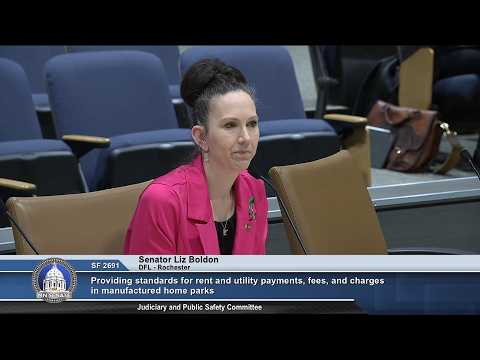
Senator Bolden, the bill’s sponsor, said the measure restores a reasonableness presumption to rent increases, establishes a 3% annual cap, creates clearer resident‑purchase processes, and strengthens enforcement of…
Already have an account? Log in
Subscribe to keep reading
Unlock the rest of this article — and every article on Citizen Portal.
- Unlimited articles
- AI-powered breakdowns of topics, speakers, decisions, and budgets
- Instant alerts when your location has a new meeting
- Follow topics and more locations
- 1,000 AI Insights / month, plus AI Chat