Get Full Government Meeting Transcripts, Videos, & Alerts Forever!
Get email alerts on the Land Use Gravel Pit topic
No spam. Unsubscribe anytime.
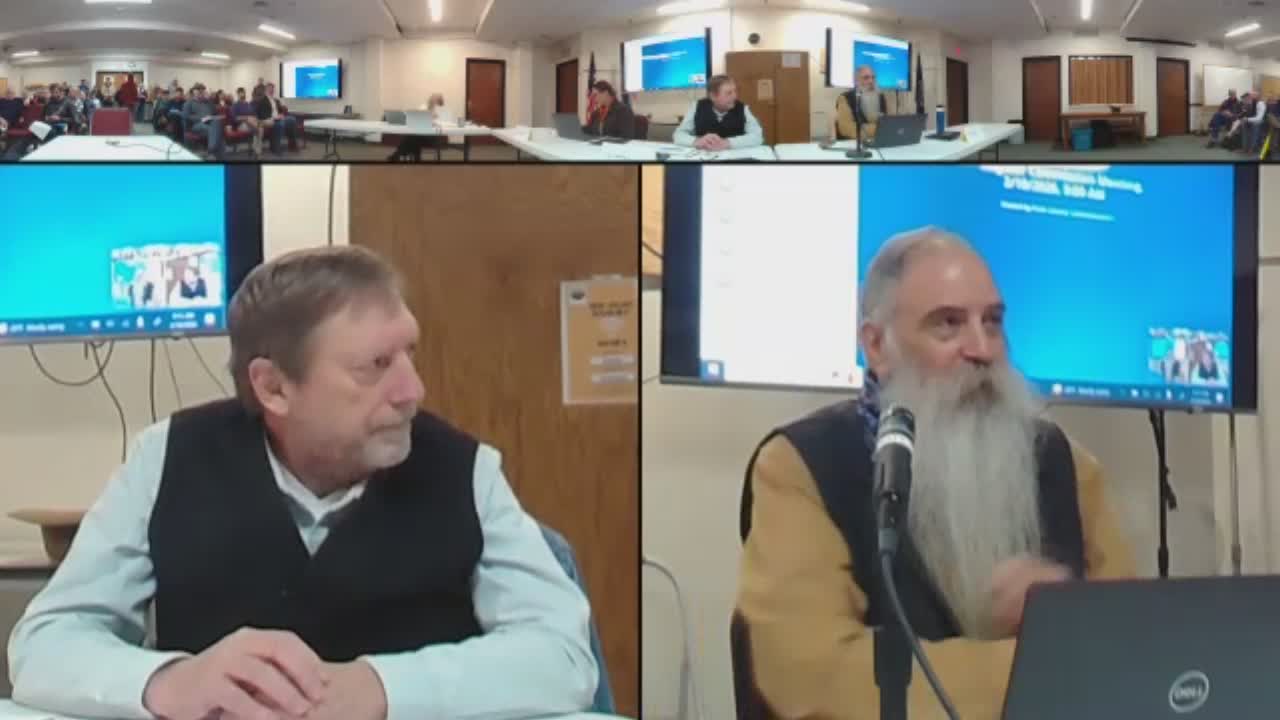
Paradise Valley gravel-pit idea draws strong opposition; commission tables action for more public process
Summary
Residents, environmental groups and local experts urged commissioners to reject or slow a proposed gravel pit on state land in Paradise Valley citing traffic, wildlife, dust and groundwater risks; commissioners closed public comment and indicated the item is tabled pending more DNRC/DEQ information and additional public meetings.
A proposal surfaced that Yellowstone Park is seeking a local gravel source for upcoming road work, and the Park County Commission opened an extended public-comment period on Feb. 10 after a commissioner said the idea had come through the governor’s office.
Commissioner Brian (identified by the chair) described potential county benefits from a nearer gravel source and asked for more DNRC detail, but residents, conservation groups and technical experts urged a cautious process and in many cases voiced firm opposition.
Sherry Kepner told the commission she feared large-truck traffic at the Trail Creek/Highway 89 South intersection and urged engineering that could include a traffic signal; “The thought of the large trucks entering onto the highway frightens me,” she said. Several speakers raised similar safety worries for bicyclists and residents who use Old Yellowstone Trail as a non-highway route.
Environmental concerns were raised repeatedly. Max Yertzberg of the Park County Environmental Council said the draft letter of support lacked specifics and asked what exactly the county would be committing to in signing. He also questioned whether Yellowstone National Park required a new pit, noting previous projects that used existing material sources.
Galen Nicholson recounted a nearby open-cut gravel-mine permitting experience and pointed to legislative changes under House Bill 599, saying the 2021 rules reduced some environmental oversight and compressed DEQ review timelines. “As this law has actually kind of materialized, on the ground it turns out that the mine that we live next to was permitted without public meetings… it was permitted in 35 days,” he said, warning that compressed review windows make citizen participation difficult.
Public-health and technical concerns were raised about dust and silica. Sandra Lambert told commissioners that crystalline silica from crushing operations can travel miles and pose health risks to people and livestock downwind. Water worries were also frequent: Jessica Lexo, who lives within a half-mile of the proposed area, said her well is 500 feet deep and that excavation could affect deep groundwater wells serving multiple properties.
Other commenters including ranch managers and homeowners detailed potential impacts to grazing, noise and property values; several urged alternatives such as conservation easements or other uses of public land that would preserve recreational access and tourism value.
After extended comment, the chair closed public comment, confirmed there was a motion to table the county’s letter, and said the county would pursue additional public meetings (including at Immigrant Hall), obtain DNRC and DEQ information, and archive all written comments and emails for the record. The commission did not take a final vote on supporting the gravel proposal at the meeting.
Key authorities and technical actors discussed in testimony included the Montana Department of Natural Resources and Conservation (DNRC), the Montana Department of Environmental Quality (DEQ), and House Bill 599 (2021) as relevant to permitting and notification rules.
Next steps: commissioners said they will organize further public meetings in Paradise Valley, request detailed project scope from DNRC, and preserve all public comments in the commission record.