Get Full Government Meeting Transcripts, Videos, & Alerts Forever!
Get email alerts on the Land Use topic
No spam. Unsubscribe anytime.
Park County approves three‑lot 'subsequent minor' subdivision in Sandstone Bluffs
Summary
Park County officials approved a three‑lot subsequent minor subdivision in the Sandstone Bluffs area on March 10, 2026, subject to an engineered creek crossing for Lot 3 and a requirement that applicants submit a groundwater appropriation notice of intent to state reviewers (transcript acronyms: DRC/DNRC).
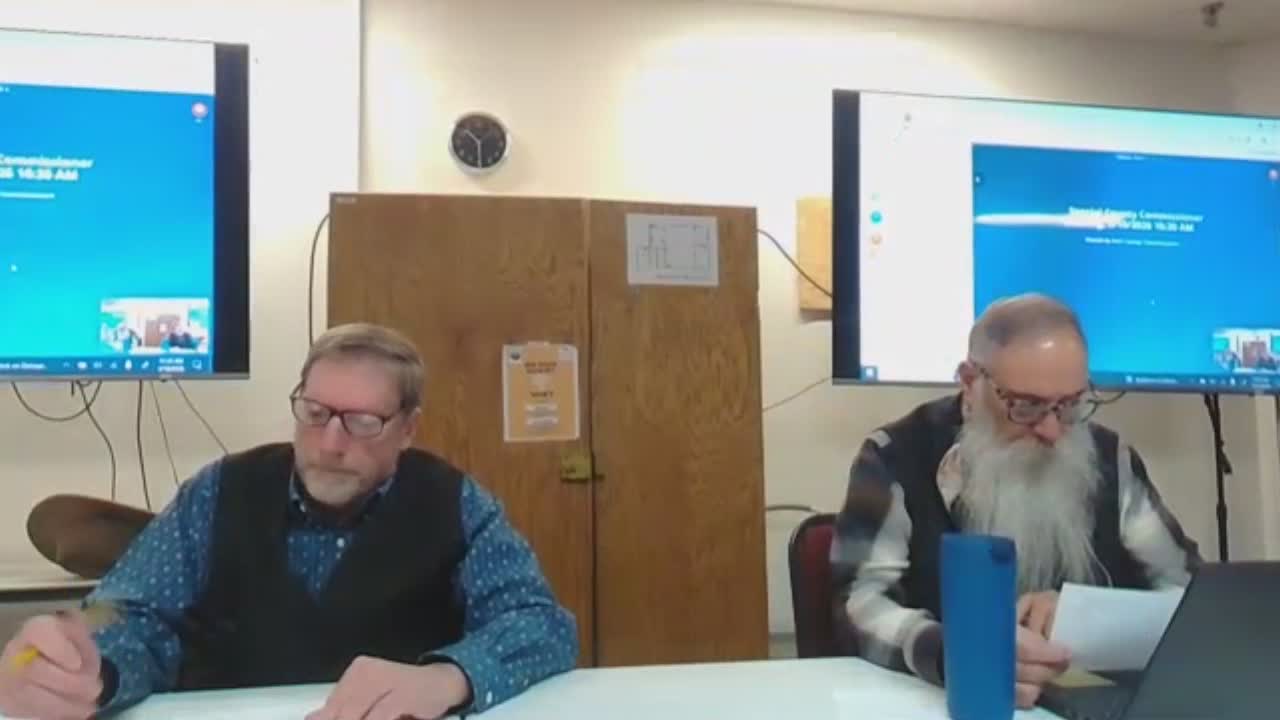
Park County approved a three‑lot subsequent minor subdivision in the Sandstone Bluffs area during a March 10, 2026 meeting, with staff conditions that include an engineered crossing for an intermittent creek and a state groundwater notice of intent before final approval.
County staff member Mike told the group the proposal divides existing property off Basin Trail — a private road that has been dedicated for public use — into three lots ranging from roughly 7 to 12 acres. Mike said internal road work would include a cold‑sack road and cul‑de‑sac; no parkland dedication was required because each lot exceeded five acres. He said many routine requirements (right‑of‑way maintenance, weed management plans) already apply to the subdivision, so staff did not replicate those conditions in the approval.
Mike flagged a creek called Slaughterhouse Creek, which he described as intermittent and subject to storm runoff. Given site topography, he said staff required the applicants to design and install an engineered crossing for the third lot as part of final approval. On water, Mike said the applicants limited irrigation to areas immediately around structures and referenced a transcript phrase of "10 equity per year" for combined domestic and irrigation use; the transcript did not clarify that term and the precise water‑use limit was not otherwise specified in the record.
Mike also said a new state requirement had come into effect after the application was deemed sufficient. The transcript uses the acronyms "DRC" and later "DNRC" when discussing the state review process; Mike said staff would require the applicants to submit a groundwater appropriation notice of intent to the relevant state reviewer as a condition of final approval.
A commissioner asked whether the applicants planned to build on each lot or sell them; a speaker in the record answered that they would probably sell at least the first lot. Mike said staff and the planning board had conducted a site visit, though travel and weather limited attendance by planning board members. Mike told commissioners the planning board recommended approval with the staff conditions in the packet.
A motion to approve the subsequent minor subdivision (the motion text in the transcript: "I make a motion that we approve the space of the ground level subject to Niagara Subdivision") was moved, seconded and carried by voice vote. After the vote, the chair called for any further comments and the meeting moved to adjournment.
Next steps: the approval carries conditions to be satisfied before final plat recording — notably the engineered crossing for Lot 3 and submission of the groundwater appropriation notice of intent for state review — and final approval is contingent on those items.