Get Full Government Meeting Transcripts, Videos, & Alerts Forever!
Get email alerts on the Judicial Budget topic
No spam. Unsubscribe anytime.
Judicial branch warns of rising caseloads and asks for retirement spending authority, technology funding
Summary
The Joint Senate Finance and House Appropriations committee heard that Idaho courts face rising civil caseloads, unanticipated magistrate retirements requiring an $800,700 increase in retirement spending authority, and ongoing costs from ARPA-funded technology projects moved into dedicated funds.
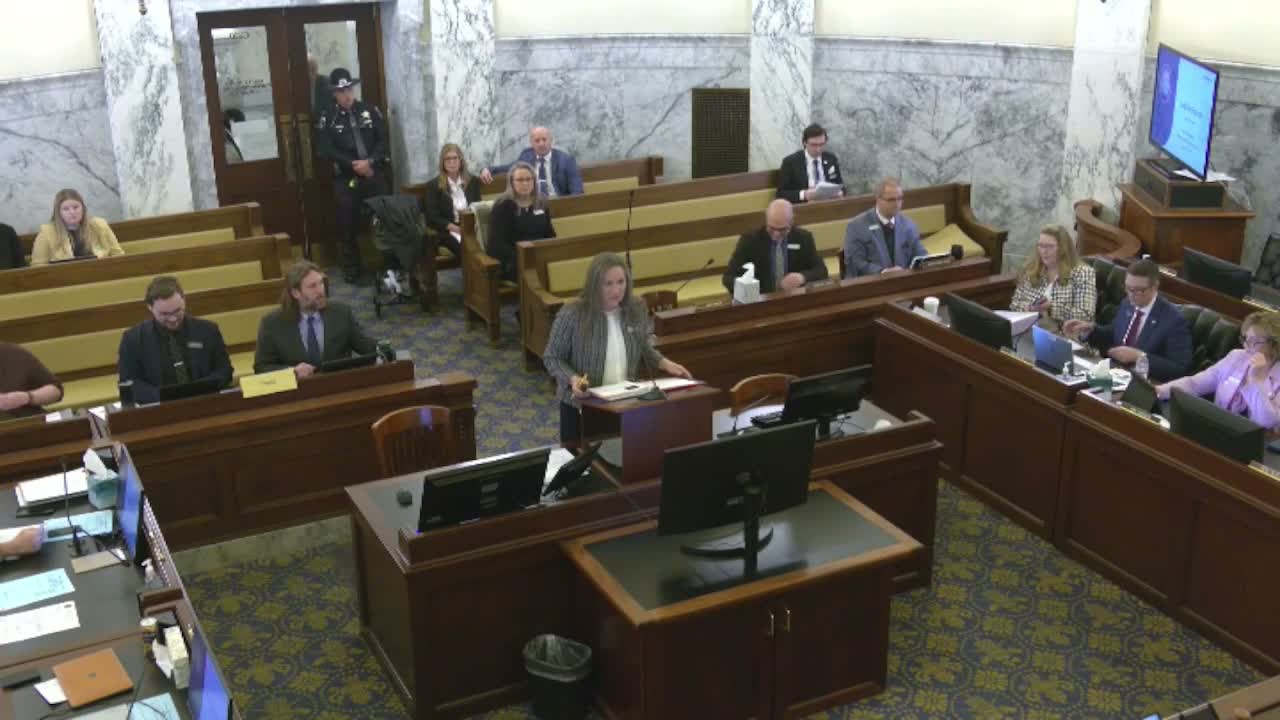
The Joint Senate Finance and House Appropriations committee heard Monday that Idaho's courts are seeing a sustained rise in filings and are seeking additional spending authority to cover retirement and technology costs.
Janica Bisharat, a budget and policy analyst with the Legislative Services Office, told the committee the judicial branch received about $19 million in ARPA funds in fiscal 2023 to modernize its IT systems and that those projects — including moving the court's case‑management system (Enterprise Justice) and digital‑recording services to the cloud and building a statewide court network — will be fully spent by the end of the calendar year. Bisharat said the court added seven ARPA‑funded field‑technician FTPs and later reassigned those positions to general‑fund lines when the work proved essential.
The Legislative Services Office noted several FY26 enhancements, including nearly $3.9 million for judicial compensation and added judges and reporters in several districts. A late budget request seeks an additional $800,700 from a dedicated retirement fund after seven magistrates announced retirements and six requested a purchase of service that increases retirement payouts. "We didn't have a good calculation and a good count until January," Bisharat said, explaining the timing of the request.
Administrative Director of the Court Sarah Omonson told the committee Idaho courts handled roughly 93,000 civil cases last year and said the branch is "already seeing an 18% increase in civil cases" this year. She said high‑value district court civil cases were up about 60% over two years. Those increases, together with a cluster of magistrate retirements, drove the FY27 spending‑authority request.
Omonson also described sudden cuts to federal and grant funding that support treatment‑court services. She said a federally funded first‑district domestic‑violence court grant was not renewed with roughly seven days' notice, and that peer‑support services previously funded through Health and Welfare and Magellan were eliminated — prompting the court to temporarily use dedicated funds to sustain housing and support services for participants. "We have 12 people in the middle of the program relying on those housing dollars," Omonson said; the court temporarily redirected funds to avoid disrupting those cases.
Committee members probed whether the state's $25,000 purchase‑of‑service bonus was meeting its intent to encourage magistrates to serve full terms; Omonson said that appears to be the case this year, noting an unusually high number of magistrates qualified for the maximum purchase. Lawmakers also asked about a $2.3 million holdback; Omonson said much of the reverted money came from court technology funds and salary savings associated with unfilled reporter positions.
On technology staffing, Omonson said a third‑party review recommended 14 field technicians statewide; courts currently have nine. "If we lost these seven, we'd be in big trouble," she said, describing the operational risk of flying technicians between counties.
Omonson and the analysts warned that, if the legislature enacts the governor's holdback or a 5% reduction, non‑constitutional services such as treatment courts could face cuts. The committee did not take formal action on the requests during the hearing.
Next steps: committee members will consider the court's requests as part of the budget process; the committee adjourned and will resume work at its next scheduled meeting.