Get Full Government Meeting Transcripts, Videos, & Alerts Forever!
Get email alerts on the Liquor Division Operations topic
No spam. Unsubscribe anytime.
Liquor director flags store‑safety fixes, lottery syndicate concerns and pricing impacts on small distillers
Summary
The committee reviewed the Idaho State Liquor Division budget and heard from the director about a warehouse shelving collapse, a request for IT and safety equipment, and concerns about out‑of‑state lottery syndicates and pricing that can disadvantage small distillers.
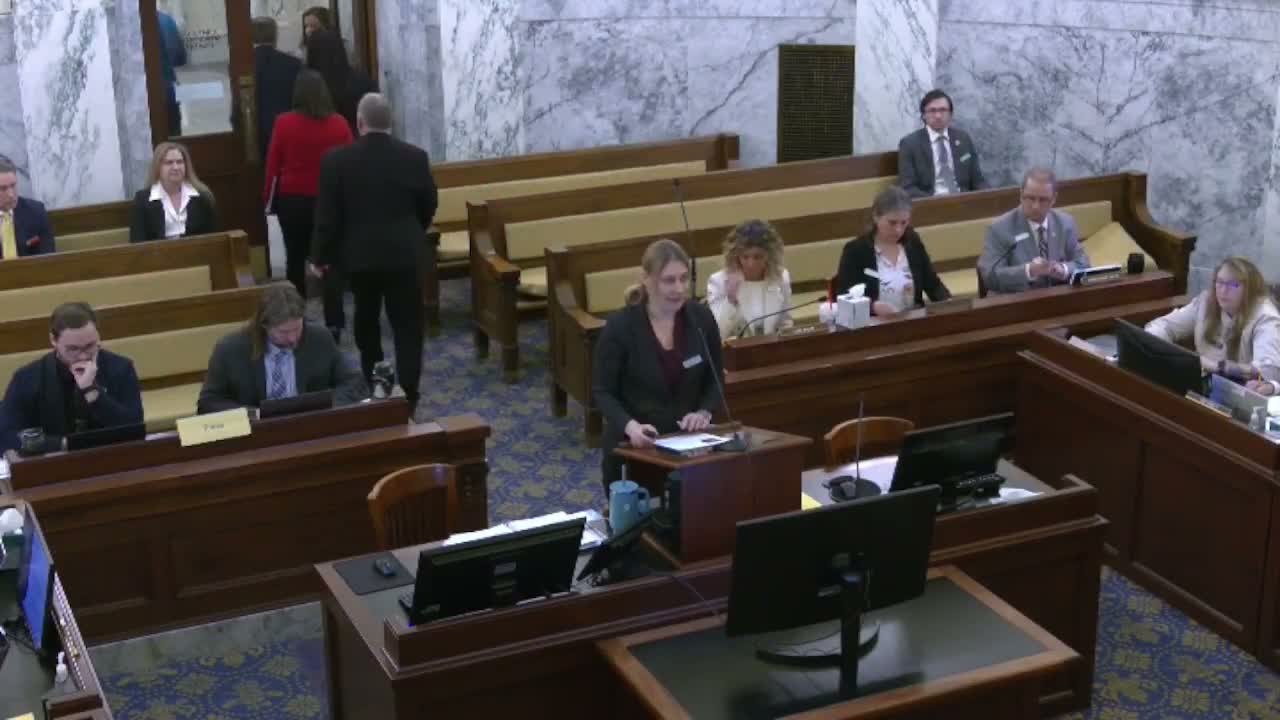
The Joint Finance Committee received a presentation on the Idaho State Liquor Division's FY2026–27 budget that highlighted store and warehouse safety needs, recent personnel and replacement‑item enhancements, and policy questions about lottery syndicates and product pricing.
What happened: Andrew Arullan Endem (name as transcribed) introduced himself as director of the Liquor Division and the Idaho Lottery and described a priority list he transmitted to committee members emphasizing three factors: safety, legal exposure and continued operations. He flagged a shelving collapse at a Magic Valley store (occurred at about 1:27 a.m.; no injuries) and said the warehouse requires safety equipment for higher racks.
Budget context: Analyst Morgan Poloni (name appears elsewhere in the record as 'Paloney') summarized the division's finances, noting the Liquor Control Fund is the division's sole dedicated fund and that in FY2025 statutory distributions to the general fund, cities and counties were $47.7M, $26.6M and $20.7M respectively. FY2026 and FY2027 requests include ongoing personnel adjustments and one‑time asks for replacement items, ADA website work and OITS‑recommended IT/security equipment (including 56 computers and laptops, network replacement components).
Lottery syndicates and ticket limits: Representative Manwaring asked about pending legislation targeting out‑of‑state syndicates that buy bulk lottery tickets. Director Endem said the practice has no direct fiscal impact but harms retailers and communities by concentrating winnings out of state; he told the committee syndicates represent about 1% of business and noted the division enforces a $5,000 per‑person purchase limit with no residency distinction.
Pricing and small producers: Representative Harris raised concerns that the state's tiered markup system can disincentivize small distillers from selling in Idaho. Tony Faraca (chief deputy; the transcript also shows a variant spelling of the name) said markup is applied uniformly but that smaller producers face higher per‑unit production costs and therefore may struggle under the current pricing environment.
Policy options and structure: Representative Bierke asked whether moving to contractor‑run stores or other structural changes is being considered. Endem said he is new to the portfolio, is reviewing options and is open to suggestions, adding he aims to maximize revenue while keeping temperance constraints in mind.
Next steps: The director said he will return to the committee on lottery matters and that the priority list is intended to guide budget decisions; the committee will review the division's maintenance budgets in the next session.