Get Full Government Meeting Transcripts, Videos, & Alerts Forever!
Get email alerts on the Education topic
No spam. Unsubscribe anytime.
Idaho House approves 60‑second moment‑of‑silence bill for public schools
Summary
After extended debate over local control, special‑education students and enforcement, the Idaho House passed House Bill 6 23 on Feb. 24, 2026, requiring a 60‑second, voluntary moment of silence in public‑school classrooms; the measure now heads to the Senate.
The Idaho House on Feb. 24 passed House Bill 6 23, a measure that requires public school classrooms to provide a moment of silence of at least 60 seconds at the start of each school day.
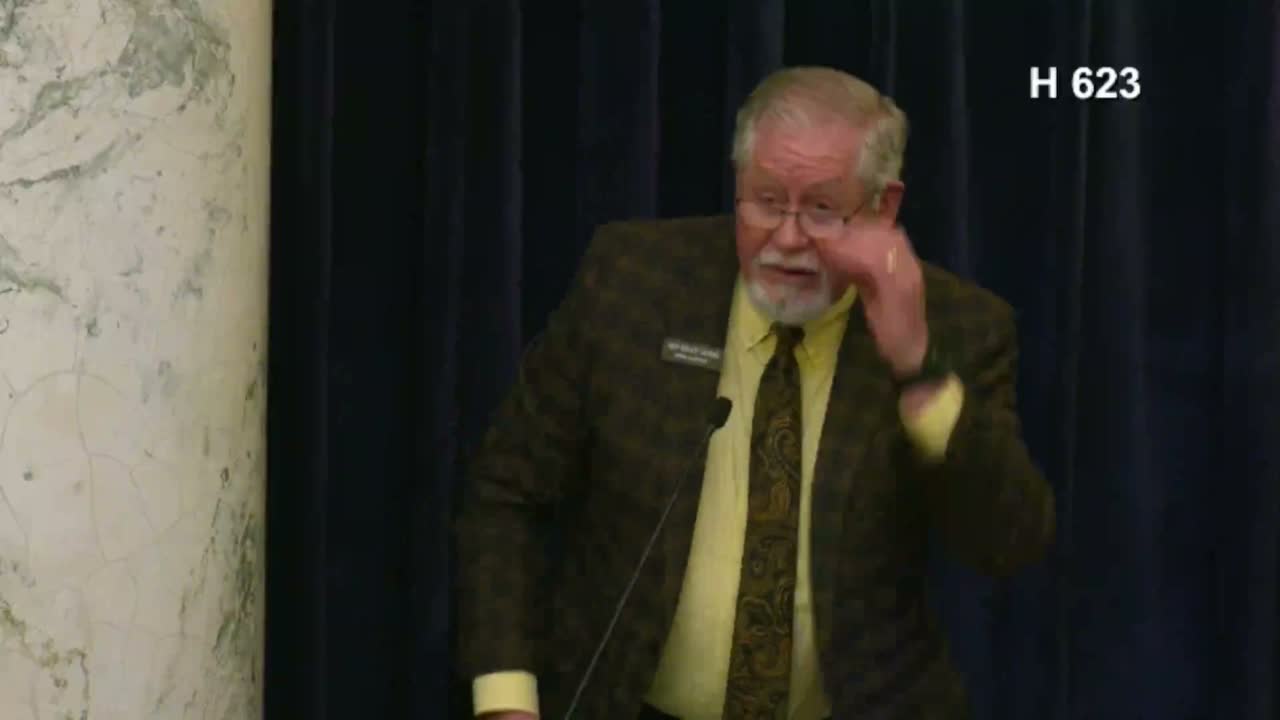
The bill’s sponsor, the representative who spoke from the floor identified in the transcript as the representative from district 10, said the pause is voluntary and intended "to reflect, to meditate, to pray, or engage in some other silent activity," and that "it's the student's choice, so long as they do not interfere with any other student's moment of silence." The sponsor framed the proposal as a small, noncoercive practice adopted in other states and defended it as a tool to support student focus and mental health.
Opponents on the floor raised practical and policy concerns. A lawmaker who identified themselves as having responsibility for students on individualized education programs asked how the bill would affect children with IEPs; the sponsor replied the bill "would not affect IEP students any different than any other student" and said there would be no penalty for teachers or students. Other members warned the requirement could add regulatory burdens on local districts, questioned enforcement and argued the matter might better be handled as a nonbinding resolution.
The House recorded a final vote of 51 yeas, 17 nays and 2 absent; the clerk reported the tally on the House floor and the speaker declared the bill passed. The sponsor said the bill would be transmitted to the Senate for consideration.
Why it matters: the measure creates a statewide, statutory expectation for classroom practice that several members argued touches on local control, teacher workload and accommodations for students with disabilities. Proponents said it is modest and voluntary; opponents said even a 60‑second mandate imposes state regulation on local districts.
The House took no further amendments on the floor and sent the bill to the Senate for the next stage of review.