Get Full Government Meeting Transcripts, Videos, & Alerts Forever!
Get email alerts on the Technology Social Media topic
No spam. Unsubscribe anytime.
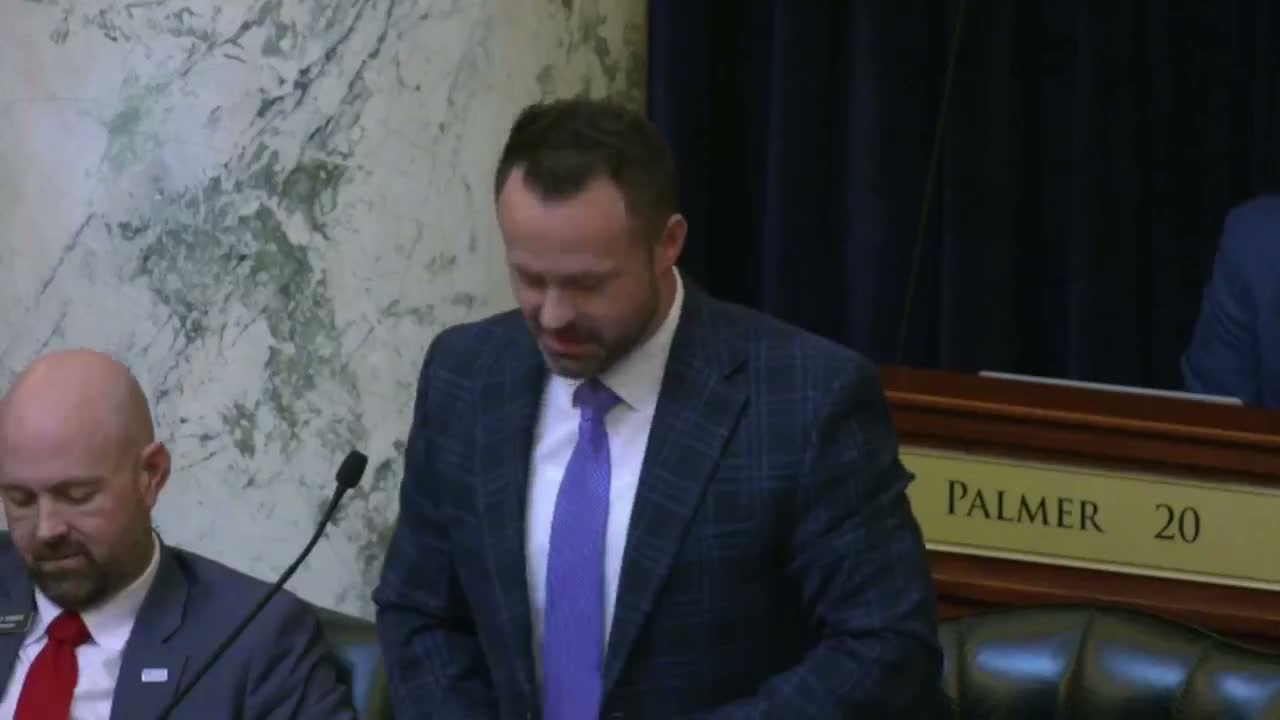
House approves bill targeting social‑media 'addiction,' creates private civil remedy
Summary
The Idaho House passed House Bill 542, which sponsors described as targeting addictive design by requiring age authentication and parental control for minors’ social‑media accounts; lawmakers debated whether enforcement should be handled by private lawsuits or the attorney general before the measure passed and will be sent to the Senate.
The Idaho House on Feb. 9 passed House Bill 542, a measure backers said is aimed at curbing design features they described as addictive to children by requiring platforms to authenticate age and give parents control over under‑25 users.
Supporters framed the bill as a narrow, constitutionally focused response to platform design rather than content regulation. The bill sponsor said the measure “goes after addiction, not content,” and would require platforms to authenticate users’ ages and place parents ‘‘in the driver’s seat’’ for children on social media.
Opponents raised concerns about enforcement. One member argued on the floor that enforcement should rest with the attorney general for a public‑benefit enforcement model: “Public benefit, then the public should be enforcing this through the attorney general’s office,” the lawmaker said. Supporters replied that civil causes of action are an established state enforcement tool and pointed to prior Idaho legislation that used a civil remedy.
Debate on the House floor also touched on constitutional risk and statutory design: the sponsor said the bill was crafted to regulate addictive practices rather than speech to reduce First Amendment exposure. Members trading floor remarks referenced federal and state precedents in briefs and committee materials presented before the House.
The House recorded passage of HB 542 and the bill will be transmitted to the Senate for further consideration. The record does not show a detailed amendment list on the floor; the sponsor indicated intent to limit remedies to civil enforcement and not criminal penalties.
What happens next: HB 542 goes to the Senate for committee assignment and any further amendments or hearings there.