Get Full Government Meeting Transcripts, Videos, & Alerts Forever!
Get email alerts on the Public Records Hiring topic
No spam. Unsubscribe anytime.
House approves change to naming of finalists in nonclassified hires, creates sole‑finalist process for university searches
Summary
The Idaho House passed Senate Bill 1225 as amended, allowing only a sole finalist to be publicly named in certain nonclassified hiring searches, codifying a search process for university presidents and requiring a 10‑day public comment window before final appointment.
The Idaho House on Feb. 11 passed Senate Bill 12 25 (as amended), a measure that changes public‑records practice for nonclassified hires by permitting the public naming of a sole finalist rather than a list of five and by codifying a search process for university presidents that includes a 10‑day public comment period before a final hiring decision.
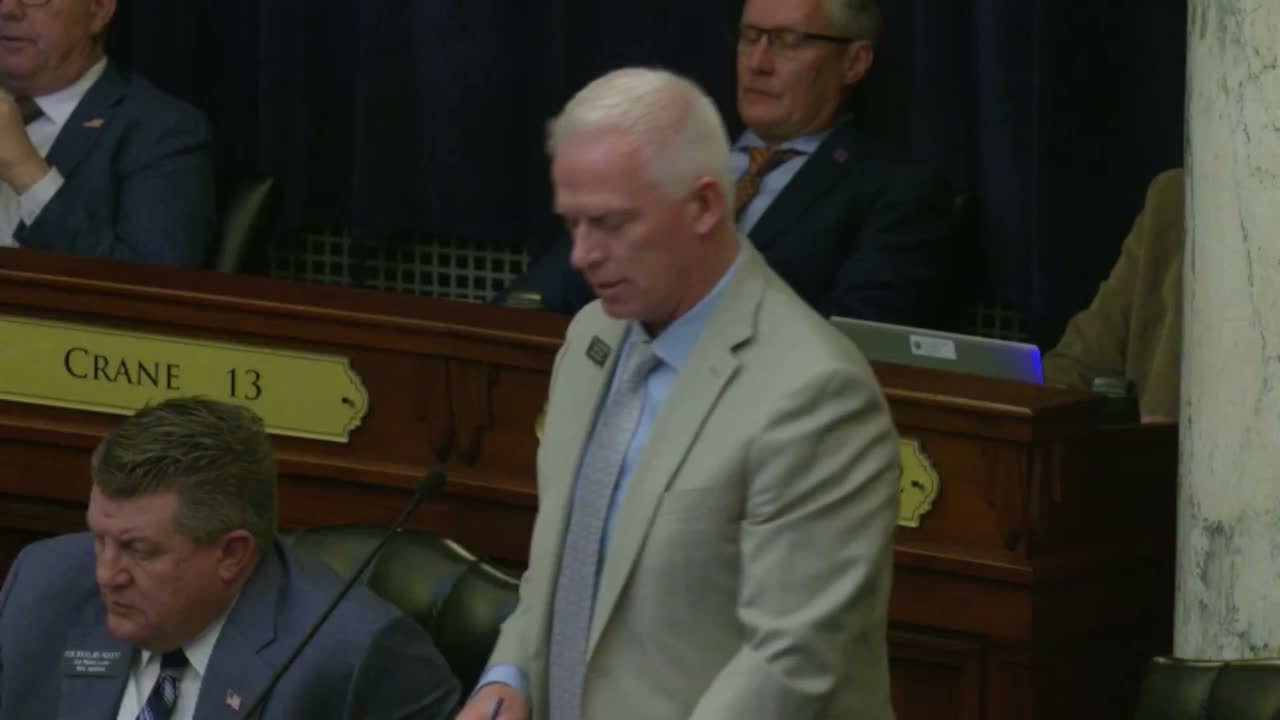
The bill’s sponsor told the chamber the change is aimed at preventing deterrence of qualified applicants in high‑profile searches such as for a university president, where being publicly listed as one of five finalists can expose an applicant to risks at their current job while offering only a small chance of selection. “For somebody who is applying for one of these really high‑profile jobs…if somebody puts their name forward and is selected as a finalist, they are telling their current employer that they are actively looking for new employment,” the sponsor said on the floor, arguing that naming a sole finalist reduces that disincentive while preserving public oversight.
The bill also directs that a sole finalist’s name be publicly available for at least 10 days before the final decision to allow public input, and it establishes a codified search committee and periodic public updates to keep the process transparent. The sponsor said the change retains a public check while protecting applicants’ employment privacy. He noted the measure came out of the Senate on a 34–0 vote.
Debate on the floor closed and the House recorded the bill as passed. The transcript records the House vote as 67 ayes, 1 nay and 2 excused. The bill’s title was approved and it will be transmitted back to the Senate.
Why it matters: The change alters how staffing searches for high‑visibility state positions are handled, balancing candidate privacy with public transparency. University communities and boards that run executive searches will need to adapt to the new statutory process if the change becomes law.
Provenance: This article is drawn from floor debate and the roll call recorded in the transcript between SEG 291 and SEG 388, including the sponsor’s explanatory remarks and the clerk’s reading of the vote.