Get Full Government Meeting Transcripts, Videos, & Alerts Forever!
Get email alerts on the Digital Currency topic
No spam. Unsubscribe anytime.
Idaho House adopts bill defining programmable money and barring discriminatory denials
Summary
House Bill 7-50, the Consumer Payment Rights and Transparency Act, passed the Idaho House on March 10, defining 'programmable money', establishing consumer protections (including non-programmable alternatives) and prohibiting transaction denials based on political views, medical history or race.
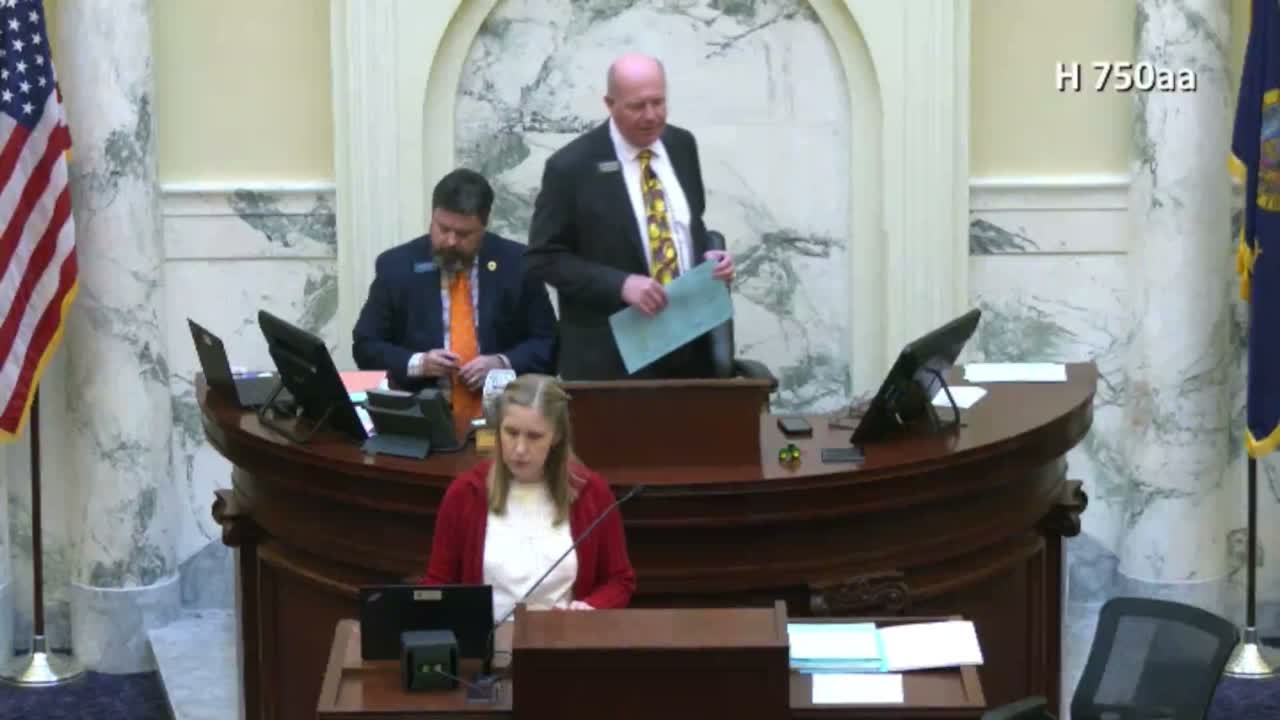
The Idaho House passed House Bill 7-50 on March 10, creating a statutory definition and consumer-protection framework for so‑called "programmable money." Sponsors described the measure as anticipatory legislation to set guardrails for emerging financial technologies.
Key provisions: The bill defines "programmable money," excludes ordinary electronic payment systems that merely transfer non-programmable legal tender, and provides that issuers may not require use of programmable money without offering a non‑programmable alternative. The text prohibits denying transactions for reasons including political opinion, medical history or race, establishes notice and appeal processes, and provides civil and criminal remedies for unlawful practices.
Sponsor context and support: The sponsor said the bill was developed with model-drafting input and collaboration; a cosponsor mentioned work with an external expert (named in remarks). Lawmakers emphasized the aim is not to outlaw programmable money but to protect consumers and preserve transaction alternatives. A machine of questions on scope, applicability to cryptocurrencies and criminal‑offense exceptions was discussed; sponsors clarified the bill exempts blocking transactions where criminal activity is suspected.
Passage and next steps: After floor debate and questions, the House passed the bill; the measure will be enrolled and transmitted to the Senate. Implementation will involve state agencies and may prompt further rulemaking or guidance as technology develops.