Get Full Government Meeting Transcripts, Videos, & Alerts Forever!
Get email alerts on the State Budget topic
No spam. Unsubscribe anytime.
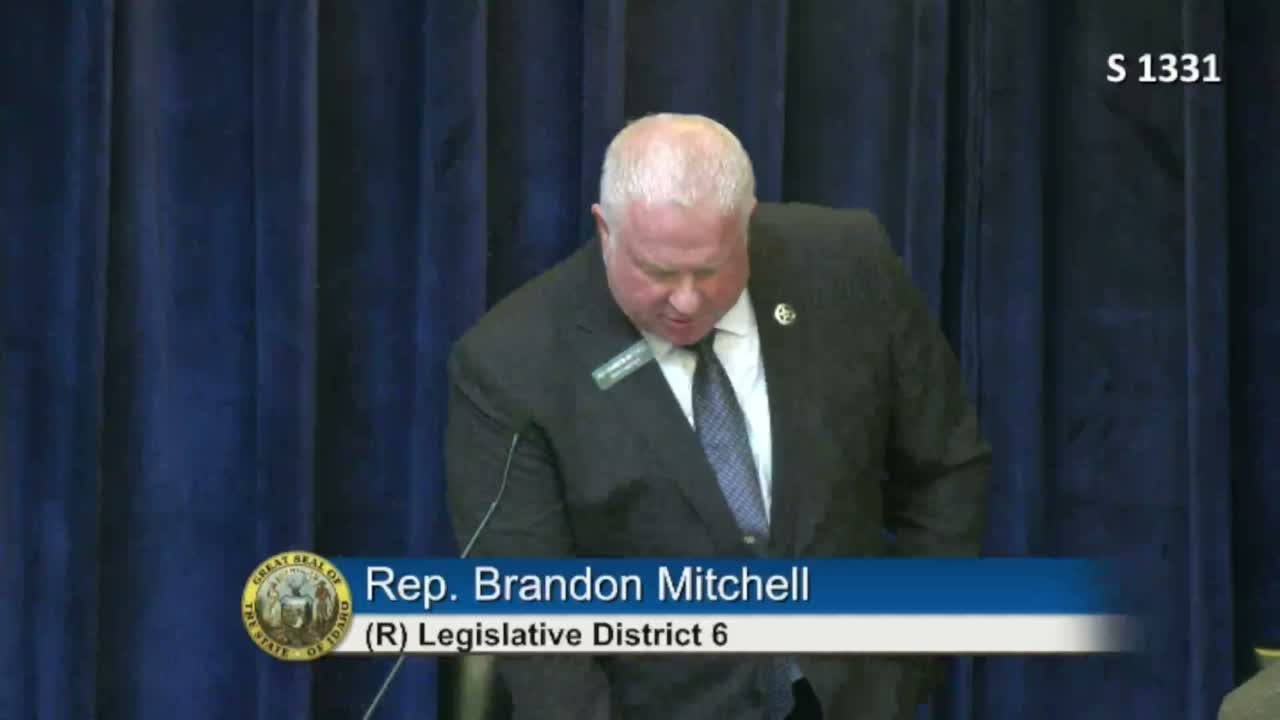
House passes Senate Bill 13-31 after lengthy debate over statewide rescission and transparency
Summary
After extended floor debate on the scope, process and impacts of a 2026 rescission bill, the House passed Senate Bill 13-31. Proponents described it as a necessary structural correction; opponents warned cuts would fall on vulnerable programs and questioned transparency and single-subject concerns.
The Idaho House on March 6 passed Senate Bill 13-31, a major rescission bill that sets a baseline of reductions intended to help balance the FY2026 budget.
Sponsor remarks described the bill as a fiscal strategy to preserve a structurally balanced budget, citing a proposed $192 million in rescissions and the need for the state to “live within its means.” The sponsor said departments had been consulted and that the Joint Finance-Appropriations Committee (JFAC) planned targeted add-backs and supplemental actions to restore priority items.
Several members opposed the measure on process and substance. One lawmaker cited Idaho Supreme Court precedent and single-subject concerns, arguing the bill’s six-line title and the breadth of changes could create legal risk. Another member warned that cuts would hit vulnerable programs, citing the termination of the ACT crisis mental-health program and reporting three deaths connected to the recent elimination of that service.
JFAC members and other supporters described a two-step process: pass a baseline rescission now and address maintenance and enhancement budgets in forthcoming bills and supplemental packages. Proponents said some high-priority items—behavioral-health programs, community college and career-technical education funding, and juvenile corrections—had been identified for restoration through subsequent actions.
After floor debate and multiple questions, the House recorded its vote and passed the bill. The sponsor and JFAC members emphasized that enhancements and supplements would be considered to mitigate the most acute programmatic impacts.
The transcript records a long, multi-hour floor debate on constitutional process, budget math, and tradeoffs across agencies and services. Lawmakers on both sides asked for further detail and for assurances that the most critical services would be restored through enhancement or supplemental measures; proponents said that work was ongoing in JFAC.