Get Full Government Meeting Transcripts, Videos, & Alerts Forever!
Get email alerts on the Parole Commission topic
No spam. Unsubscribe anytime.
Idaho Pardons and Parole commission faces turnover, unpaid workload and retention questions
Summary
Executive Director Christine Starr told lawmakers that part‑time commissioners face heavy unpaid workloads—23 hearings can generate about 40 pages per case and roughly 26 hours of prep—leading to turnover; commissioners are paid $300 per day and have had no pay increase since 2017.
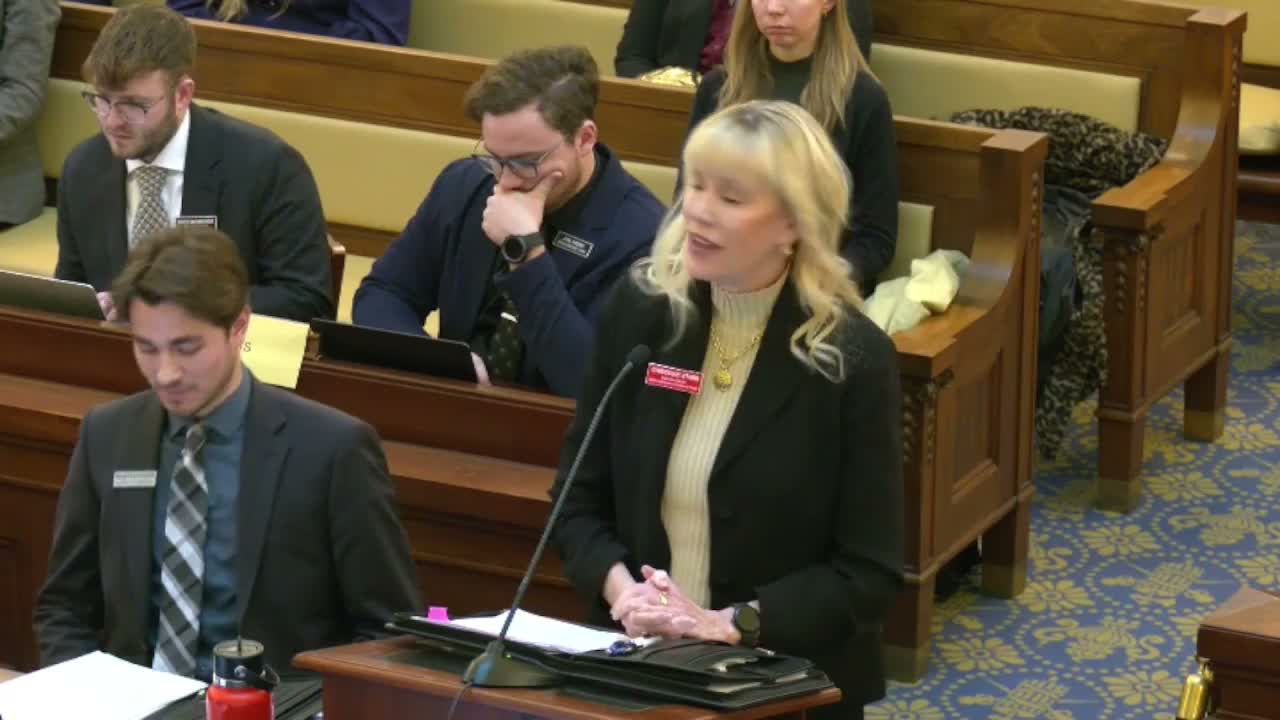
Christine Starr, executive director of the Commission on Pardons and Parole, told the joint appropriations committee that the part‑time commission is carrying a near full‑time workload and that pay and unpaid preparation time are driving attrition. "When you look at an average of 23 cases that they'll have on a hearing day... if you look at an average reading time of 1.7 minutes per page, they end up putting about 26 hours of prep time into 23 hearings," Starr said, and she noted four commissioners have left the past year with another planned departure in March.
Starr urged the committee to consider compensation and support changes, noting commissioners are paid $300 per day and have not had a pay increase since 2017. Senators and representatives on the committee expressed concern that losing experienced commissioners undermines review quality for parole and pardon decisions and asked for comparative models from other states; Starr said she could provide national comparisons and other follow‑up information.
Why it matters: commissioners make consequential release and supervision decisions; sustained vacancies and unpaid prep work may reduce the quality and timeliness of parole reviews, with downstream effects on reintegration and public safety.