Lifetime Citizen Portal Access — AI Briefings, Alerts & Unlimited Follows
Joint finance committee hears Medicaid budget: $45.8M supplemental, MMIS procurement, estate‑recovery backlog debated
Loading...
Summary
The joint Senate‑House finance committee reviewed the Department of Health and Welfare’s Medicaid budget, including a $45.8 million FY2026 supplemental request, a $235.3 million ongoing FY2027 population‑forecast increase, a year‑four MMIS procurement ask, a $2.5 million estate‑recovery case management request and increased program‑integrity contracting. Lawmakers probed FMAP, enrollment trends and access risks.
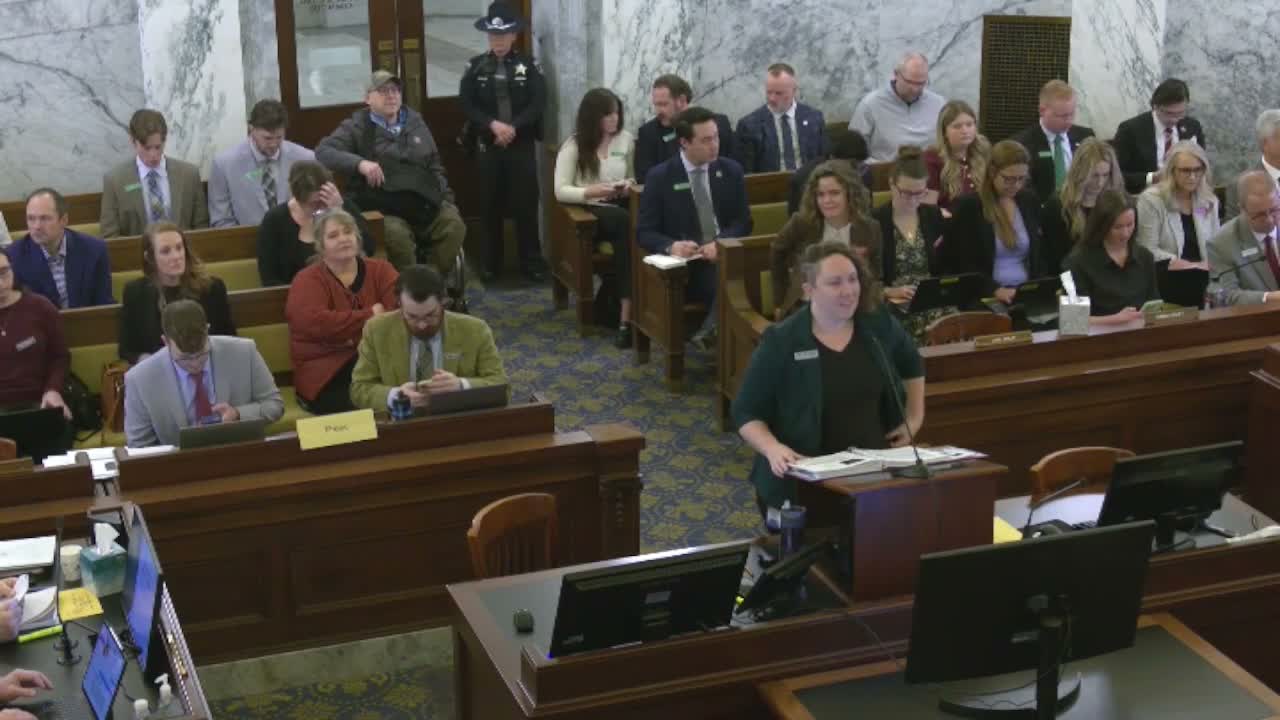
The Joint Finance‑Appropriations Committee on Monday heard a two‑hour presentation and extended questioning on Idaho Medicaid’s budget and line‑item requests, including a governor‑recommended $45.8 million supplemental for fiscal 2026 and a $235.3 million ongoing population‑forecast adjustment for fiscal 2027.
Alex Williamson, budget and policy analyst for Legislative Services, told the committee the Division of Medicaid’s FY2025 appropriation exceeded $5.13 billion and that about 98% of Medicaid spending is for benefit payments. "Of the $5,130,000,000 available to the division in fiscal year 2025, they expended 95% of that," Williamson said, and walked the committee through plan‑level expenditures and a five‑year appropriation‑to‑expenditure history.
Why the supplemental and the FY2027 increase are so large was the central focus of lawmakers’ questions. Williamson described three supplemental requests for 2026 — alignment of the hospital assessment fund tied to House Bill 345, claims payment adjustments and an updated forecast — and said the governor’s recommendation nets to a $45.8 million supplemental after a 4% provider‑rate adjustment. She explained the HB345 alignment moves roughly $349.7 million from federal to a dedicated hospital assessment fund to match how the federal match must be deposited.
Deputy Director Sasha O’Connell, the state Medicaid administrator, joined the hearing to answer implementation questions. On the estate‑recovery request — an ongoing $2,496,600 line item split between dedicated receipts and federal funds — O’Connell said the department has recovered about $20.4 million per fiscal year since 2021 but currently faces "a backlog of about 20,000 cases they could be pursuing, but they lack the staff to keep up." O’Connell said the requested funds would pay for a case‑management system and contractor support; the department told members contractors are typically paid based on collections and that it will provide quarterly reporting on recovery and spending if the committee requests it.
Members pressed the department on the Medicaid expansion population, FMAP and provider‑rate policy. Williamson said the expansion population fell from roughly 100,000 to about 89,000 as the public‑health emergency unwound, while the department and analysts noted per‑member costs and utilization patterns — not solely enrollment — are driving much of recent spending growth. Williamson gave a blended FMAP range and said the federal match for the expansion population remains high (roughly 90% for expansion, the department said) while standard FMAPs are materially lower.
O’Connell described several policy and operational changes that will affect expansion costs and enrollment: new work and community‑engagement requirements, an increase in redeterminations (from annual to twice yearly for expansion), and higher allowable cost‑sharing where federal rules permit. "Work requirements are the law of the land now and we will implement those next year," she said, noting the department is coordinating with CMS on timing and rules.
Lawmakers also questioned the department about information‑technology and program‑integrity investments. The MMIS (Medicaid Management Information System) replacement is a five‑year project; Williamson said the state has set aside roughly $18.6 million in general funds previously to seed an MMIS dedicated fund and that year‑four federal match and dedicated fund spending are requested this cycle. On program integrity, the department requested $935,000 in dedicated/federal funds to purchase roughly 5,500 contractor hours to augment a ~16‑person integrity team focused on specialized audits and recoupment work.
Multiple committee members urged the department to explore artificial‑intelligence tools for fraud‑detection and case‑prioritization. Senator Cook told O’Connell: "AI can do that and flag it," and asked whether investments in AI could reduce contracting costs; O’Connell said the department is studying responsible AI use and must ensure protected health information is guarded, but that AI opportunities exist in claims‑data anomaly detection and triage.
Members also raised access concerns tied to recent provider‑rate changes and the Department of Justice letter alleging disproportionate institutionalization of people with physical disabilities. O’Connell said the department held certain home‑and‑community‑based provider groups harmless for the recent rate reductions to avoid access problems, and that the agency is developing an access‑monitoring report and other tools to track provider availability and downstream effects.
The hearing closed after committee members requested follow‑up on several items, including: details on MMIS milestones and vendor billing, a split of estate‑recovery software versus contractor costs, projections or ROI for program‑integrity work, the time horizon for the estate‑recovery backlog, and a breakdown of which costs are general‑fund versus federal. O’Connell and Williamson committed to providing those follow‑ups to committee staff.
The committee recessed for a brief break during the hearing and adjourned at the close with instructions for work groups to start meeting Monday on subitems of the budget.
The committee did not take formal votes during this hearing; next steps include staff follow‑up on the department’s requests and legislation options identified in the governor’s recommendation.