Get Full Government Meeting Transcripts, Videos, & Alerts Forever!
Get email alerts on the Health And Welfare topic
No spam. Unsubscribe anytime.
Health and Welfare budget hearing spotlights vacancies, IT consolidation and $925 million federal rural health award
Summary
Budget analysts and department leaders told JFAC that Health and Welfare has carried about an 8% vacancy rate, reverted 30.87 positions during a review, plans to shift 58 IT positions to a central OIT unit and is preparing to implement an approximately $925 million CMS rural health transformation award with requested positions and one-time operating funds.
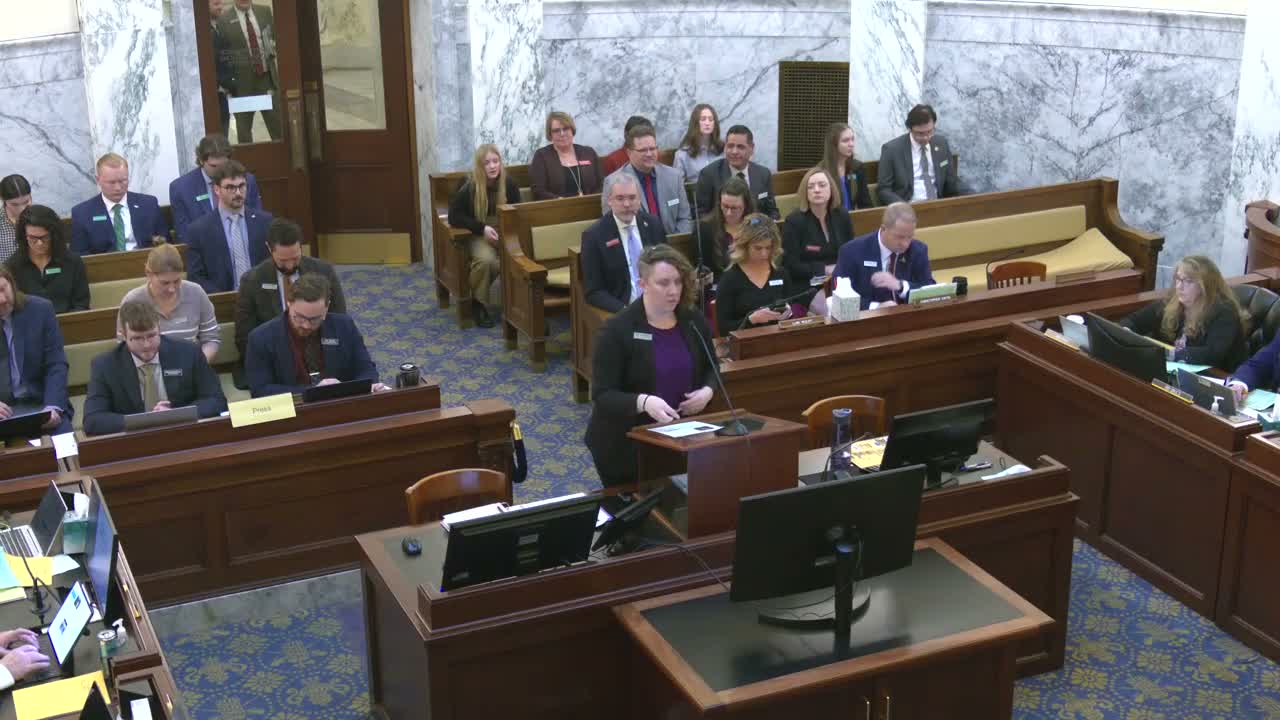
Alex Williamson, a budget and policy analyst with Legislative Services, opened the Department of Health and Welfare's division-level deep dive by describing the department's organizational structure, five-year spending history and staffing levels. "The Department of Health and Welfare is currently authorized 3,029.64 FTP. As of the November, there were 252 vacant positions," she said, noting an approximate 8% vacancy rate and that detailed division slides would follow.
Michael Pearson, deputy director of operations for the agency, introduced senior staff and said Director Sharon (not present) sent apologies. Pearson and agency staff answered committee questions on vacancies and grant implementation.
Misty Lawrence, the department's chief financial officer, described an 18-month review of positions and funding that included temporary hiring freezes and reallocation of FTP and spending authority. "We reverted a total of 30.87 positions that we'll be giving back in this budget," she said, and added that the department identified roughly $5.6 million in federal fund personnel authority that lacked the general-fund match needed to draw the federal dollars.
On IT centralization, Williamson described a planned transfer of 58 FTP from Health and Welfare to the Office of Information Technology as part of a statewide modernization effort; the transition includes a one-time operating request and net set-up costs she said would total about $524,900. Alberto Gonzales, ITS administrator, described the move as a transfer that carries one-time licensing, equipment and training costs rather than an ongoing increase: "It's a straight transfer of personnel dollars coming over, and the money that we're talking about ... generally covers a lot of the licensing, a lot of the equipment, a lot of the training," he said.
Williamson also briefed the committee on the Rural Health Transformation Program award from the Centers for Medicare and Medicaid Services. She said Idaho's initial award equates to about $185.9 million in the first year and that the program's structure amounts to approximately $925 million available across five years. The governor's recommendation includes one-time and ongoing personnel and operating dollars to begin implementation; the committee learned a legislative task force will advise on allocation and oversight.
Committee members asked for more granular information: lists of subgrants and claims payments that flow through the department, details on vacancy causes and hiring timelines, and the reports the department has submitted to the legislature on foster-care metrics and behavioral-health FTP changes. Williamson and agency officials said follow-up materials and deeper division-level hearings (including a Medicaid session scheduled next week) will provide the requested detail.
The hearing ended with members thanking staff and scheduling follow-up sessions; no committee votes were recorded during the presentation.