Get Full Government Meeting Transcripts, Videos, & Alerts Forever!
Get email alerts on the Gun Policy topic
No spam. Unsubscribe anytime.
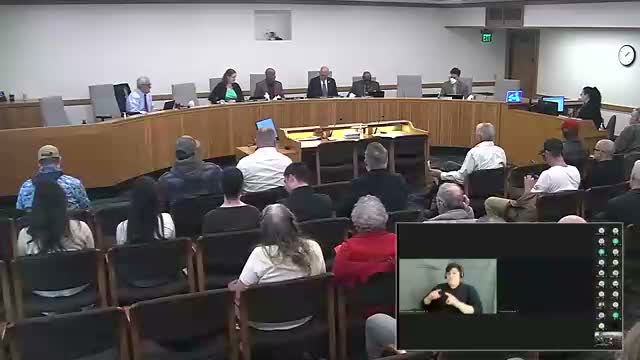
Senate committee hears hours of mixed testimony on HB 41 45, a Measure 114 implementation bill
Summary
A public hearing on House Bill 41 45 drew dozens of in‑person and online witnesses. Supporters called the bill a necessary technical fix to implement Ballot Measure 114; opponents warned it would raise fees, delay access to firearms and concentrate venue for lawsuits in Marion County.
The Senate committee opened a public hearing on House Bill 41 45, a bill that the sponsors say clarifies and delays parts of Ballot Measure 114’s implementation while opponents said it will burden law‑abiding Oregonians.
Supporters, including State Senator Lisa Reynolds, said the bill provides needed operational time, funding and technical fixes to implement the 2022 voter‑passed measure. "We need increased time to prepare, increased fees to run this system, a permit to purchase system, which we know will save lives," Reynolds said. Legislative staff described the bill as delaying the permit‑to‑purchase requirement to Jan. 1, 2028 and the large‑capacity‑magazine prohibitions to Jan. 1, 2027 while modifying eligibility, background‑check procedures, record retention and fees.
Opponents — including senators, retired law‑enforcement officers and multiple survivors of gun violence — focused on constitutional and practical objections. Senator Mike McLean urged leaving Measure 114 to the courts and singled out a provision he called offensive: "Section 18…requires any litigation over this house bill be done in Marion County," he said, arguing it inappropriately constrains local jurisdictions. Nicole Chasen, a survivor of domestic violence, testified that the bill’s extended timelines and higher fees could endanger people fleeing abusive situations: "Waiting an extra month or paying hundreds more could be the difference between life and death."
Witnesses offered competing evidence about the will of voters and public testimony: one attendee cited portal counts of written testimony (reported in the hearing as about 480 in support and 1,729 in opposition at the time). Other testimony urged focusing resources on mental‑health and substance‑use treatment rather than additional firearm restrictions.
The hearing included many personal accounts. Proponents emphasized privacy protections for permit applicants and the need to close the so‑called Charleston loophole; opponents argued the bill centralizes power, raises costs (initial permit fee described in testimony as increasing from $65 to $150, with renewals up to $110) and would not keep guns out of criminal hands.
The chair closed the public hearing after hearing the scheduled speakers and moved to the next item on the agenda. No committee vote on HB 41 45 was taken during this hearing.