Get Full Government Meeting Transcripts, Videos, & Alerts Forever!
Bill to require transparency about real parties in civil assignments wins unanimous committee support
Summary
SB 932 would require clearer identification of the real party in interest in civil proceeding filings to prevent collection through shell entities. Supporters including the Conference of California Bar Associations called the bill narrow and practical; wildfire survivor advocates asked for stronger disclosure in complex litigation. The committee advanced the bill on the consent calendar.
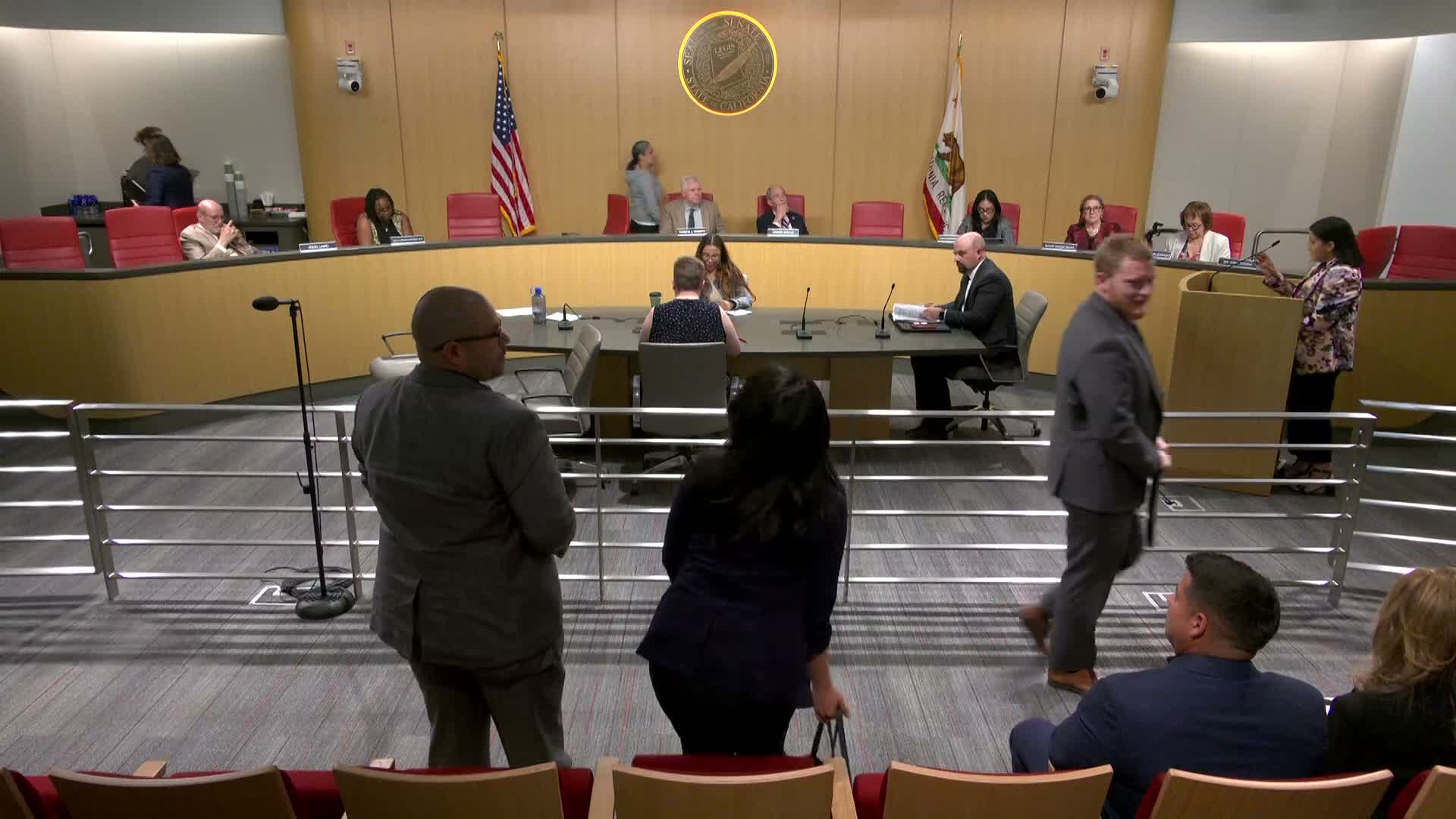
Sen. Taro presented SB 932 to the Senate Judiciary subcommittee as a narrowly drawn bill requiring identification of the original real party in interest in civil proceedings.
The sponsor argued the measure would close a gap that allows some plaintiffs or claimants to hide behind layers of assignments and shell companies, making it difficult for victims, creditors, and government agencies to identify who…
Already have an account? Log in
Subscribe to keep reading
Unlock the rest of this article — and every article on Citizen Portal.
- Unlimited articles
- AI-powered breakdowns of topics, speakers, decisions, and budgets
- Instant alerts when your location has a new meeting
- Follow topics and more locations
- 1,000 AI Insights / month, plus AI Chat