Get Full Government Meeting Transcripts, Videos, & Alerts Forever!
Get email alerts on the Pension Funding topic
No spam. Unsubscribe anytime.
Oro Valley staff: pension funding back to health after bond, but debt remains
Summary
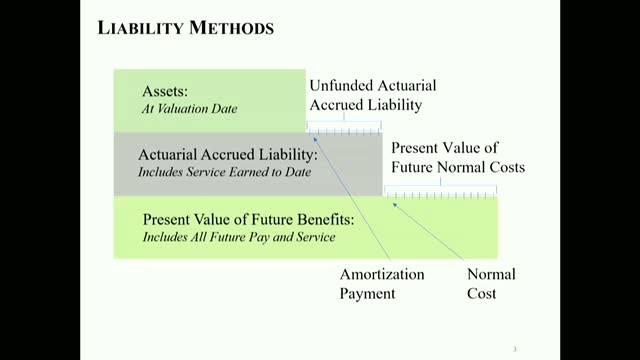
Town staff told the Budget & Finance Commission that a combination of a $10 million reserve payment and $17.6 million in pension obligation bonds helped restore the town's public‑safety pension to about a 101% funded ratio as of 6/30/2025; the town still carries roughly $15.12 million in bond debt repayable by 2039.
Chair Charles Carlsberg convened the Budget & Finance Commission on Feb. 17, 2026, where staff presented an update on the town's public safety pension and pension funding policy. Finance staff said the town's actuarial valuation as of June 30, 2025 showed an actuarial asset and a funded ratio of about 101%, reducing previous pension shortfalls.
The staff liaison, Mr. Gephardt, told commissioners the town used two main steps to arrest liability growth: “we took $10,000,000 out of our reserves and $17,600,000 in pension obligation bonds,” and those actions—combined with recent excess pension payments and strong investment returns—helped restore the plan. He said the employer contribution rate for the next fiscal year is about 10.47% and that the town still owes roughly $15,120,000 on the pension obligation bonds, with payoff expected by 2039.
Why this matters: public‑safety pensions affect employer contribution rates and long‑term town budgets. If investment returns or actuarial assumptions change, employer rates and town costs can rise. Gephardt pointed to a recent PSPRS (Public Safety Personnel Retirement System) actuarial change that reduced a payroll growth assumption from 1.5% to 0.75% and noted the system's assumed earnings rate (about 7.2%) as a central risk.
During follow‑up questions, commissioners probed legislative risk and the impact of negotiated pay increases. Gephardt said state legislative action on tier structure (tiers 1–3) is on staff's radar and that for certain tier changes state law can require real‑time catch‑up funding for employers. Senior budget analyst Chris Hutchison and staff said the town performs quarterly forecasts and makes additional excess pension payments when feasible to limit amortization pressure.
The commission did not take formal action on a pension policy at the meeting; staff said a draft pension funding policy will be returned to the commission for review at the next meeting ahead of any recommendation to council.