Get Full Government Meeting Transcripts, Videos, & Alerts Forever!
Get email alerts on the Labor Union Funding topic
No spam. Unsubscribe anytime.
House approves ban on using taxpayer funds for union activities, sparking debate over scope
Summary
The Idaho House passed House Bill 7-45 to bar taxpayer dollars from funding union activities such as payroll-deducted dues and paid union leave, prompting debate over exemptions for police and fire, the law’s placement in code, and effects on school districts.
The Idaho House on March 3 approved House Bill 7-45, a measure that prohibits state and local taxpayer funds from being used to support union activities, sponsors and opponents said on the floor.
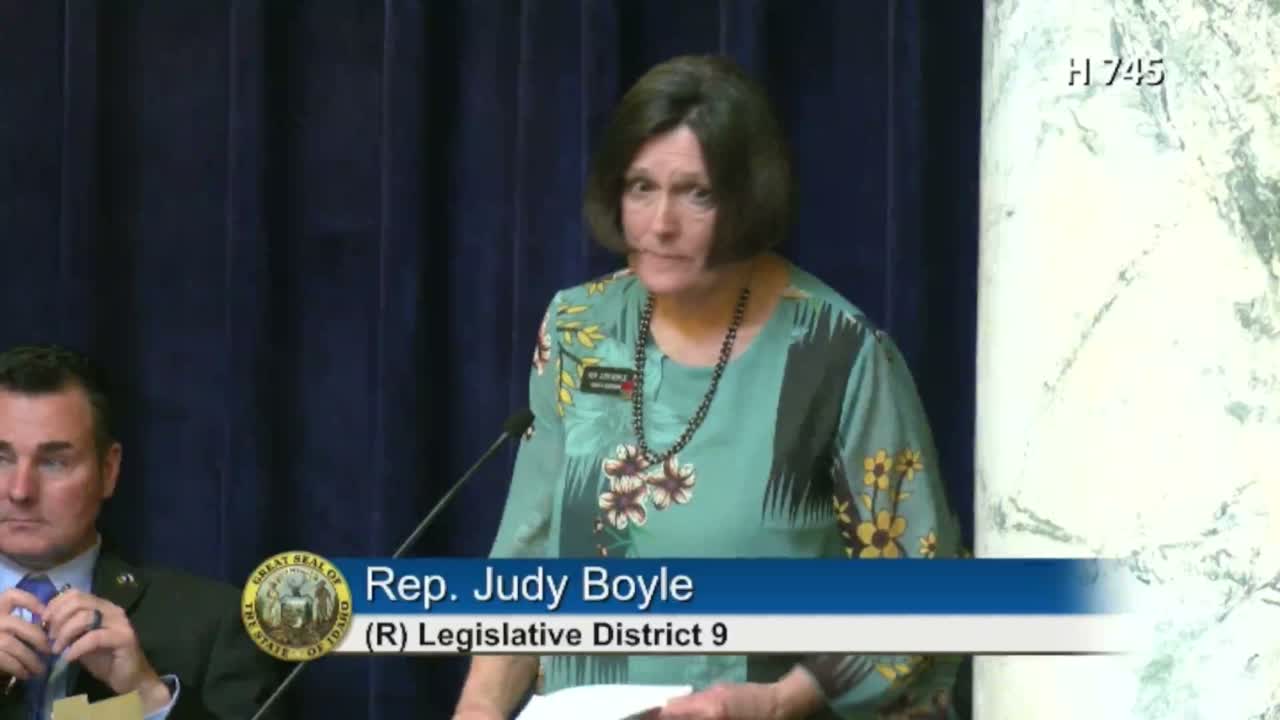
Sponsor (a lawmaker on the floor) told colleagues the bill “does not prevent people from joining unions” but prevents taxpayers from paying for union activity and criticized the use of public funds for union business. She said the bill targets deductions and paid leave used for union purposes and cited an estimate that about $1.2 million flows to union activities from public-school budgets.
Supporters framed the bill as protecting taxpayer dollars and preserving voluntary association. “Taxpayer dollars belong in the schools for the children, for the purpose of learning, not for the association,” one backer said.
Opponents warned the bill disproportionately targets teachers’ associations while exempting police and firefighters, creating legal and policy questions about uneven application. A member who identified herself as a dues-paying teacher association member said the bill would hamper services such as in-building mediation and grievance assistance that unions provide to school districts. Another lawmaker noted concern about placing the provision in a particular section of code for labor while explicitly exempting public safety unions, calling that a potential liability.
Lawmakers debated penalties and enforcement; sponsors said the attorney general or county prosecutors would pursue violations and the bill includes tiered civil penalties for knowing violations. Questions from the floor focused on which public employees and local government unions would be affected and how school districts would implement the change.
The House put the question and the bill passed. The bill will be transmitted to the Senate.
The House debate closed with members exchanged questions about whether the bill would unduly burden certain districts and whether it achieves its stated objective of protecting classroom funds.
The House approved the measure and sent it to the Senate for further consideration.