Lifetime Citizen Portal Access — AI Briefings, Alerts & Unlimited Follows
Department of Lands warns budget holdbacks could leave regions understaffed for fire season
Loading...
Summary
Idaho Department of Lands Director Dustin Miller told JFAC that recent holdbacks and funding shifts risk under-staffing critical fire districts; he reported a net fire obligation of just over $40 million for 2025 and described a fund shift of 1.25 FTP and $160,000 from the Abandoned Mine Lands fund to the Navigable Waterways Fund.
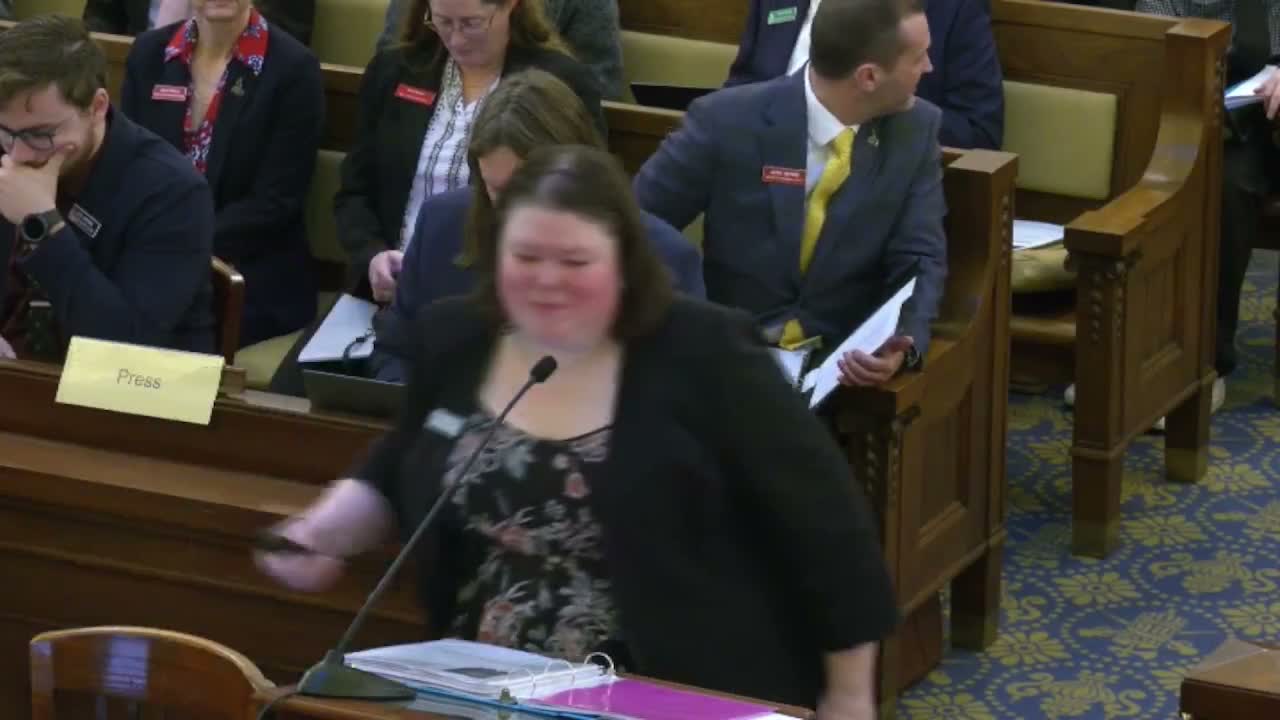
Dustin Miller, director of the Idaho Department of Lands, told the Joint Finance-Appropriations Committee that the department’s endowment mission supports timber sales and other revenue streams across 2.5 million acres of trust lands. He said 2025 produced a record year for endowment income and that the department sells roughly a third of the state's timber volume.
Miller gave the committee a short assessment of the 2025 fire year: the department recorded about 400 ignitions — roughly 135% of the 20-year average — but kept acres burned to approximately 5,000 (about 20% of the three-year average). "Our net obligation for 2025 is just over $40,000,000," he said, and he thanked the legislature for last session’s one-time $40 million supplemental into the deficiency account.
Janet Jessup (Legislative Services) had earlier described the Fire Suppression Deficiency Fund as a continuously appropriated account that is legally structured to be able to go into the negative to ensure the department can respond during active incidents. Jessup told members the FY26 ending balance recently sat at about $2,800,000 after reimbursements and noted that suppression expenditures in a given year have ranged from roughly $24 million to $76 million over the last decade.
Miller outlined operational and staffing risks if holdbacks continue: he said the Eastern Idaho Forest Protective District — recently reestablished out of Idaho Falls — needs roughly 20 people (a fire warden, two assistants, five engine captains and crews) to operate at planned capacity and that some holdbacks touch the general‑fund portion of shared stewardship programs. "We're concerned about the potential holdbacks," he told the committee, explaining that pay competition from federal agencies complicates hiring for engine captains.
The director also described administrative fund changes: because of last year’s policy changes tied to House Bill 226, the department seeks to move 1.25 FTP and $160,000 from the Abandoned Mine Lands Fund to the Navigable Waterways Fund so affected staff can focus more on permitting and navigable‑waterways work. On revenue options, Miller described House Bill 511, which passed the House and would raise the structure surcharge cap from $40 to up to $100 per structure; if enacted, the land board would later set the actual rate.
Miller said the department is expanding Good Neighbor Authority work with the U.S. Forest Service and is currently selling about 50,000,000 board feet of volume for the Forest Service on national forests, with plans to double that output in the next four to five years; proceeds fund watershed restoration projects to reduce catastrophic wildfire risk.
Committee members asked about the deficiency process (whether a negative balance would require a general‑fund supplemental the next session), reporting that supplemental action historically follows a legislative request. Miller and Jessup said any deficiency warrant transfer would come forward as a supplemental the following session to make the dedicated fund whole for costs through the prior fiscal year.