Get Full Government Meeting Transcripts, Videos, & Alerts Forever!
Get email alerts on the Appropriations Law topic
No spam. Unsubscribe anytime.
Legislative counsel briefs JFAC on subpoena power and appropriation limits
Summary
Legislative Counsel Elizabeth Bowen told JFAC the legislature holds plenary power over appropriations, JFAC has inquisitorial authority (including subpoenas), and the legislature can place binding conditions, limitations and restrictions on appropriations.
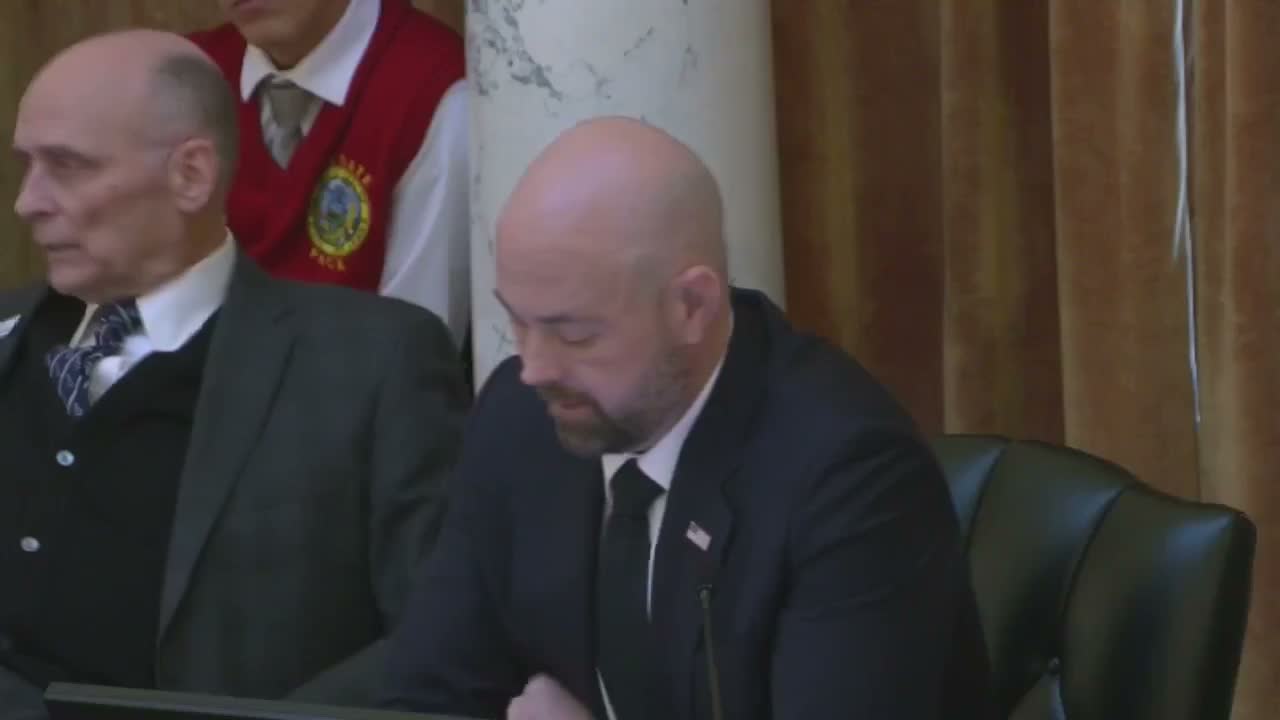
Elizabeth Bowen, legislative counsel with the Legislative Services Office, summarized constitutional and statutory authority that governs appropriations and the Joint Finance‑Appropriations Committee.
Bowen told members that state constitutions and Idaho case law give the legislature plenary power over appropriations and that JFAC has inquisitorial authority under Idaho Code to inspect records, administer oaths and issue subpoenas that can be enforced through district court. She explained that appropriation bills must comply with constitutional requirements (single subject, enacting clause) and that the legislature may include conditions, limitations and restrictions (CLR) on appropriations; those CLR provisions are not subject to the governor’s line‑item veto, Bowen said.
Members asked about subpoena procedure and enforcement; Bowen said the committee can request counsel to draft subpoenas and, if necessary, pursue enforcement through the courts, but added that in practice her office’s involvement and informal requests typically produce cooperation.
Bowen also reviewed statutory budget deadlines (budget requests by Sept. 1; the Division of Financial Management report to the committee by Jan. 15) and explained that appropriations statutes and CLR language are tools the legislature can use both to direct agency priorities and to impose legislative consequences in future appropriations if agencies fail to comply.
The committee did not take action on legal recommendations but acknowledged the utility of counsel in helping secure information if agencies are uncooperative.